We obsess over carbon numbers: 10 kg CO₂e/m² saved here, 25 kg there. But what if the cleanest building isn’t the one with the lowest emissions, but the one that doesn’t demand new materials at all? In the rush to decarbonize, we often treat circularity as a bonus, an extra box to tick after we’ve calculated the carbon. But maybe it’s the other way around. Maybe circularity is the only honest definition of zero carbon. Not a marginal improvement but a systemic shift.
Let’s be clear: Life Cycle Assessments are essential. They’re not just a badge or a number to attach to a certification report, they’re a methodology. One that forces us to look critically at the full supply chain of a building: materials, energy, transport, maintenance, end of life. A good LCA doesn’t just tell you how much carbon you’ve emitted, it tells you where and why. It reveals inefficiencies, highlights hotspots, and supports better decisions like choosing local over imported, reused over new, passive over mechanical. But while LCAs illuminate the carbon story, they still measure emissions from within the system we’re trying to change. Circularity is about redesigning that system entirely.
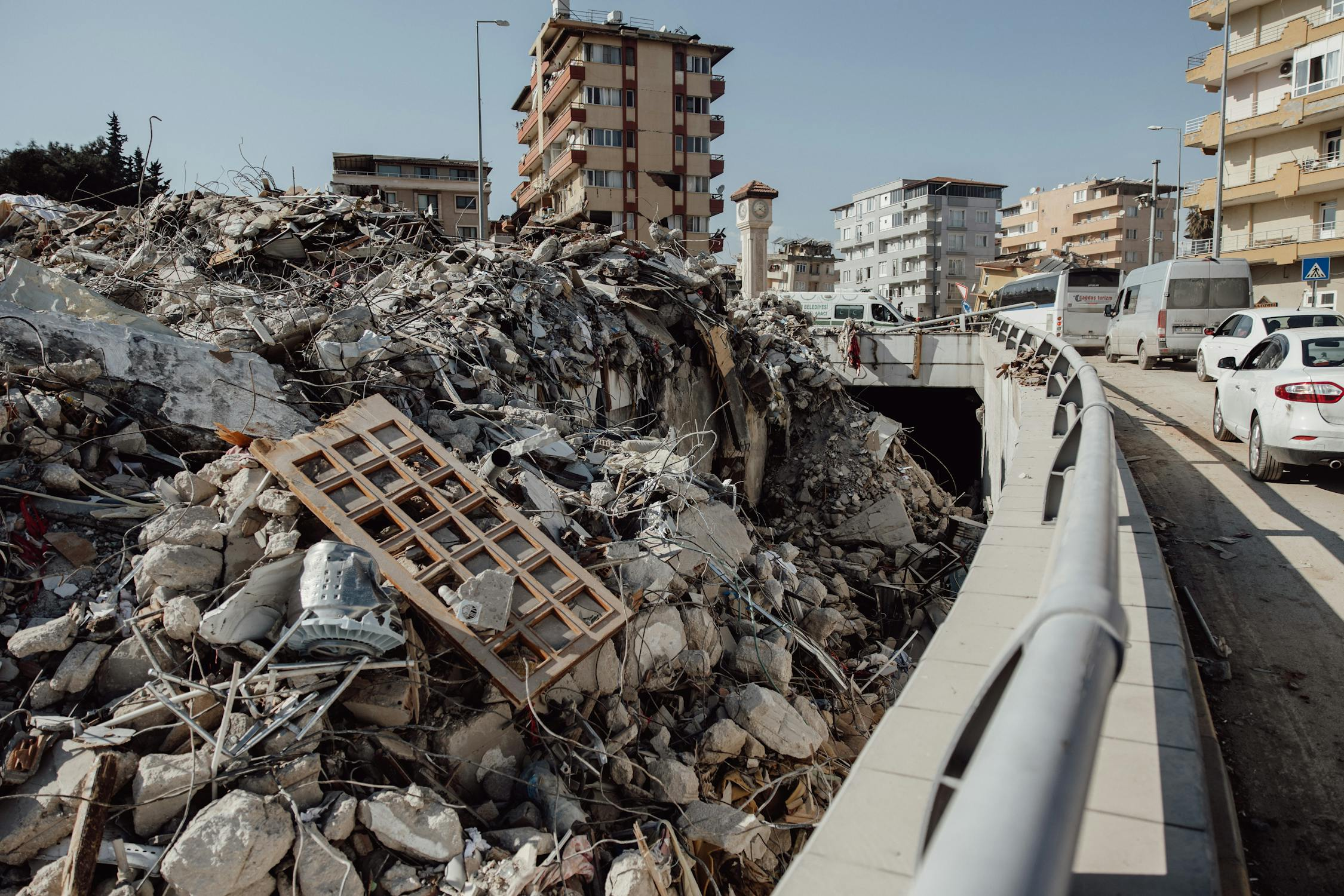
Carbon savings will always be relative: 20% less than what? 50% better than what? But a building that avoids extraction altogether, that reuses structure, repurposes components, reintroduces materials into future projects, … that’s not relative. That’s absolute reduction. Circularity is not about perfection, it’s about interruption. It’s about refusing to participate in the linear chain of extract, manufacture, discard. When you reuse materials, you’re not just saving carbon, but rather stopping the machine that would have generated those emissions in the first place.
As mentioned, an LCA gives you visibility, but we need to complement it with circularity indicators that reveal how much of your building is part of a longer material story. Some examples:
- % of reused materials (structure, facade, finishes)
- % of recyclable or disassemblable materials (designed for future recovery)
- Number of take-back agreements with suppliers or manufacturers
- Distance travelled by reused components vs. new ones
- % of recycled content in your products (total extraction avoided)
And I don’t mean to add complexity but rather to make a better use of the visibility LCAs already give us, and acting on it.
For those who want to start taking action, my advice would be to ask yourself the obvious:
- Are all of your materials on their first life?
- Are your assemblies reversible or permanently bonded?
- Do your specifications rely on virgin materials by default, or can you demand for recycled products?
- What does the circularity roadmap of your manufacturers look like?
Circular design forces us to design for future dismantling versus traditional demolition. It means changing how we detail, specify, and contract. But it also means opening new design opportunities because reuse isn’t just sustainable, it’s often surprisingly beautiful.

My message is that LCA gives you the map. Circularity gives you a new destination. When used well, LCAs show you where the emissions are and how much of them come from extraction, manufacturing, transport and waste management. That’s the moment to bring in circular thinking: can we avoid any of those steps entirely? And perhaps most importantly, can we design buildings that others can dismantle, reuse, and learn from?
To track your zero-carbon roadmap, review every project with this circular design checklist:
- Will we be able to reuse or recycle anything at the end of life stage?
- Are any systems or assemblies specifically designed for disassembly?
- Have we prioritized low-impact logistics (distance, manufacturing machinery, modularity)?
- Do our specs include take-back programs or reusability commitments?
- Can we document materials for future use by others?
In a carbon-obsessed world, truth is circularity shouldn’t be an afterthought. It’s the quiet, radical proposal hiding in plain sight: to stop needing new things in the first place. Because the lowest carbon building isn’t the one that emits less. It’s the one that doesn’t ask the earth for anything new.