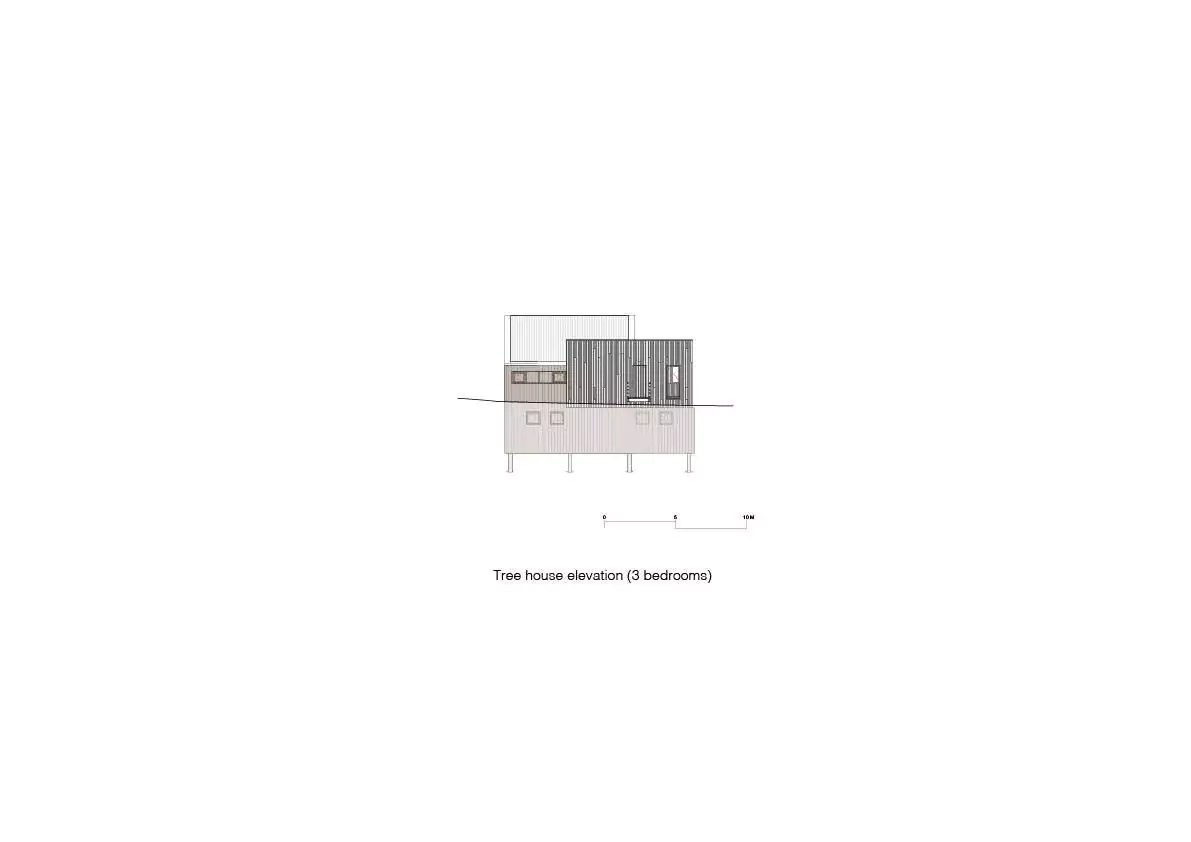
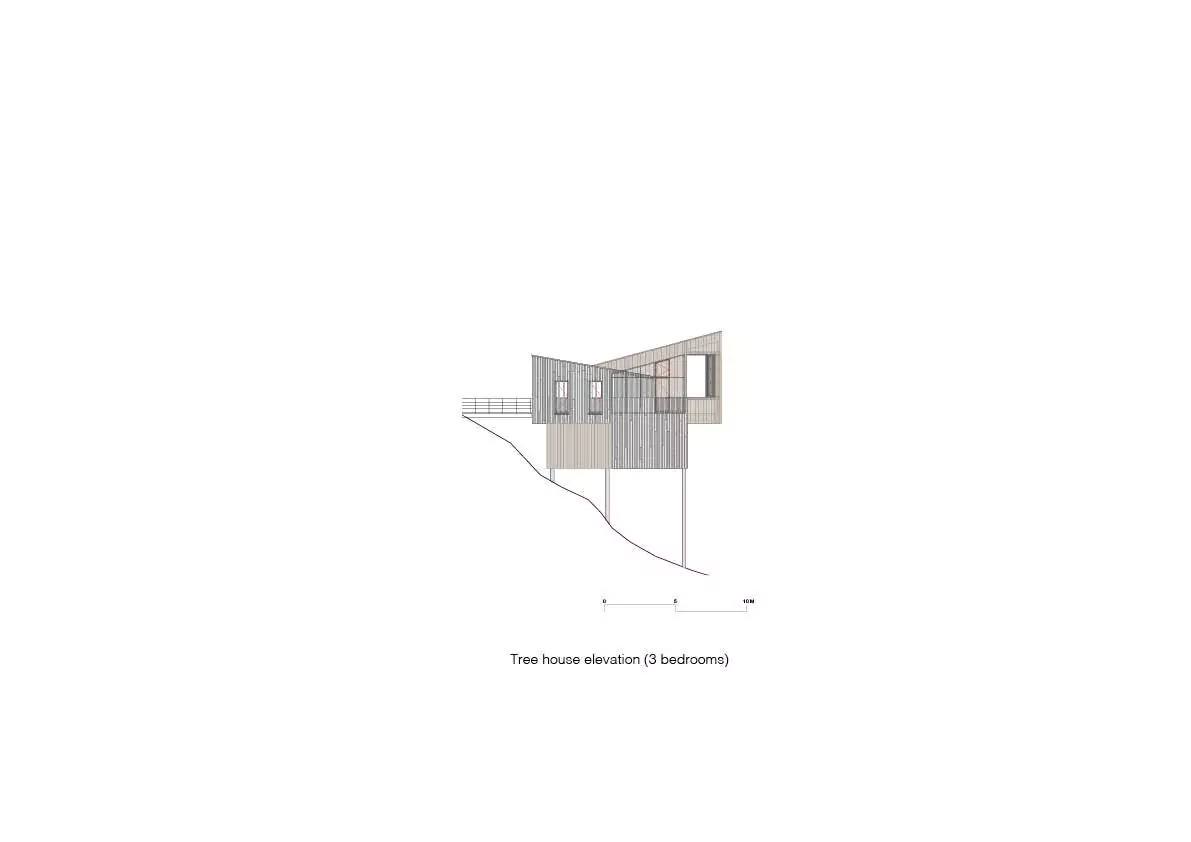
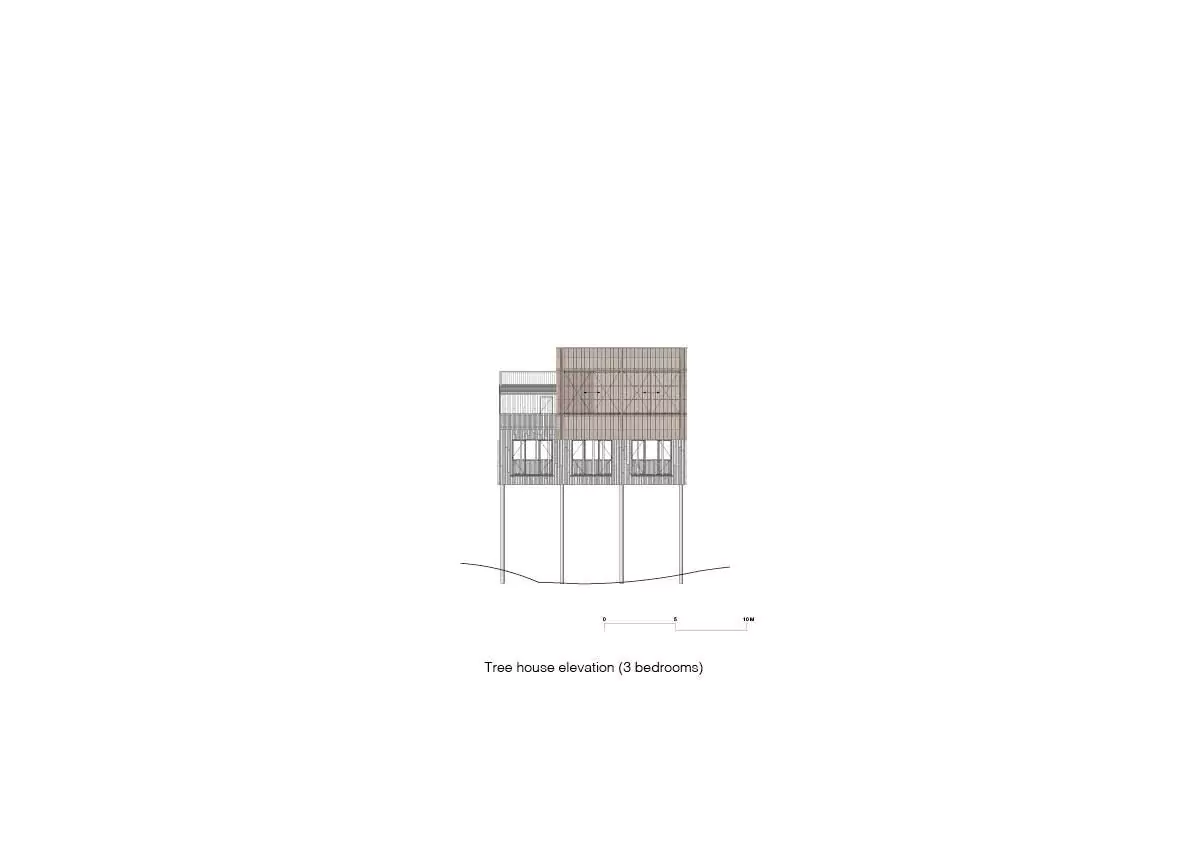
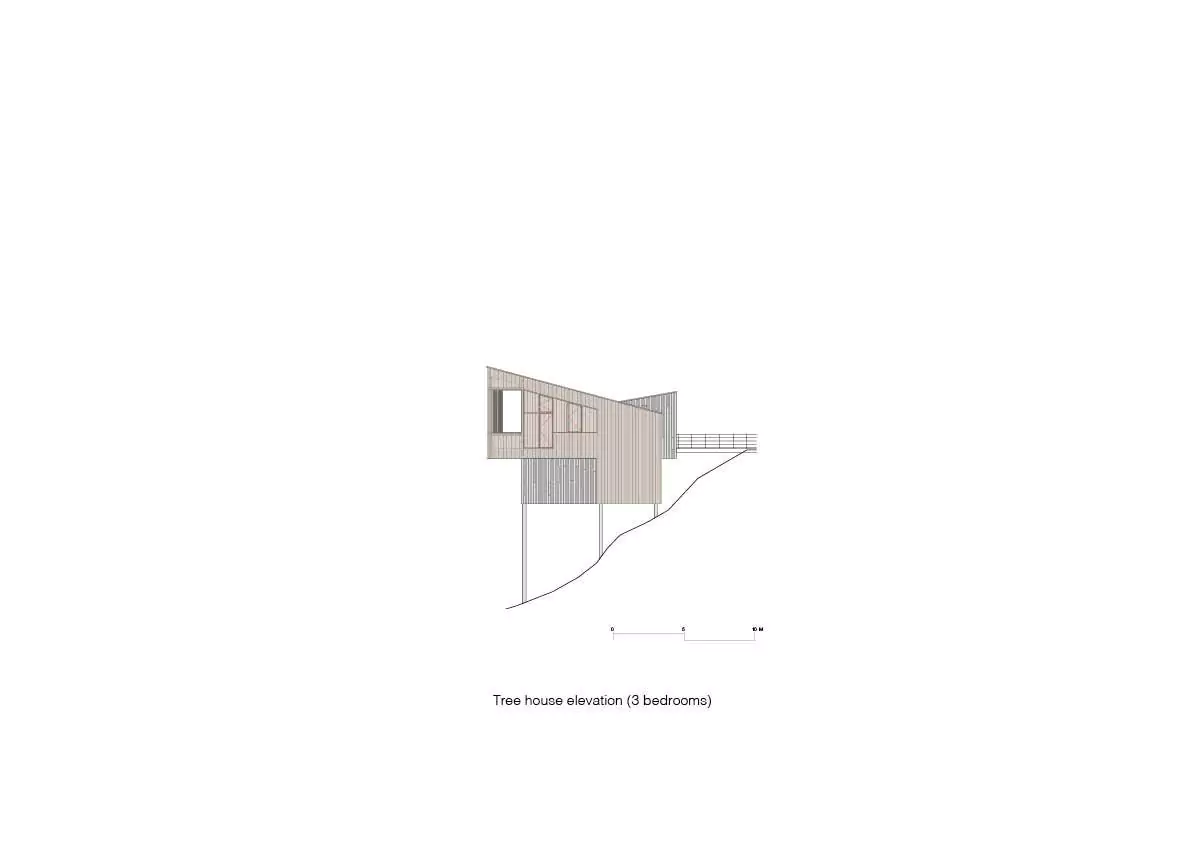
Meijie Mountain Resort Villa

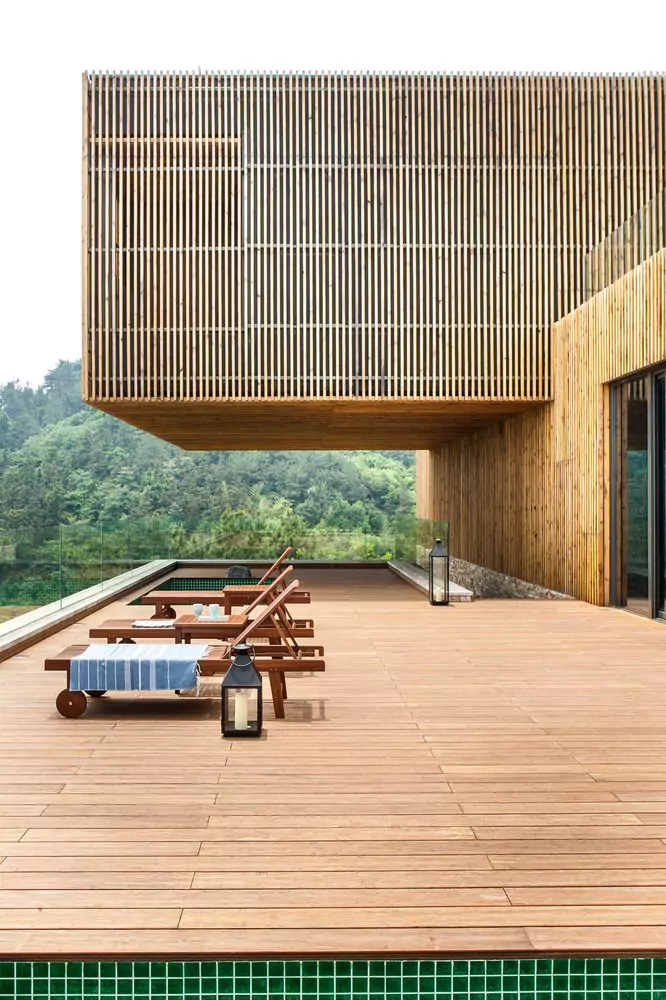
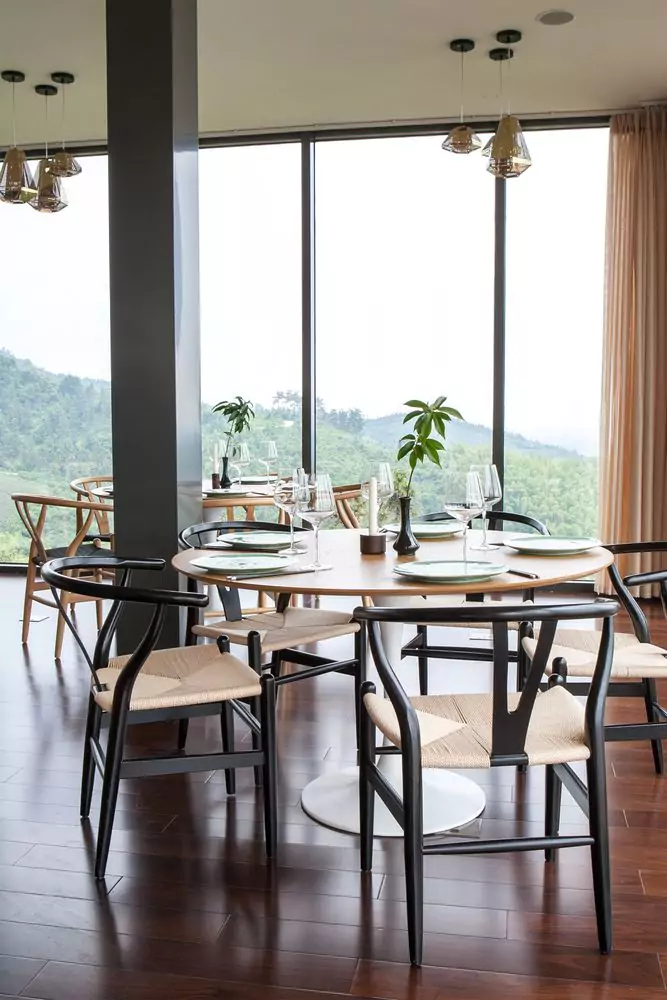
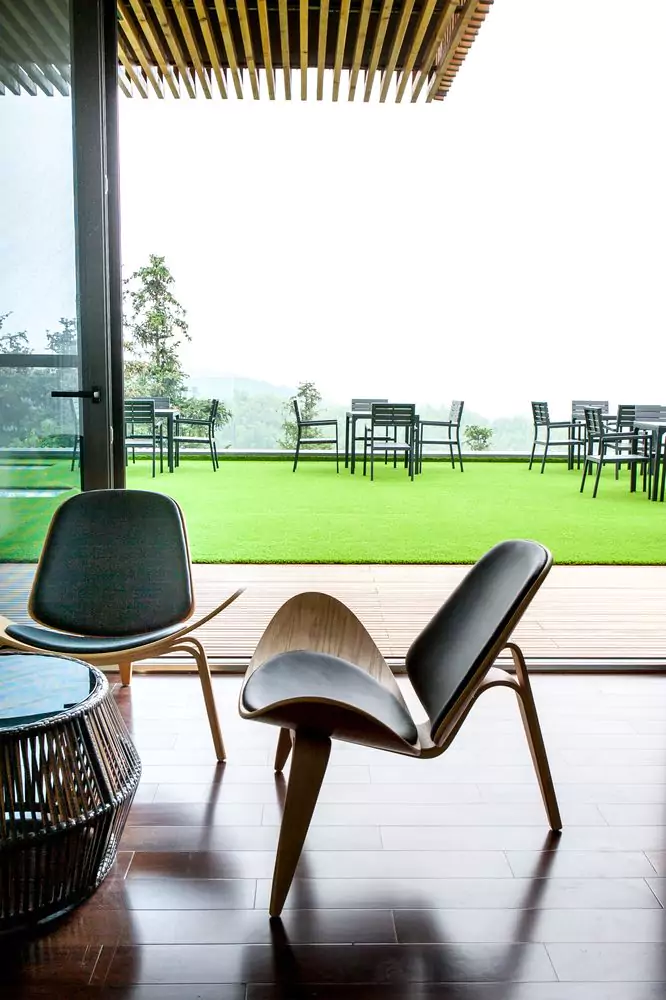
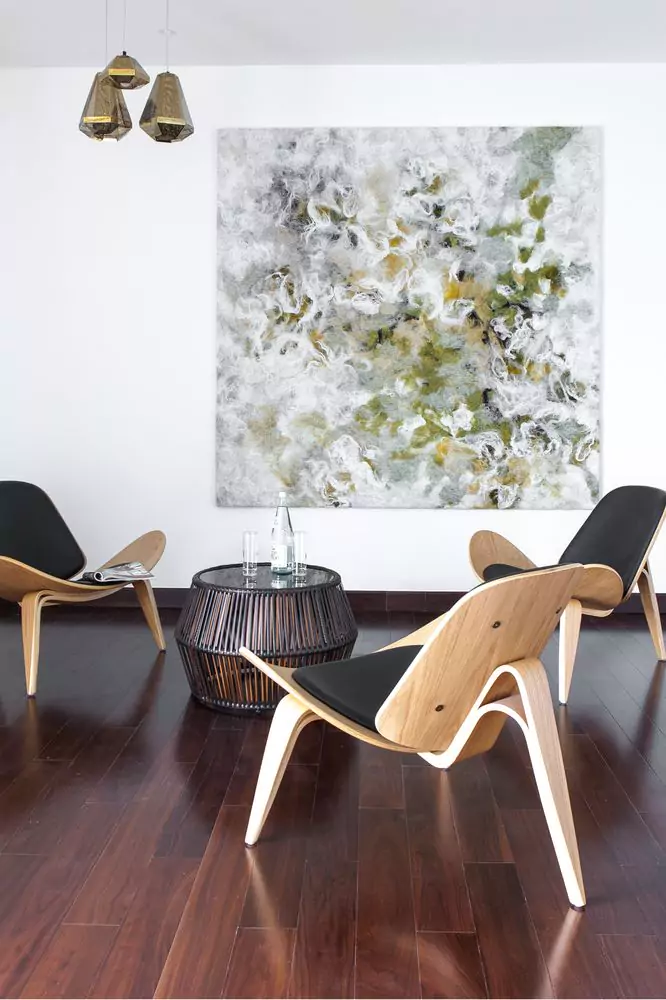
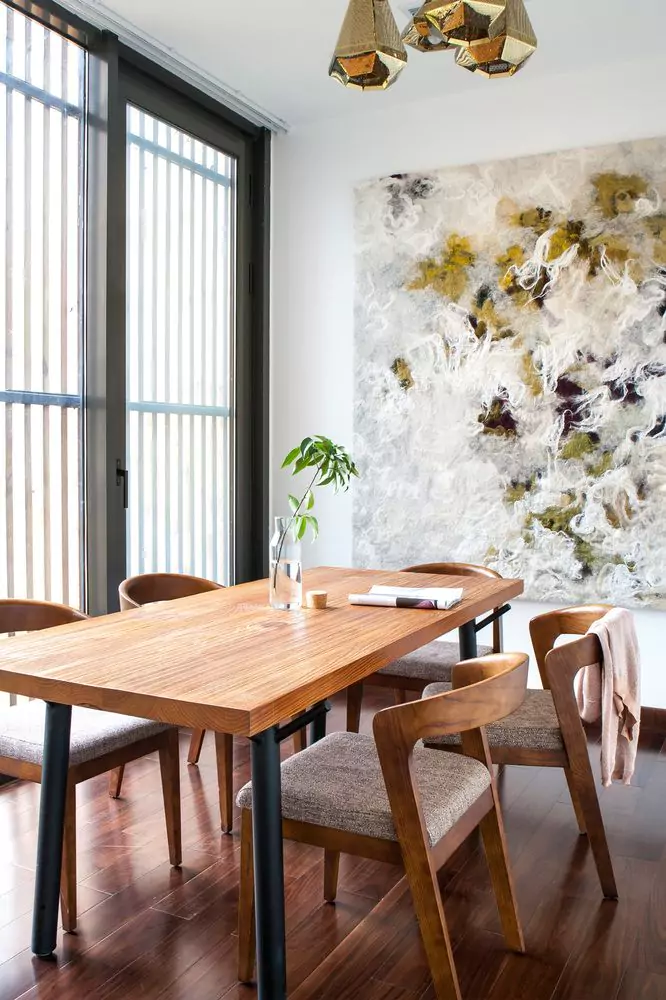
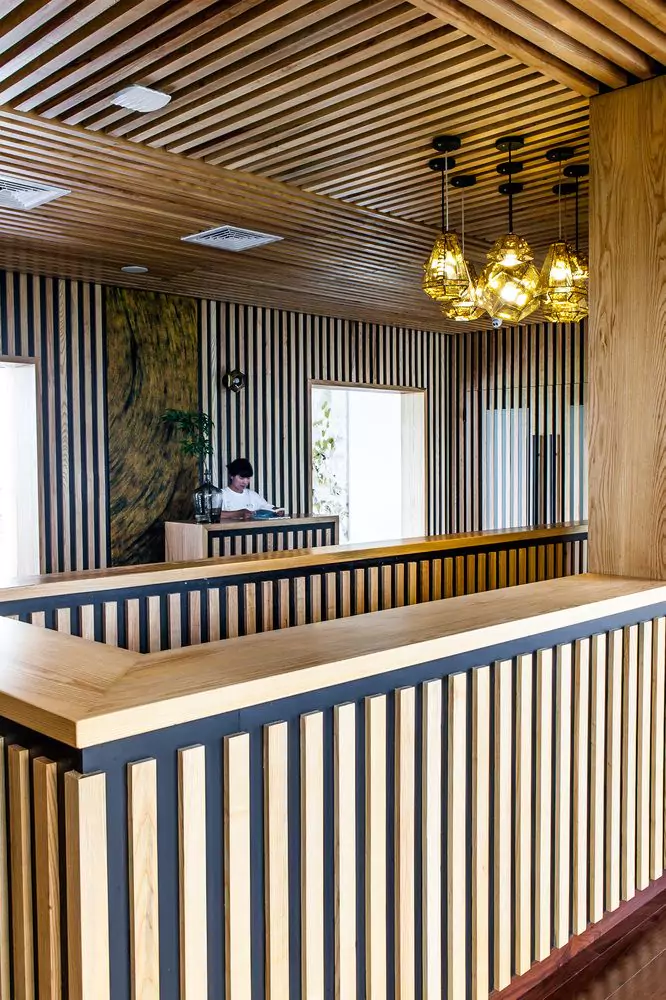
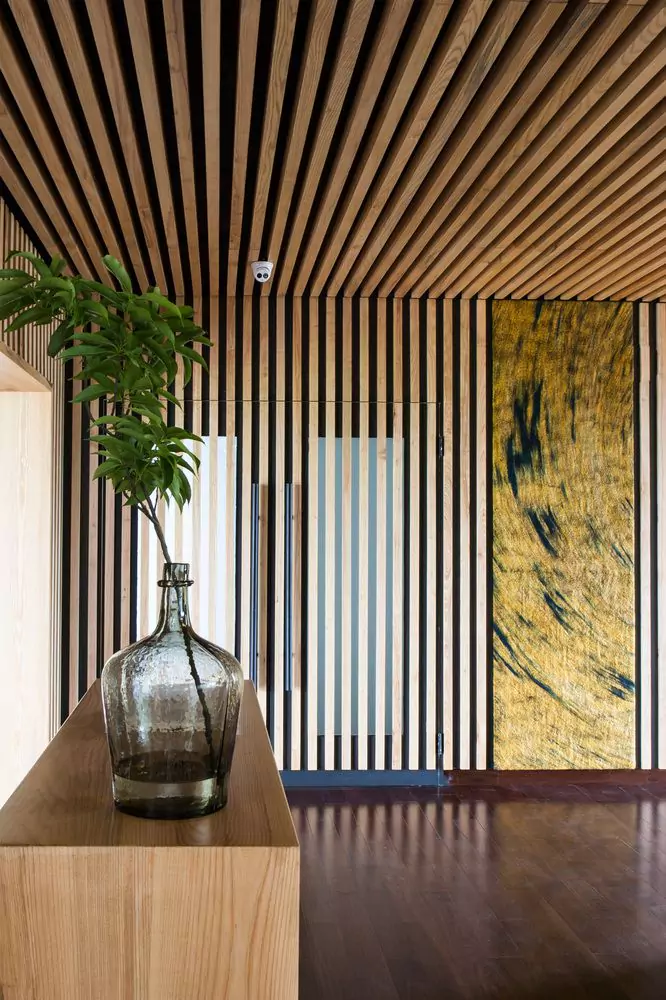
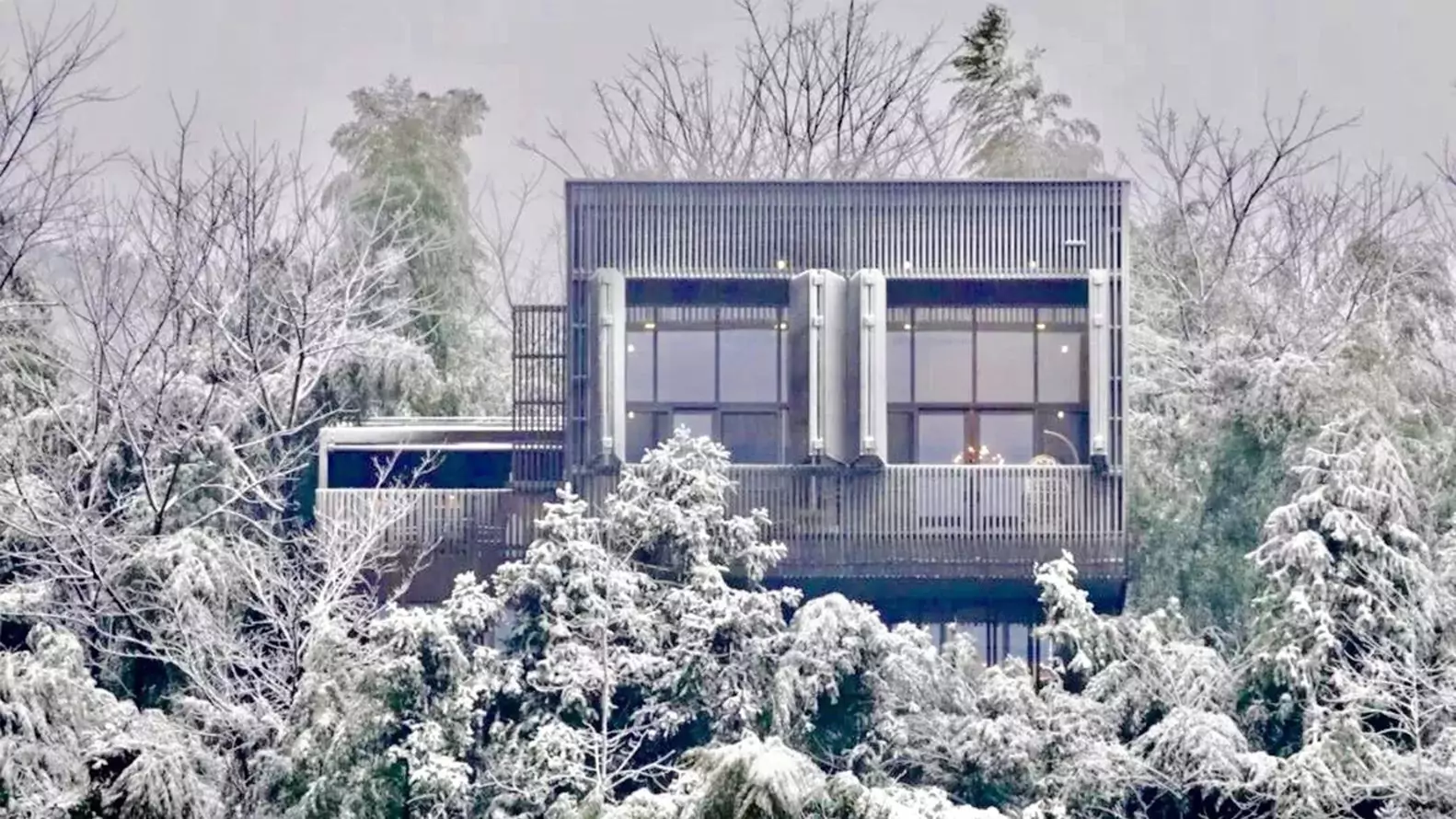
Originality, Ingeniousness, transparency and delicacy are all words that describe the Meijie Mountain Resort Villa. It won the WAN Awards in 2017 and the jury acknowledged it as the benchmark for sustainable design.

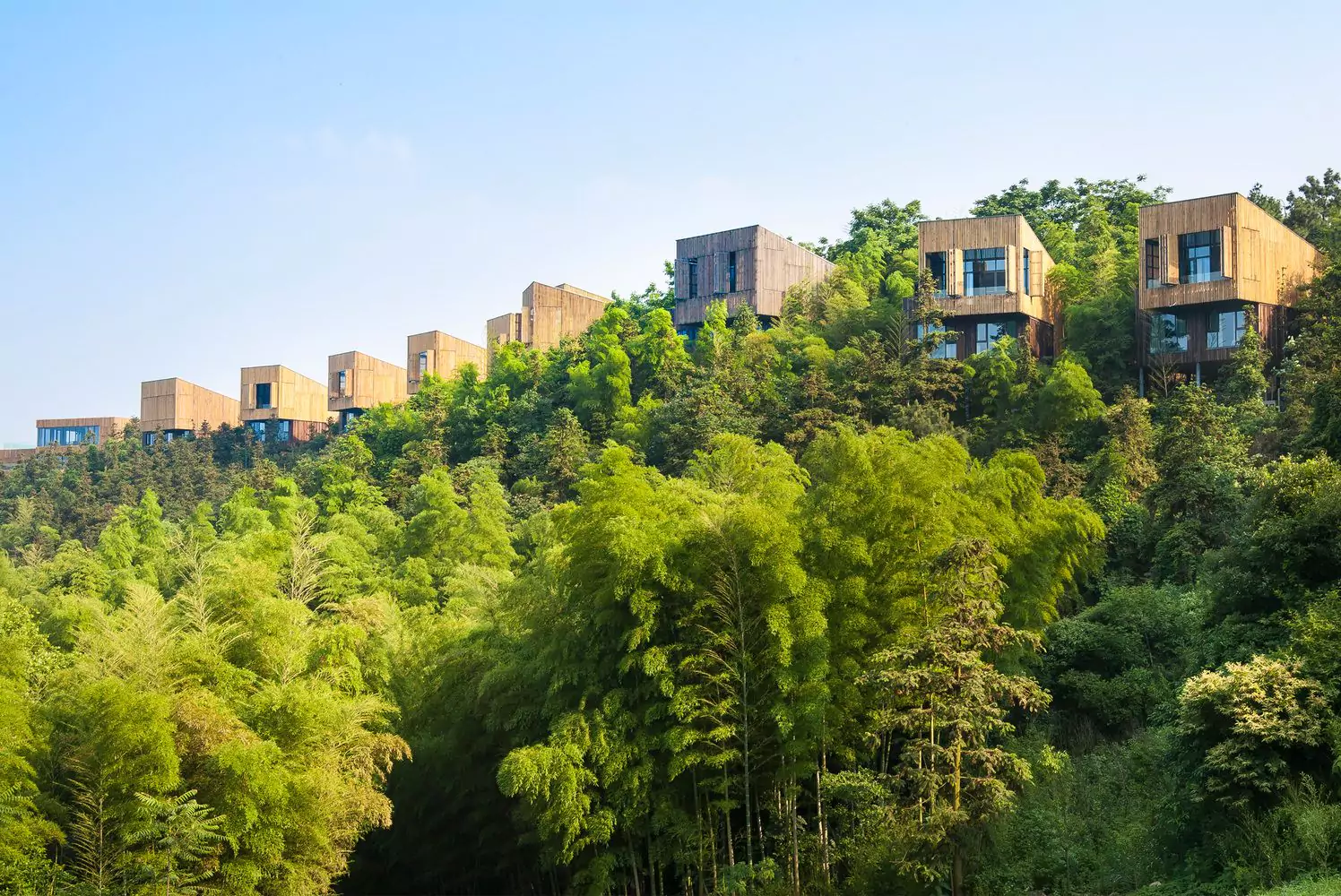
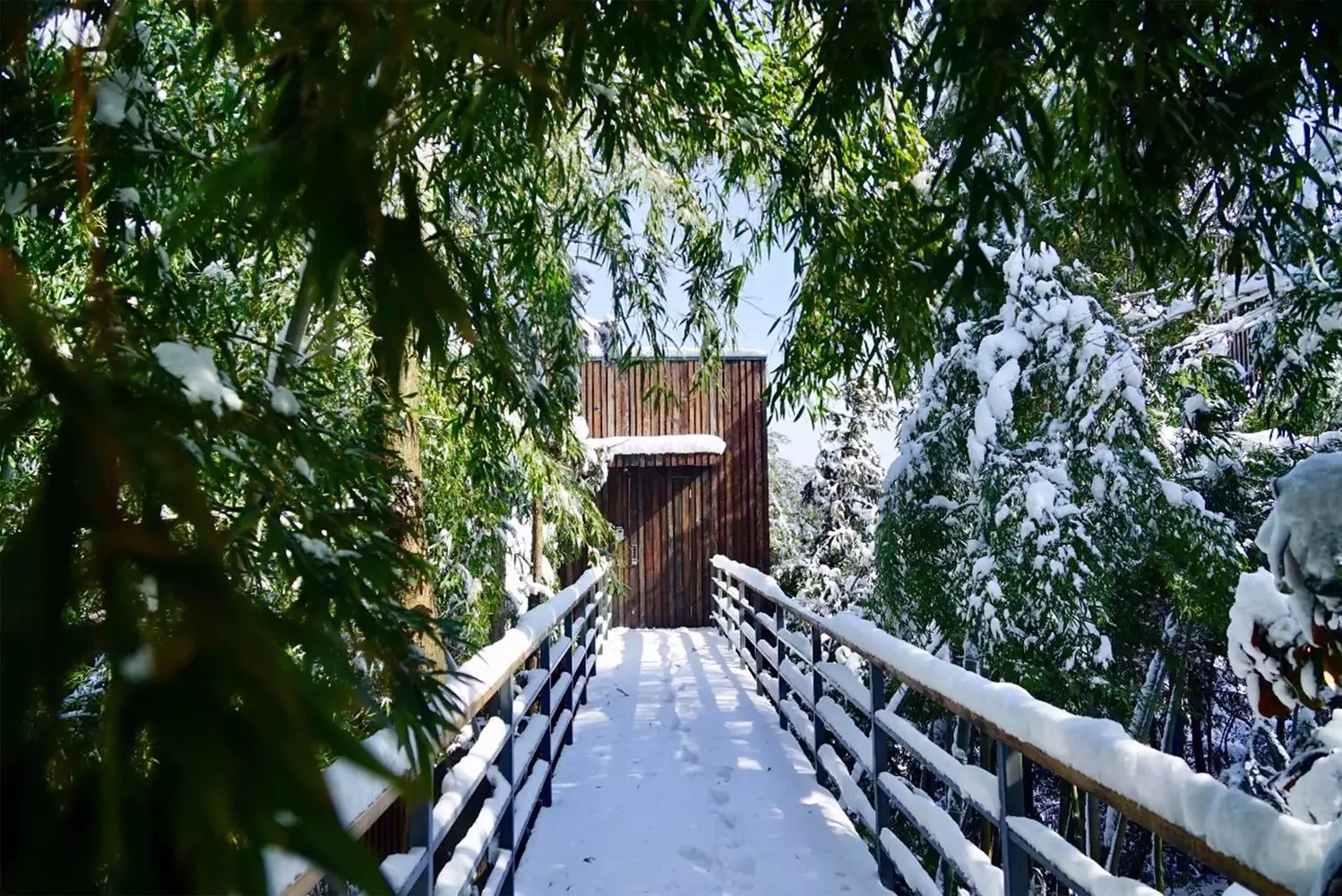
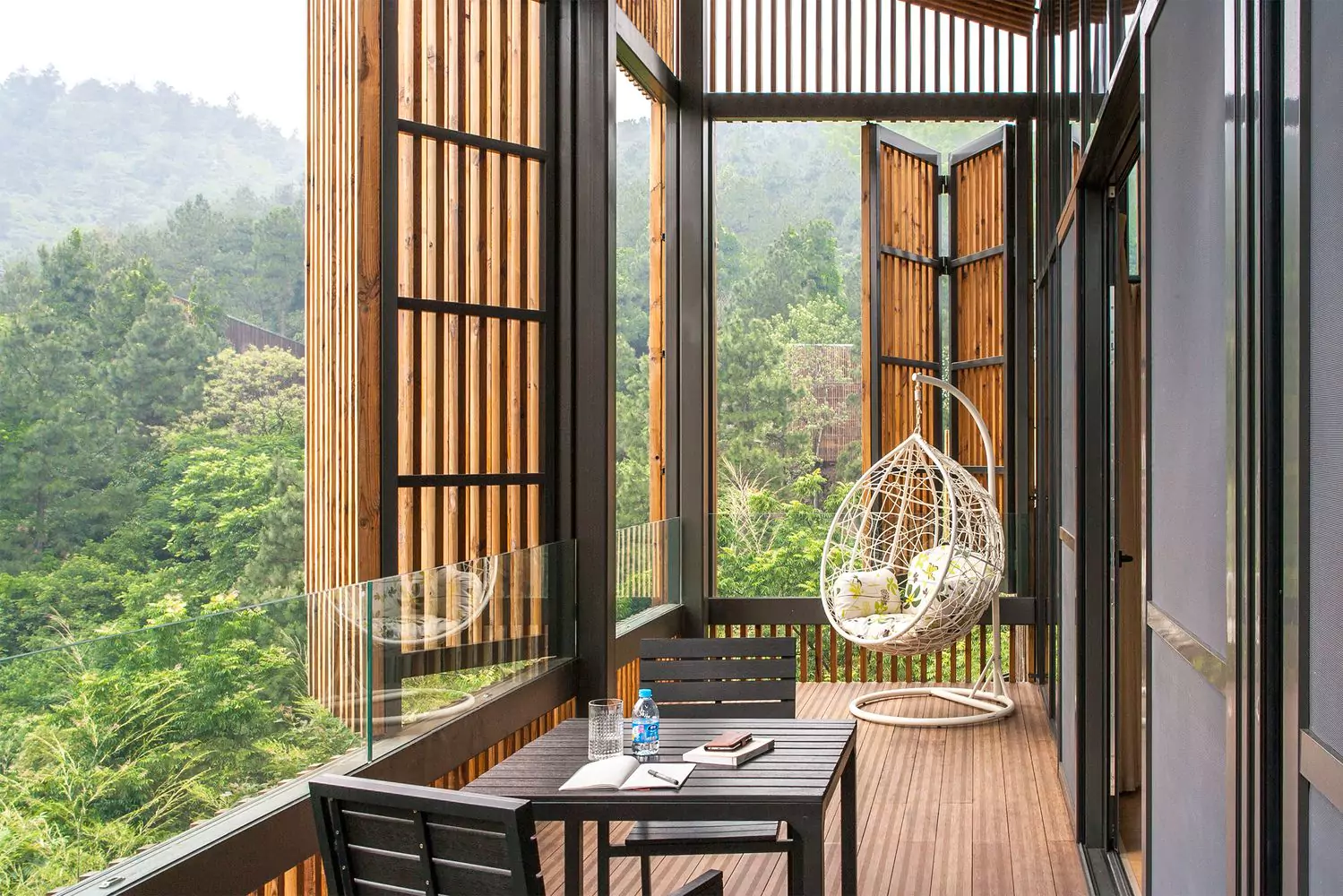
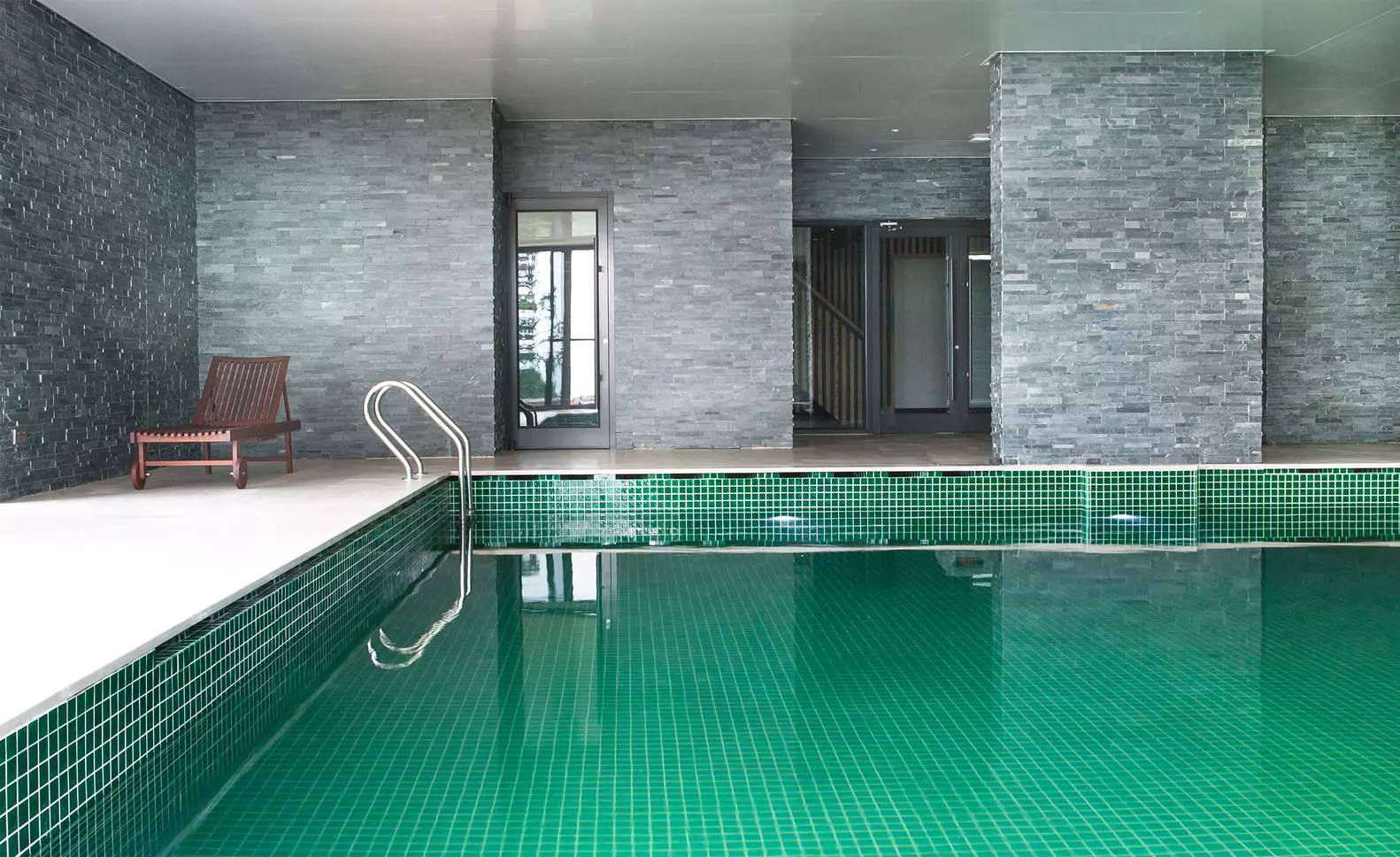
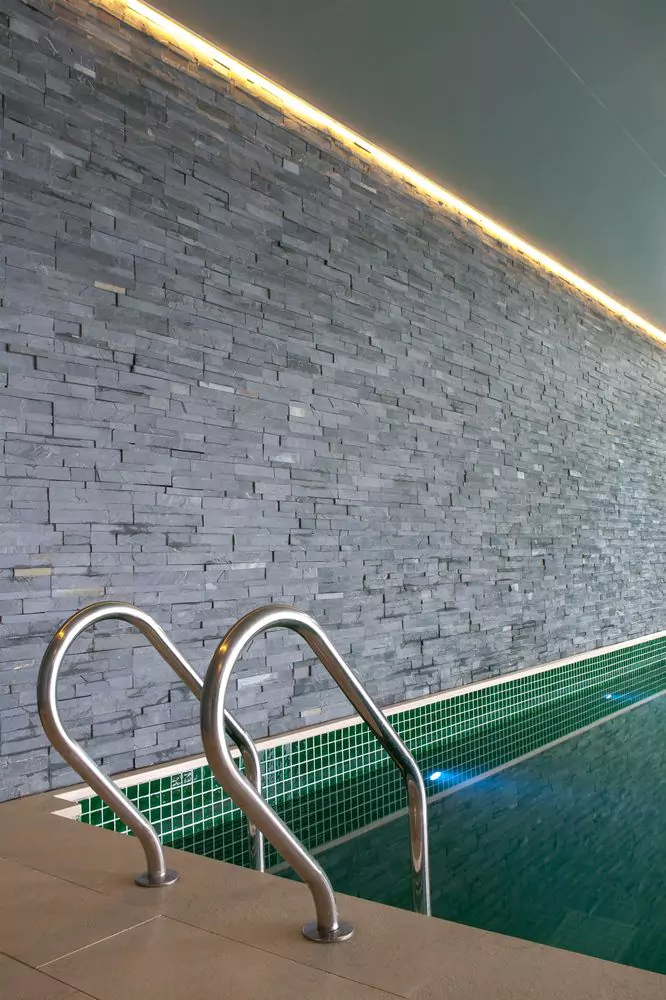
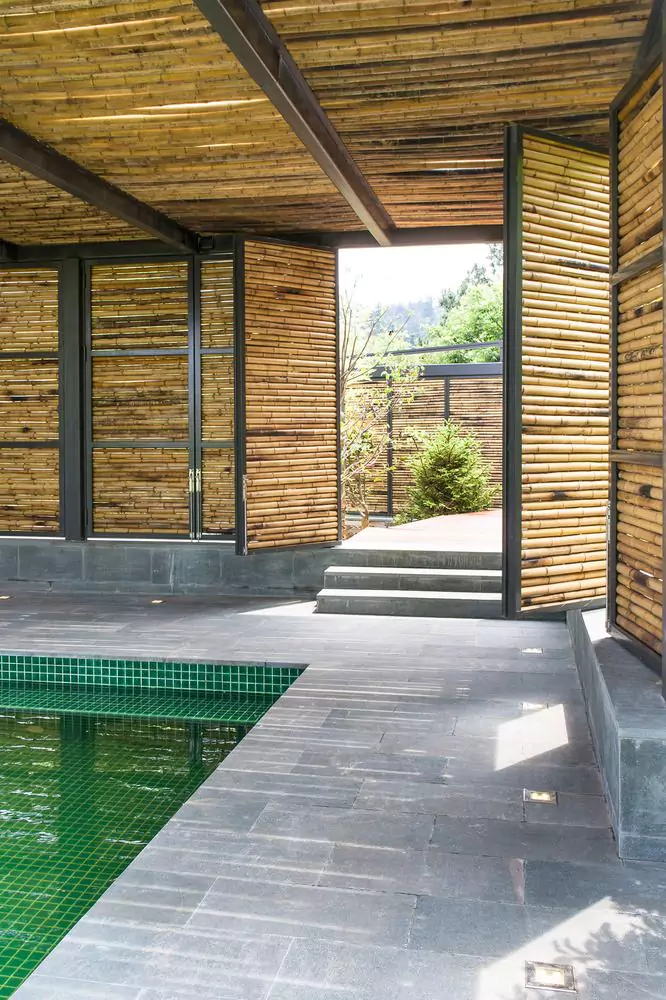
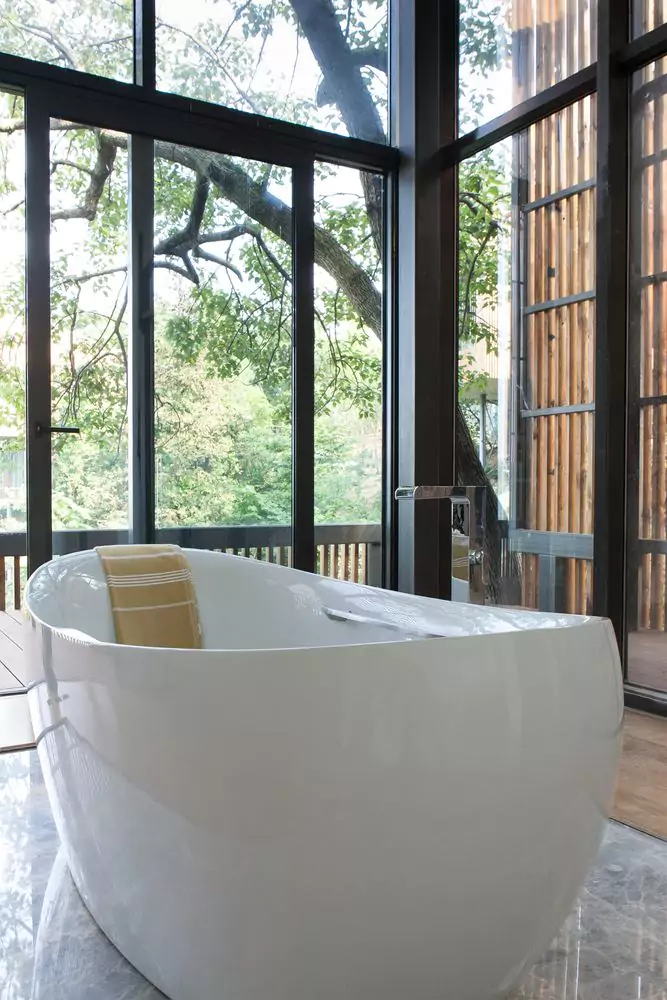
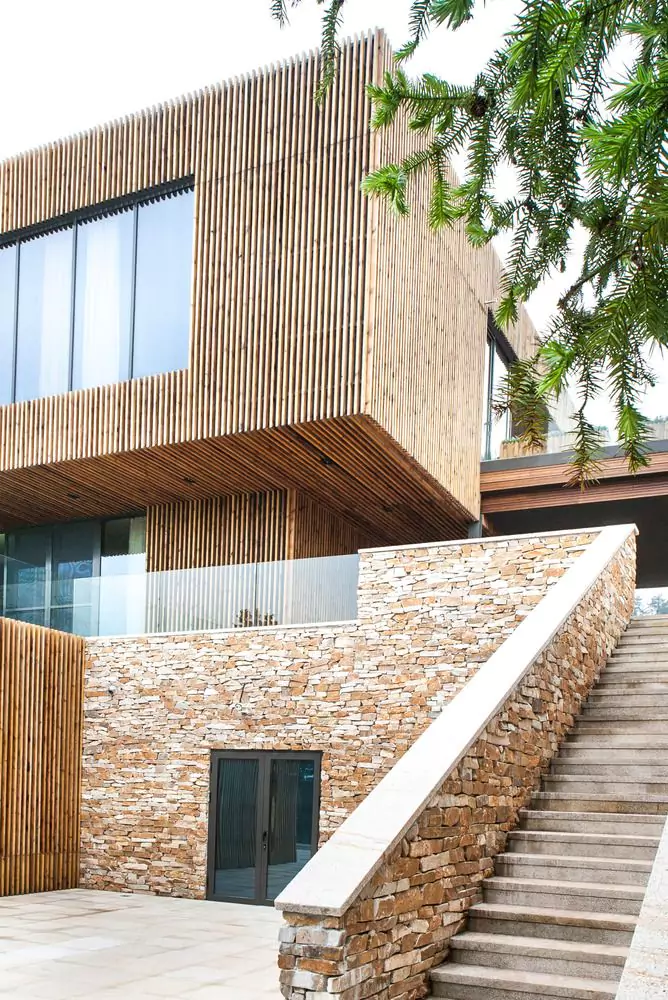
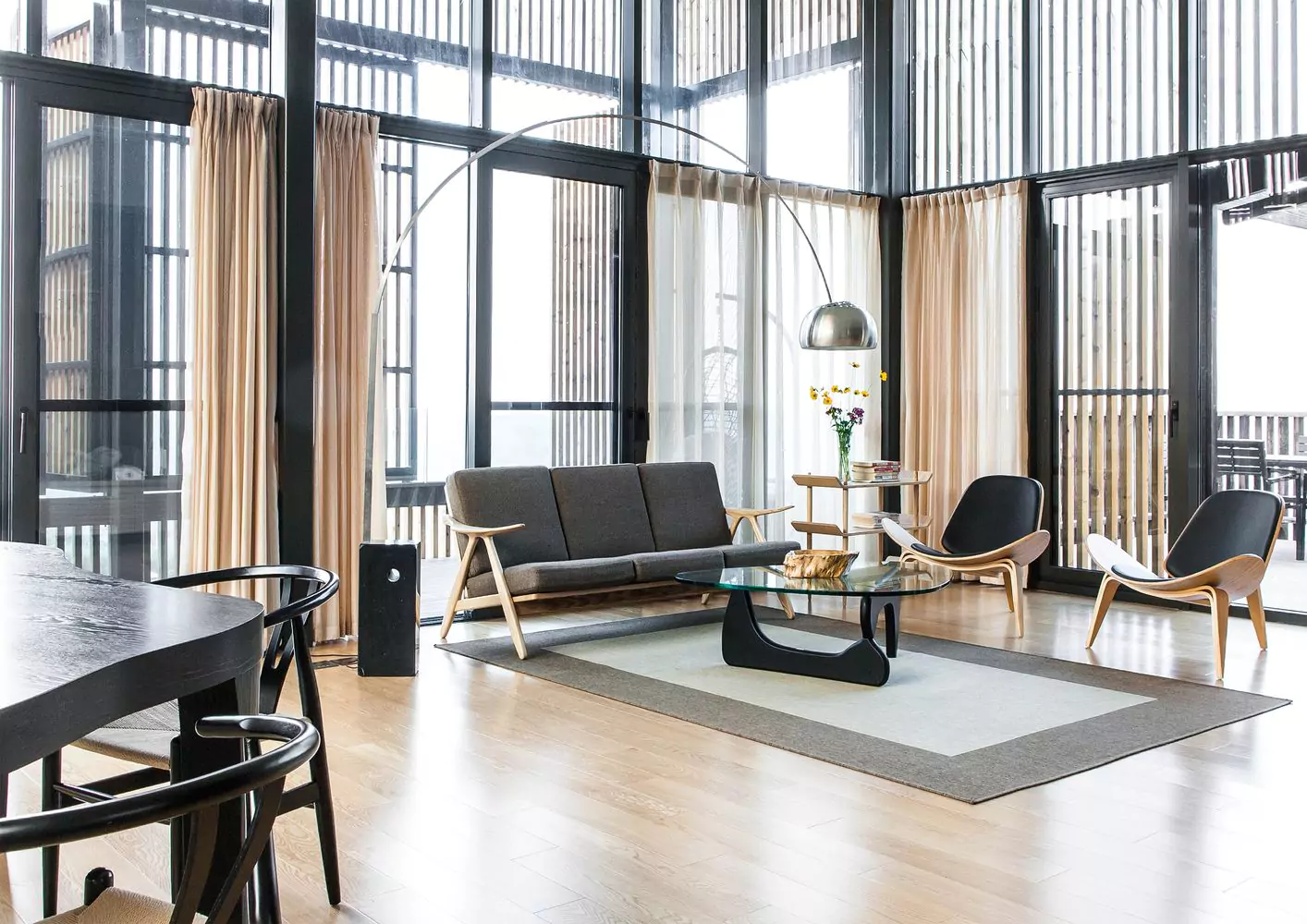
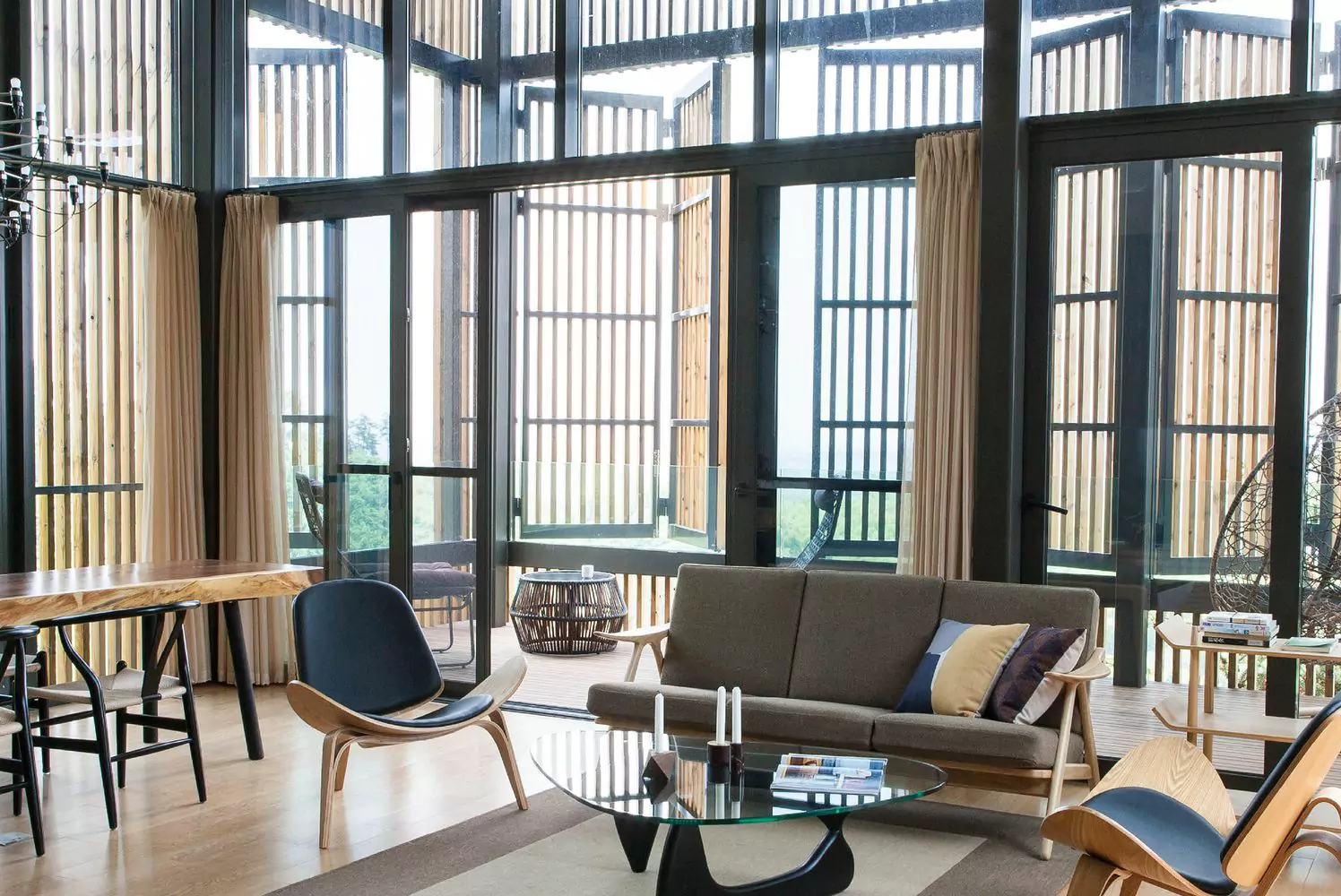
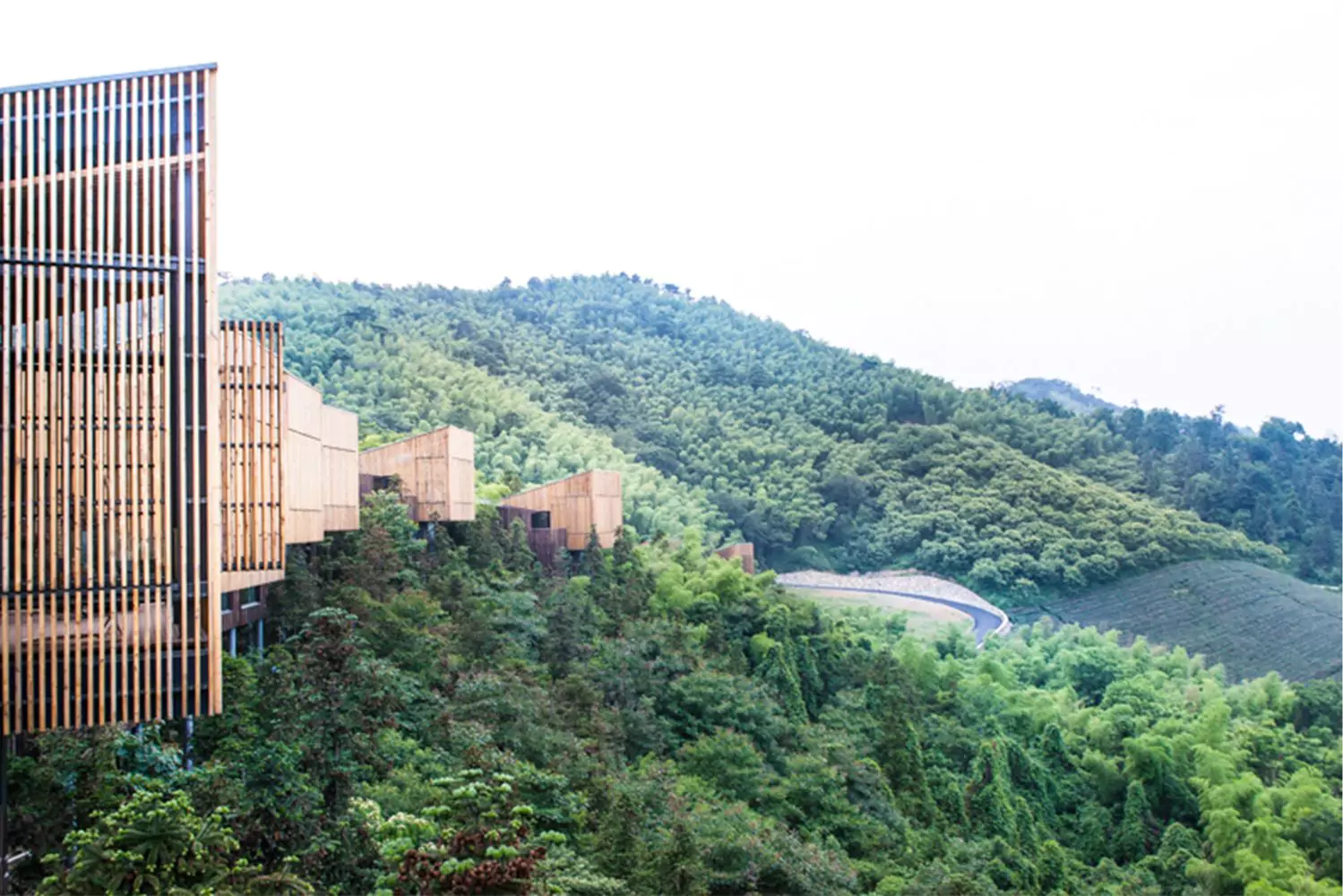
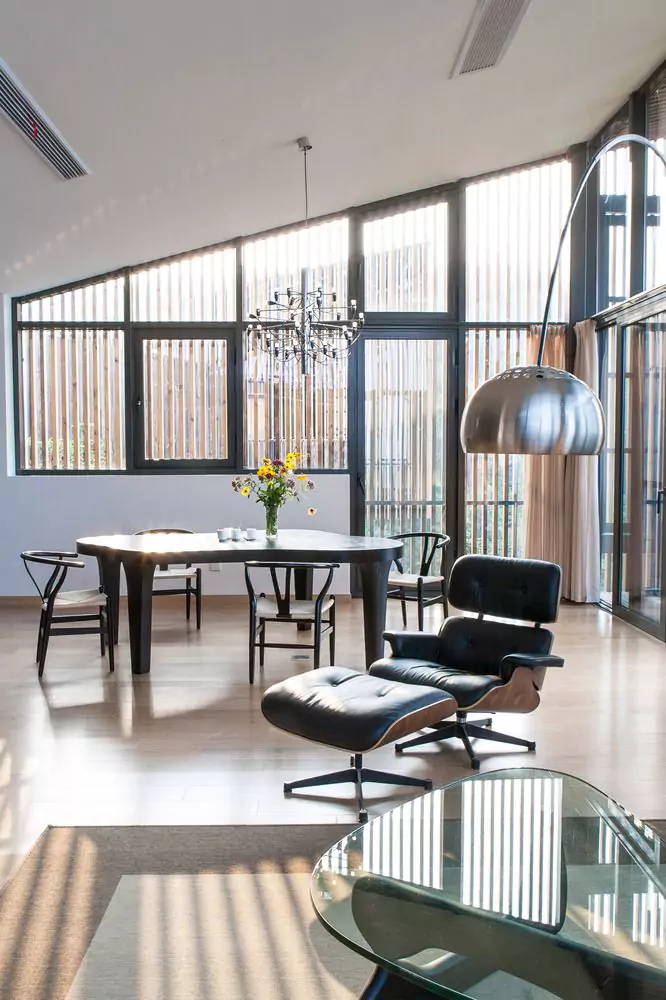
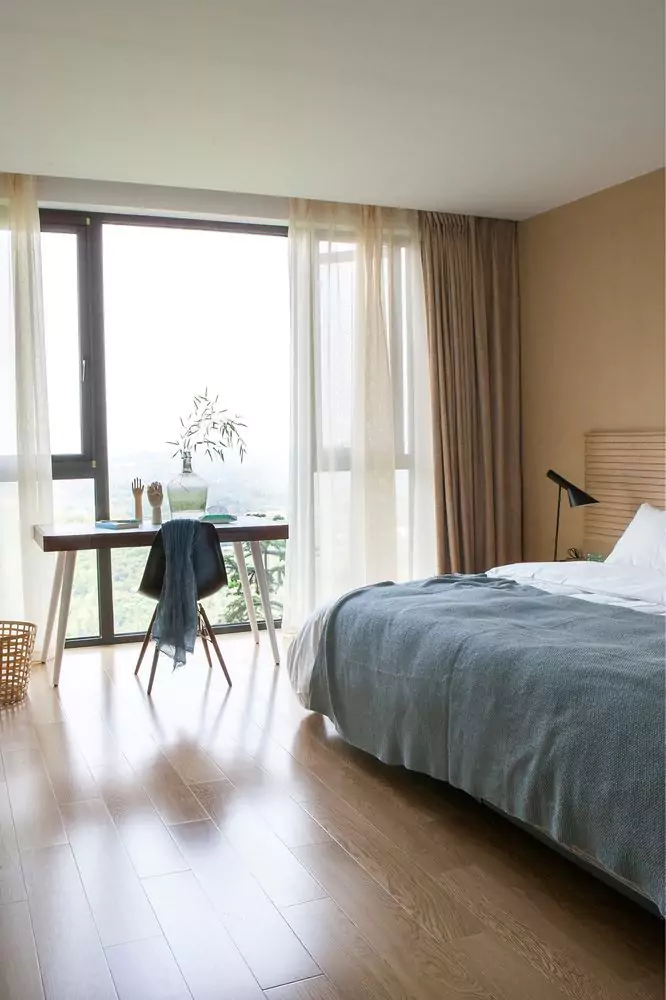
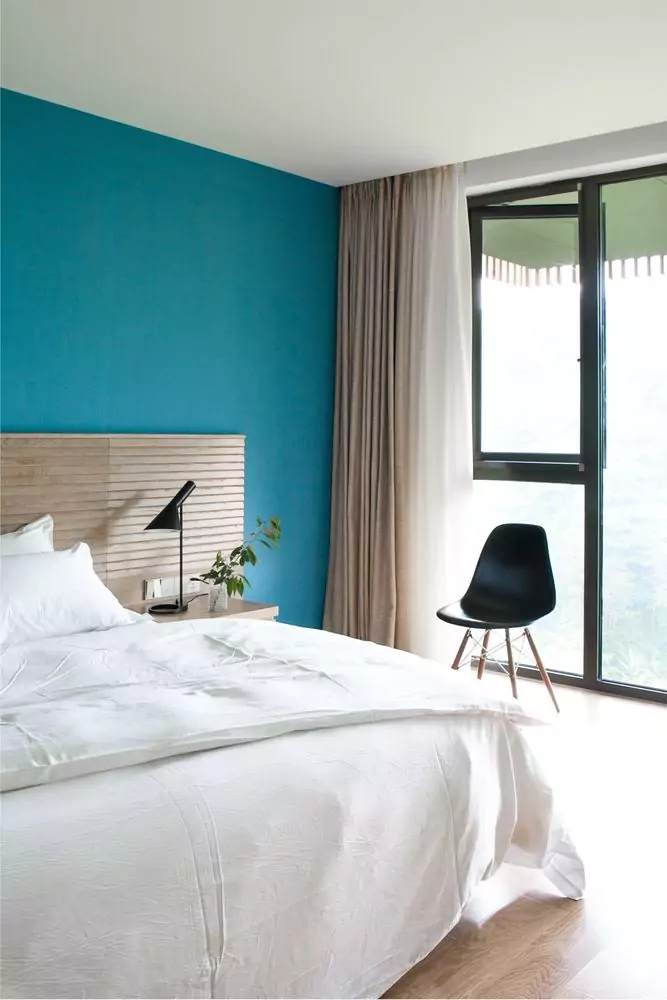
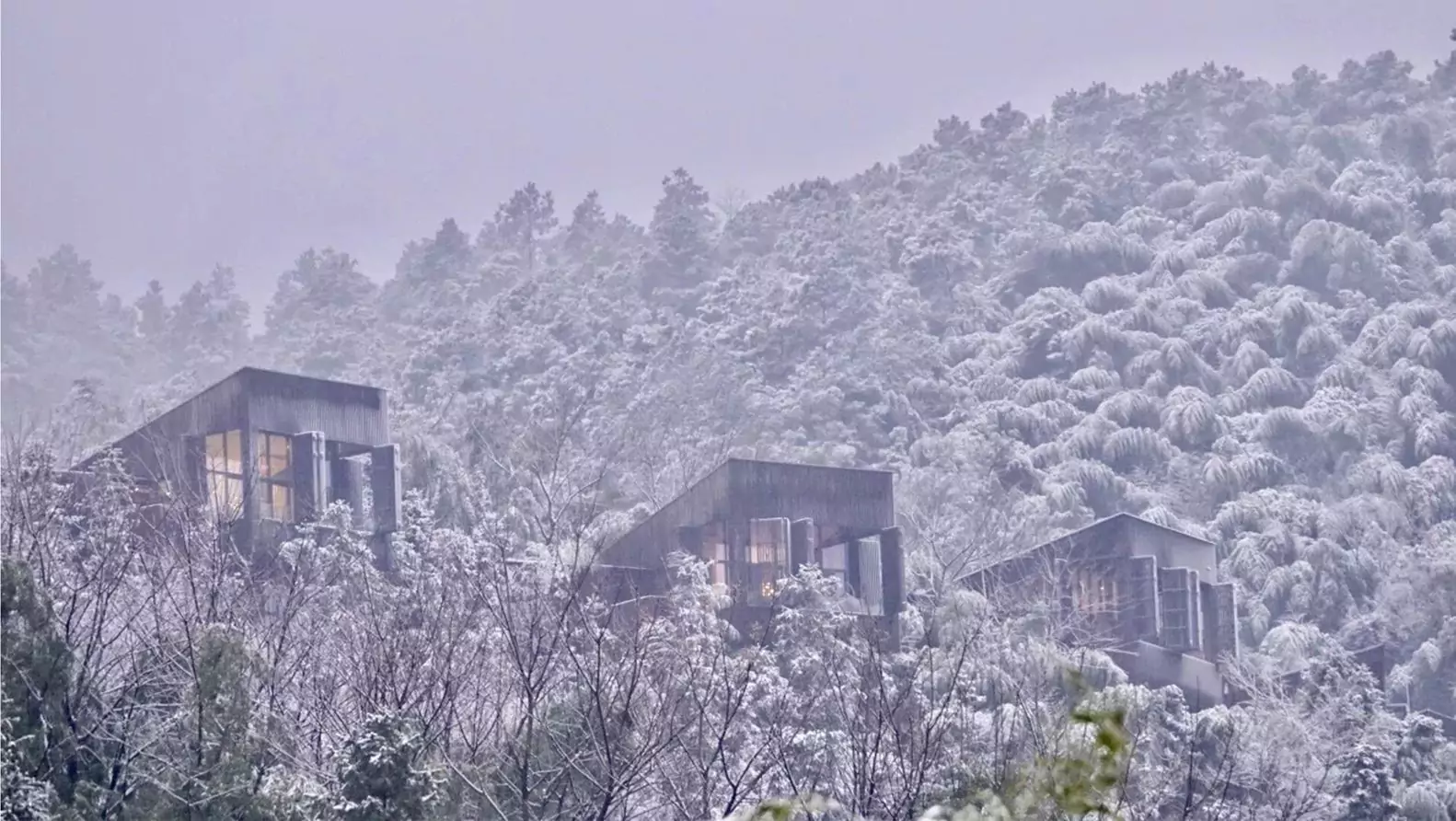
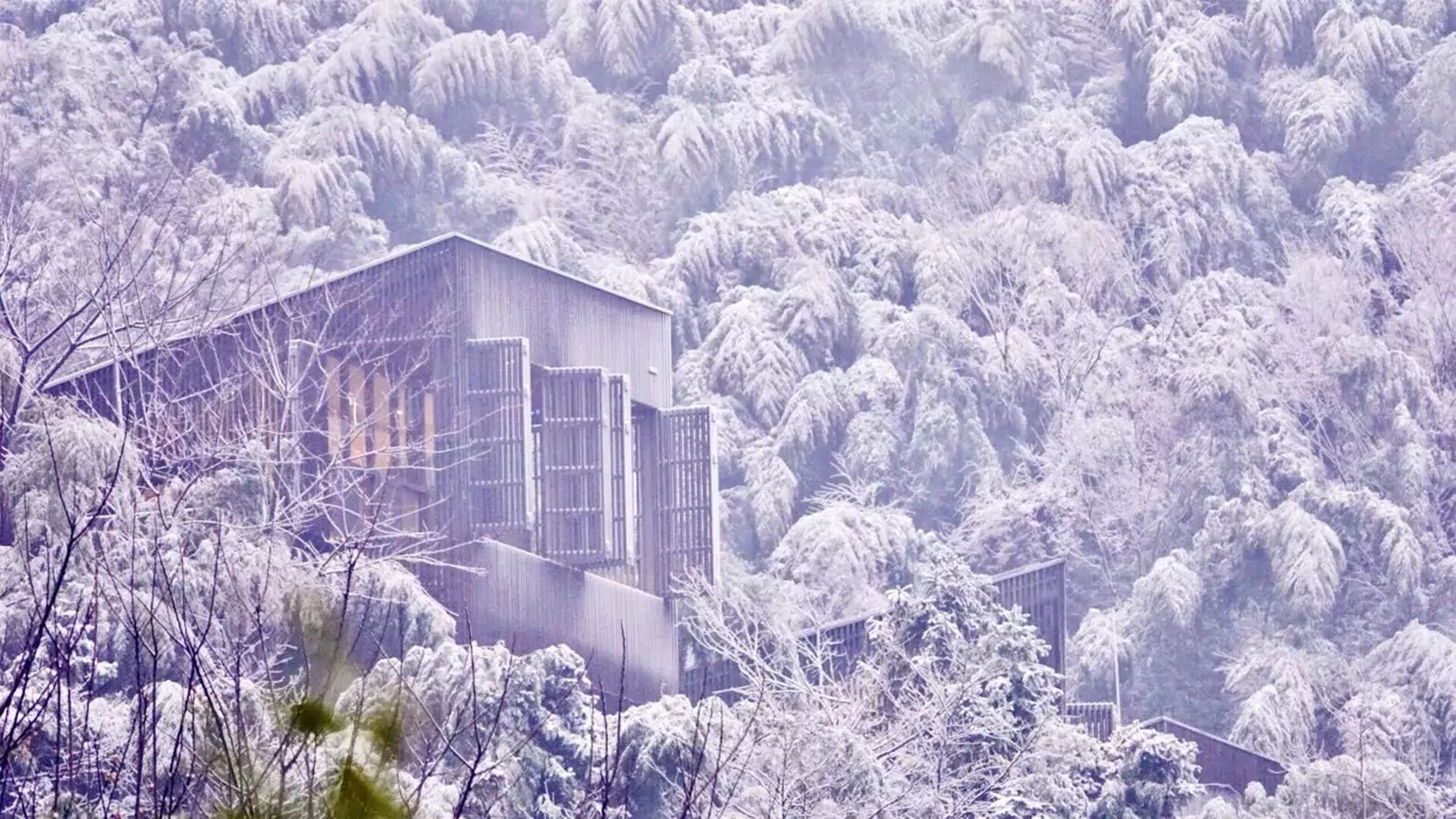
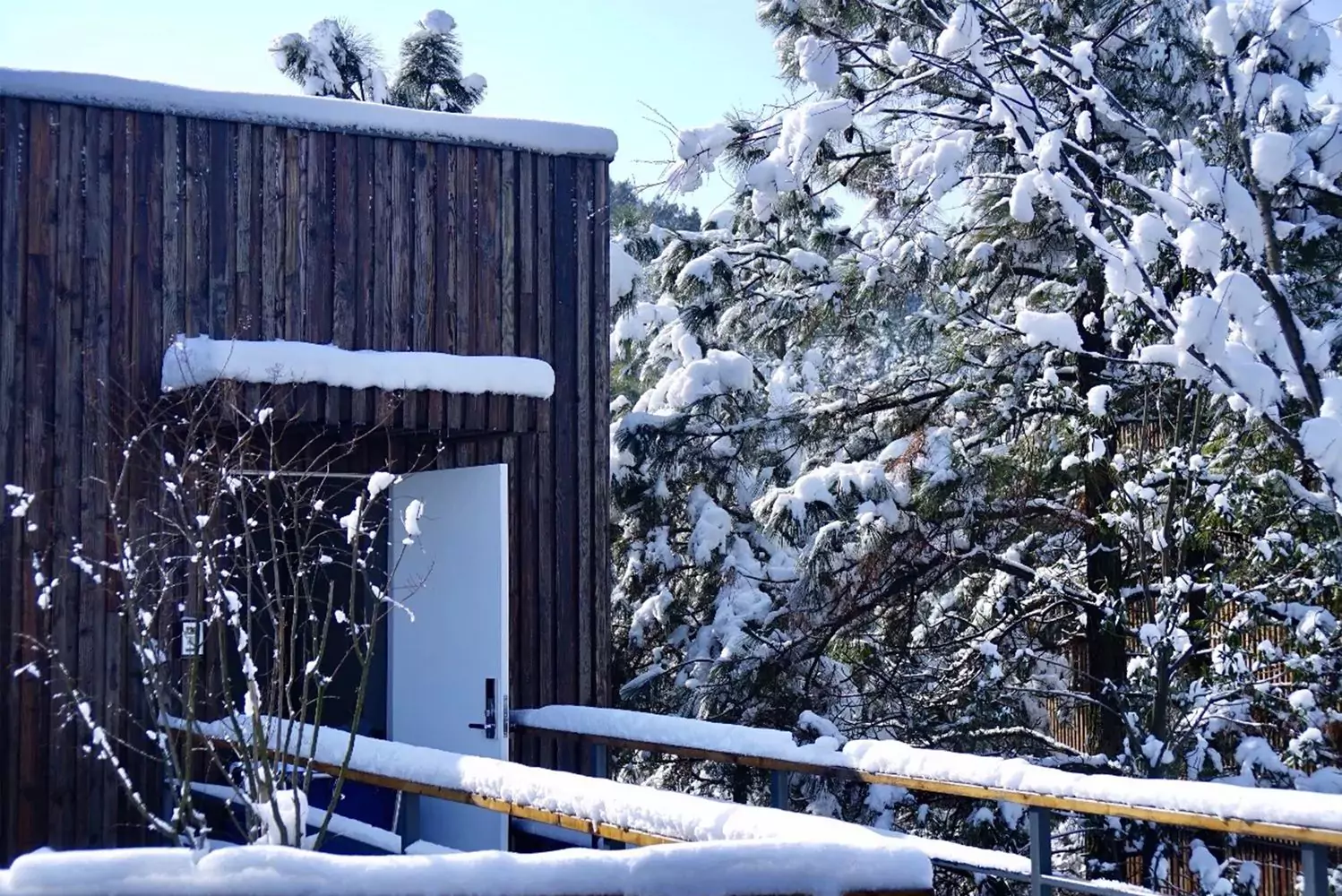
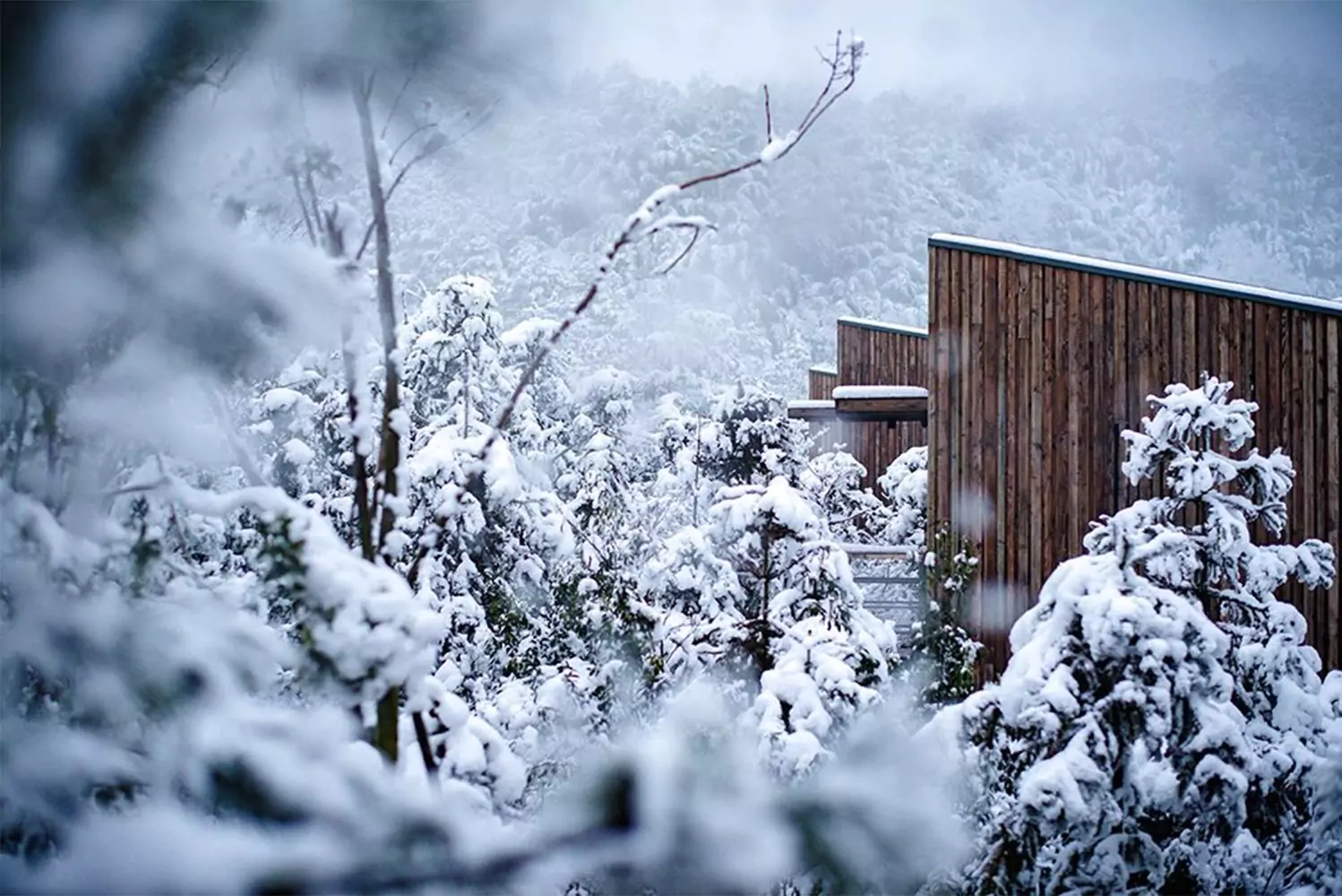
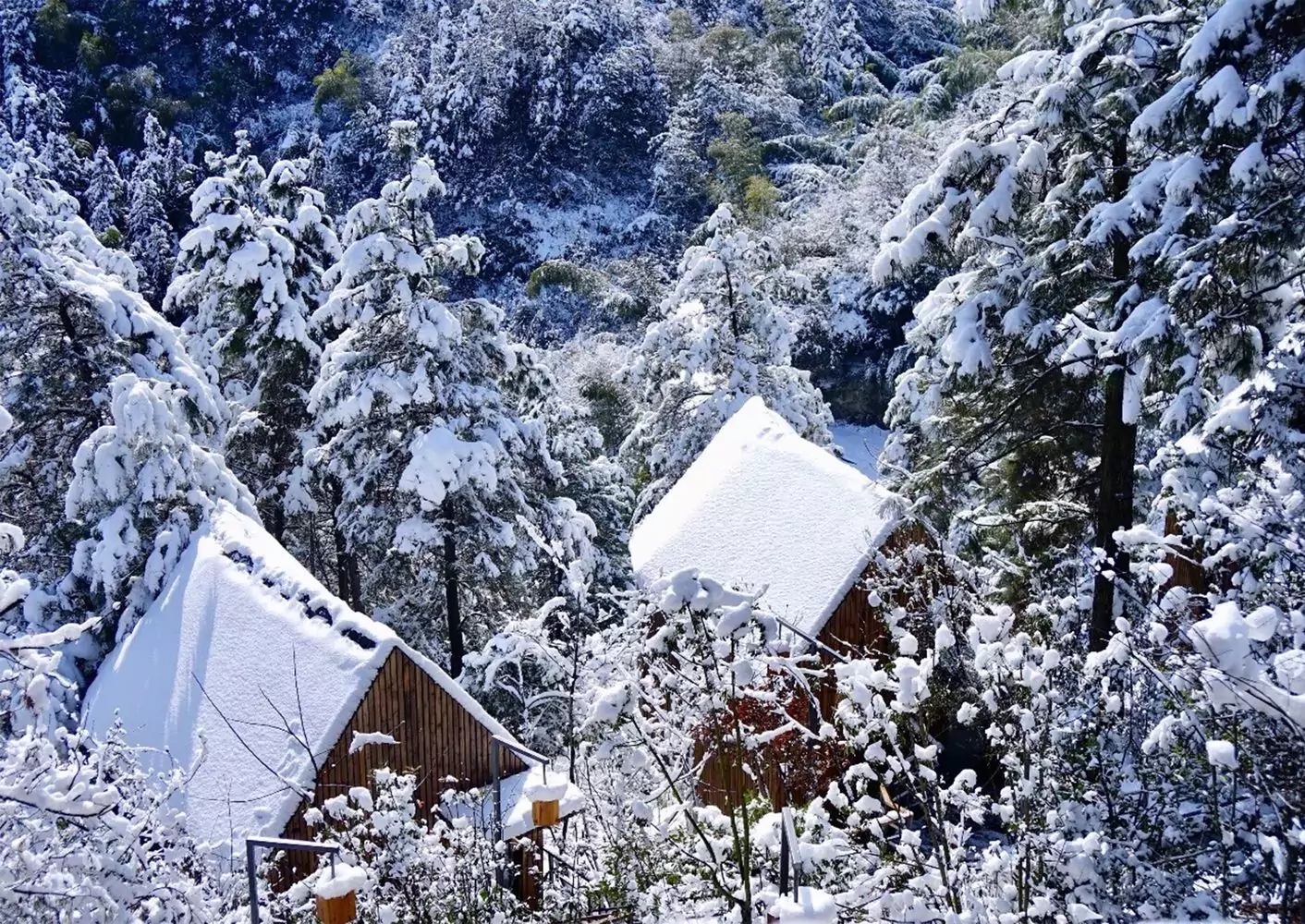
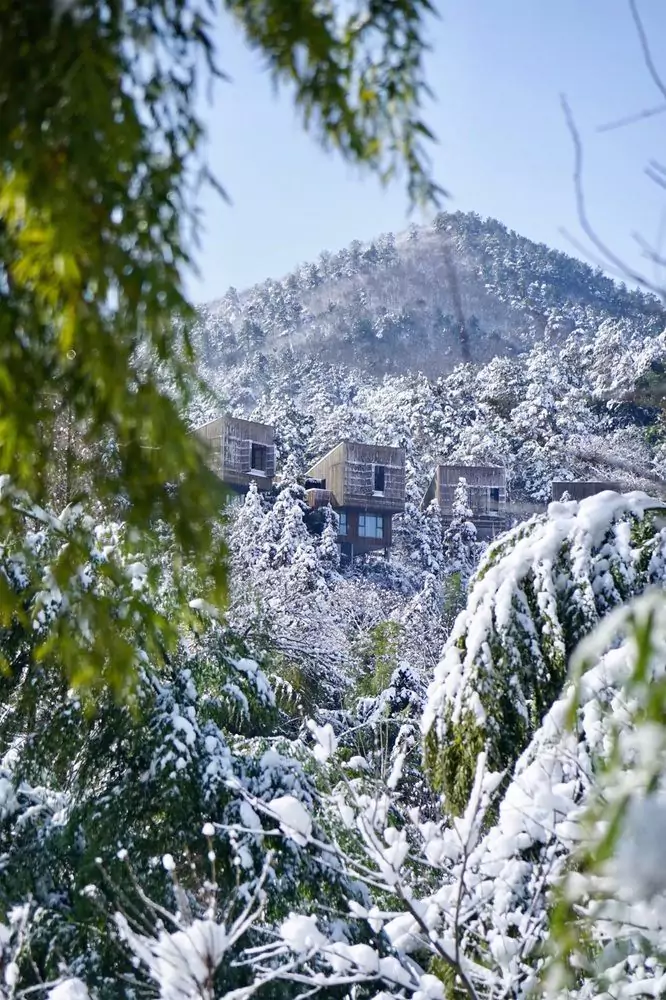
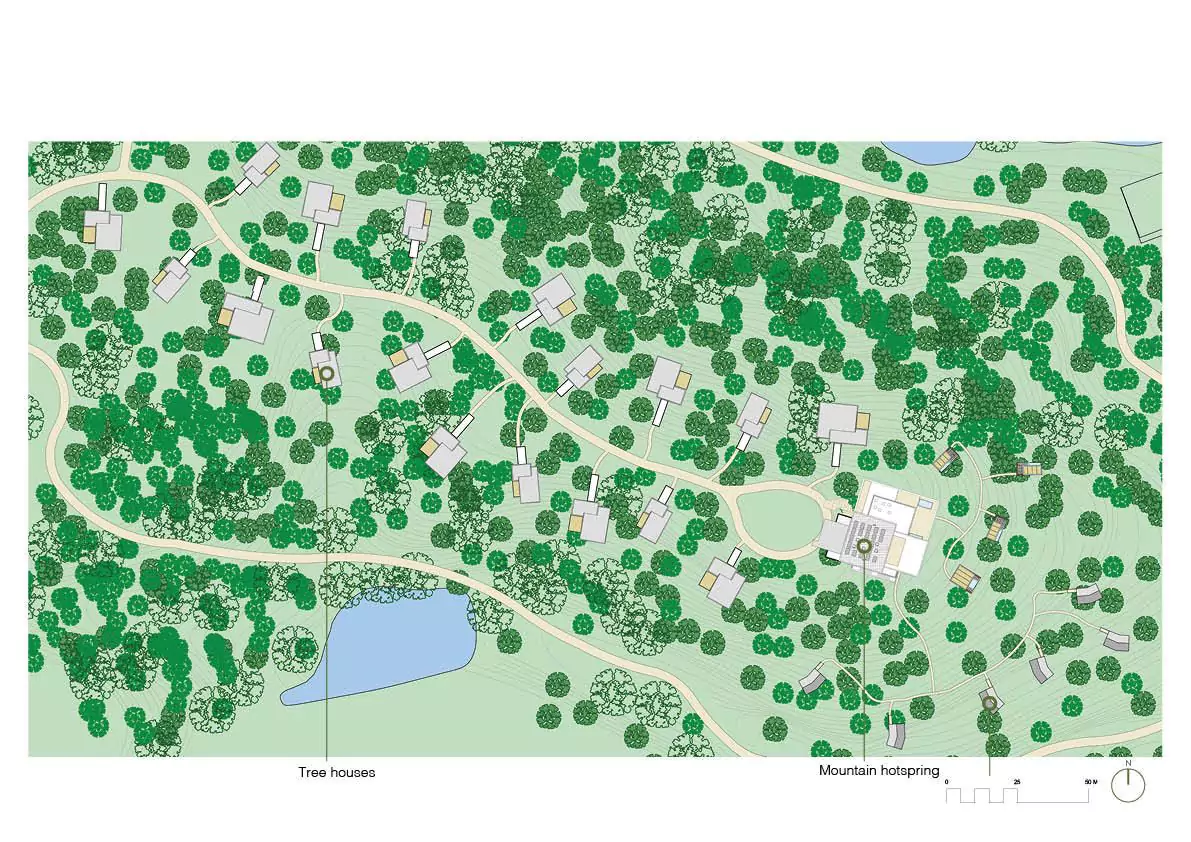
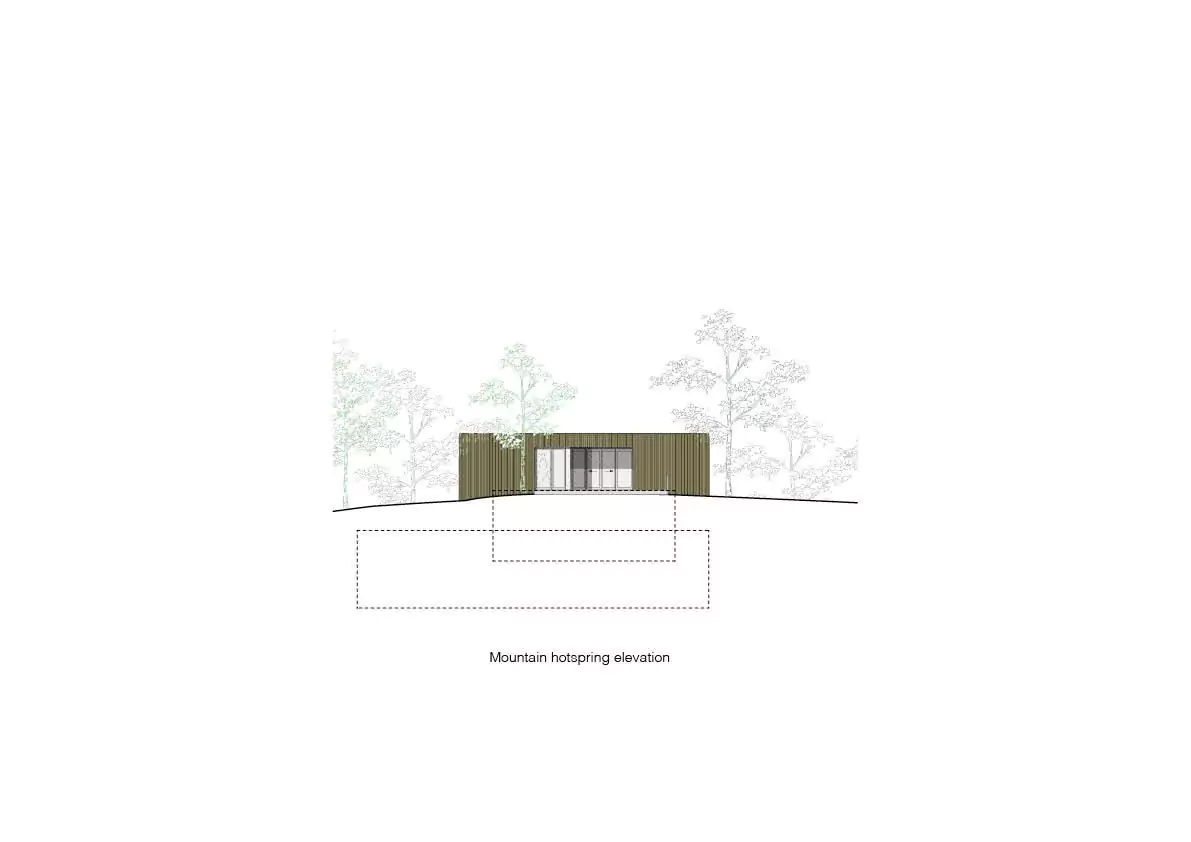
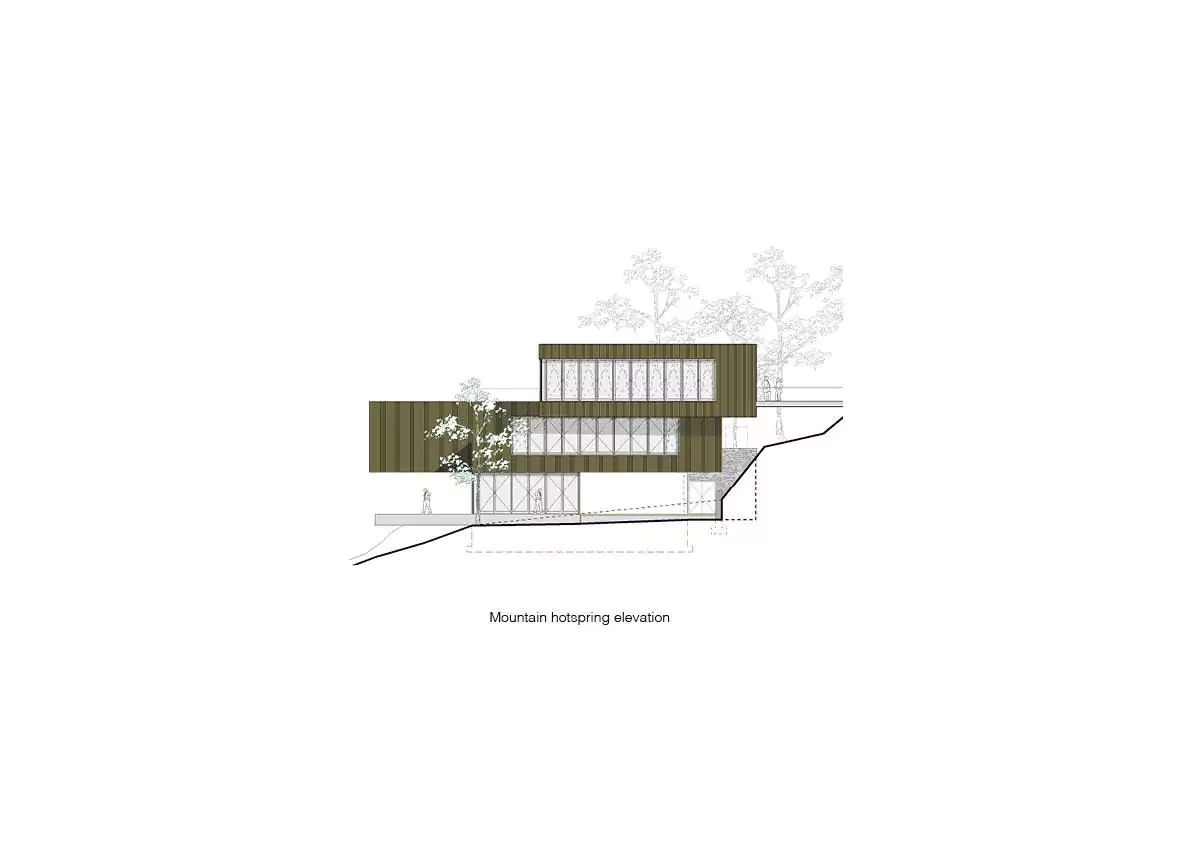
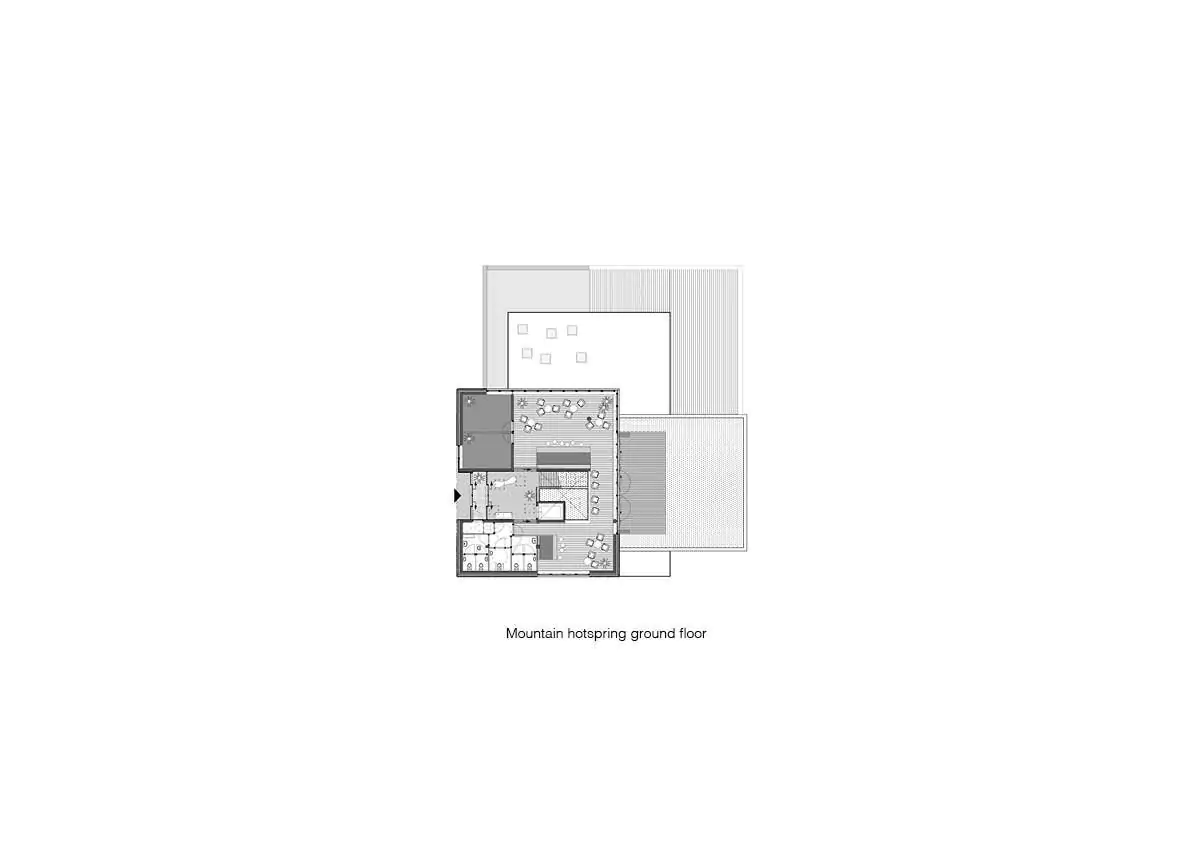
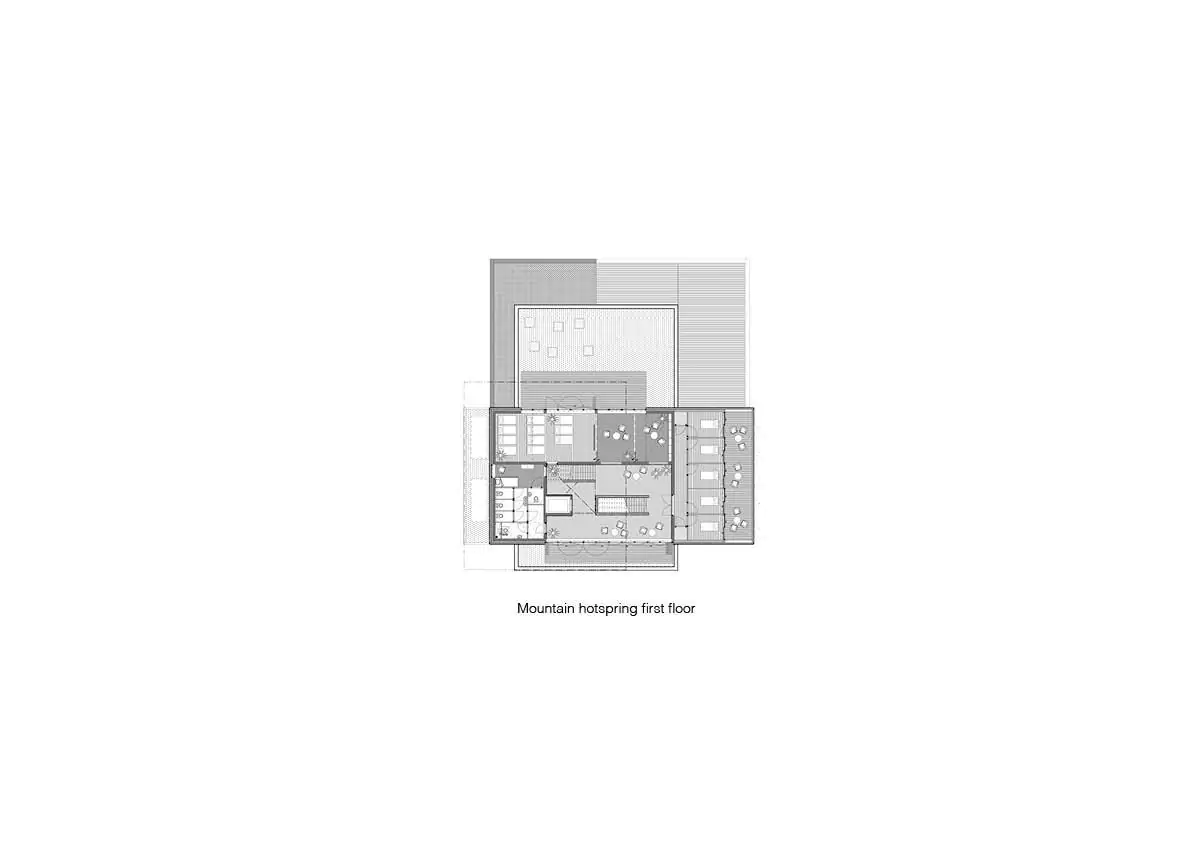
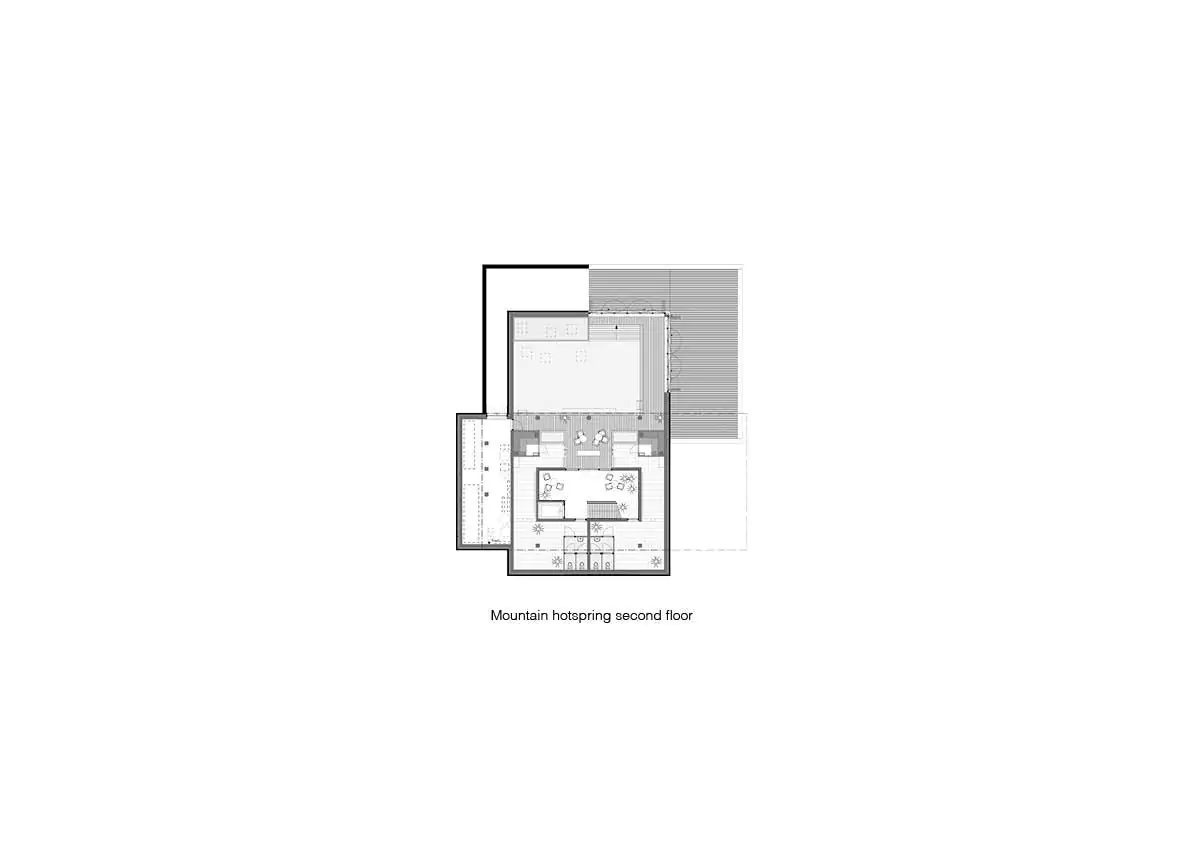
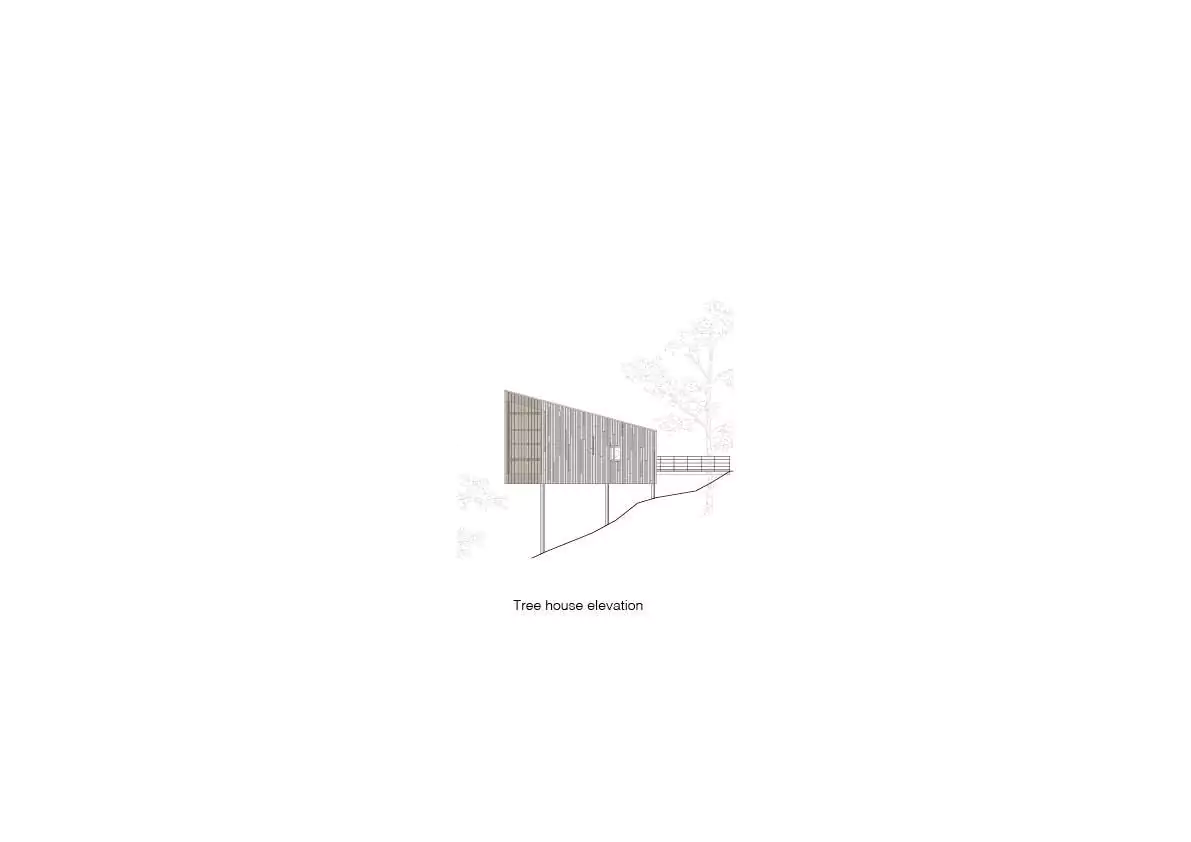
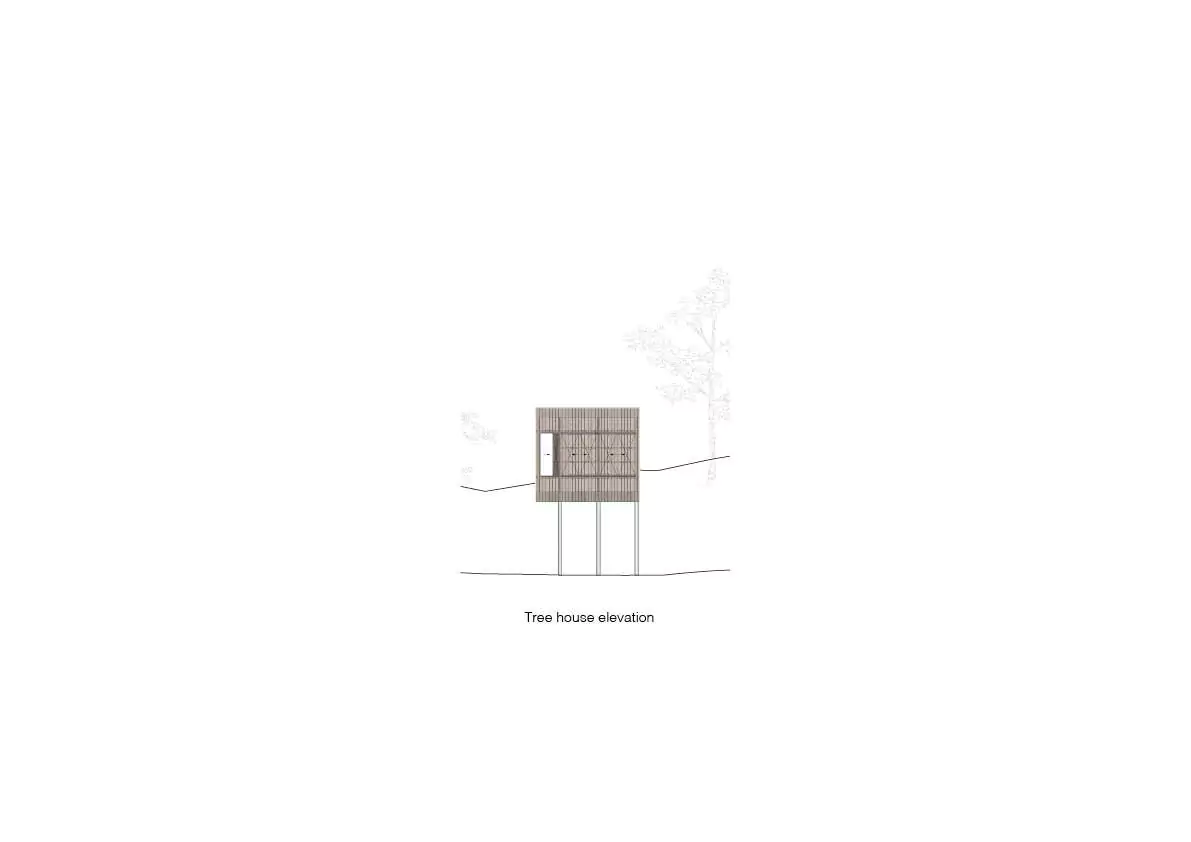
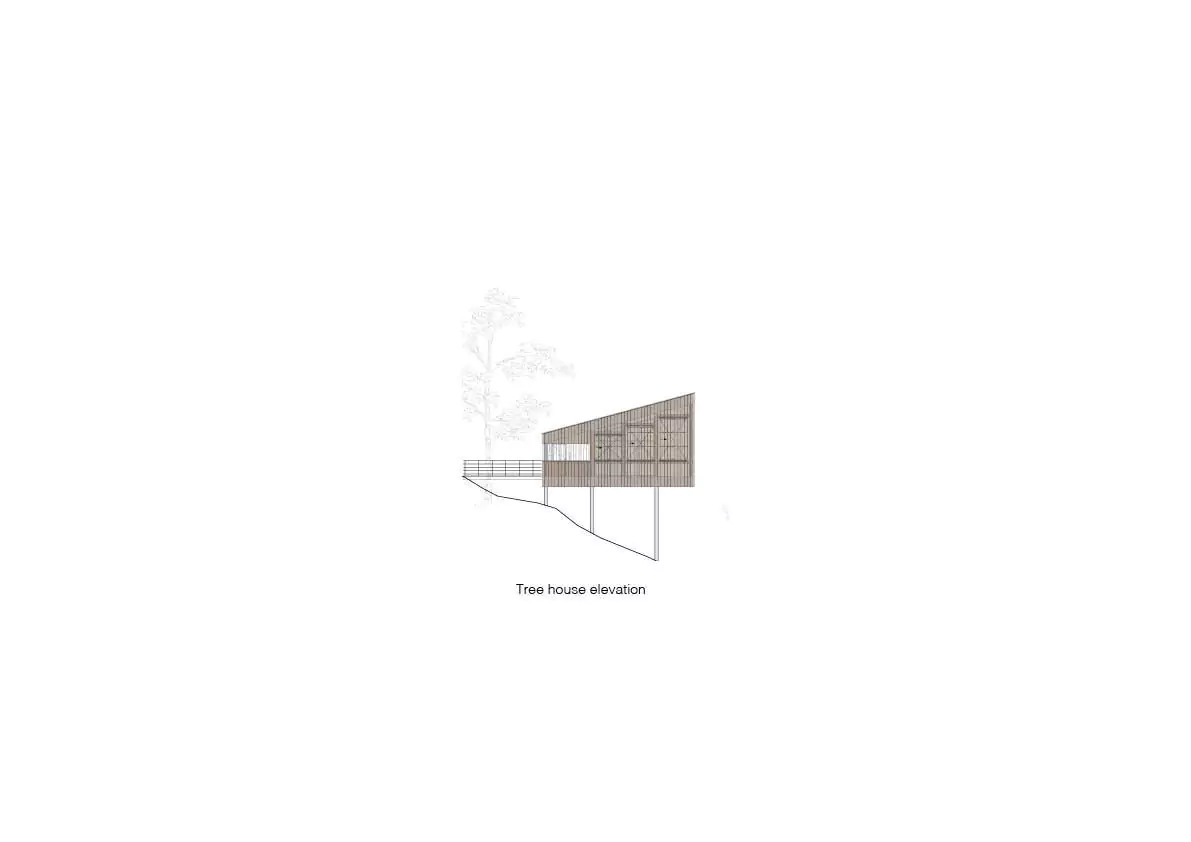
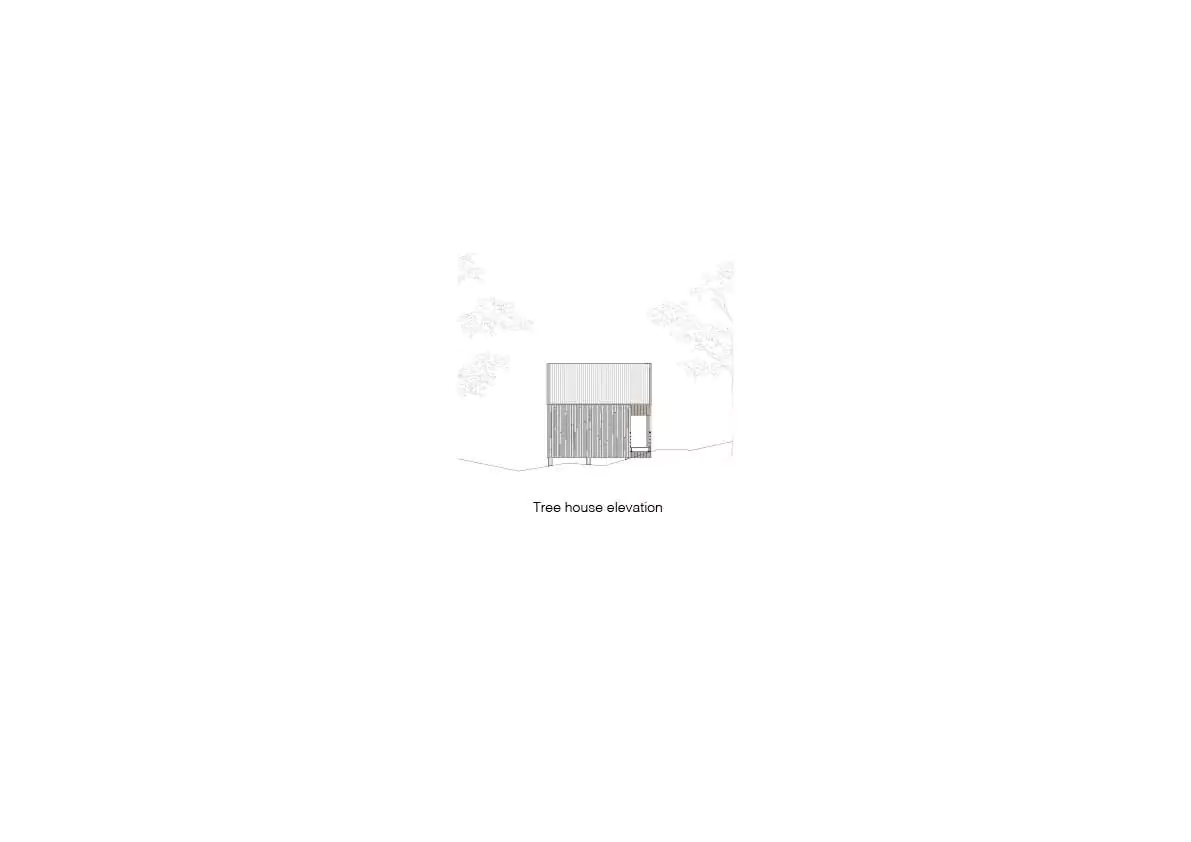
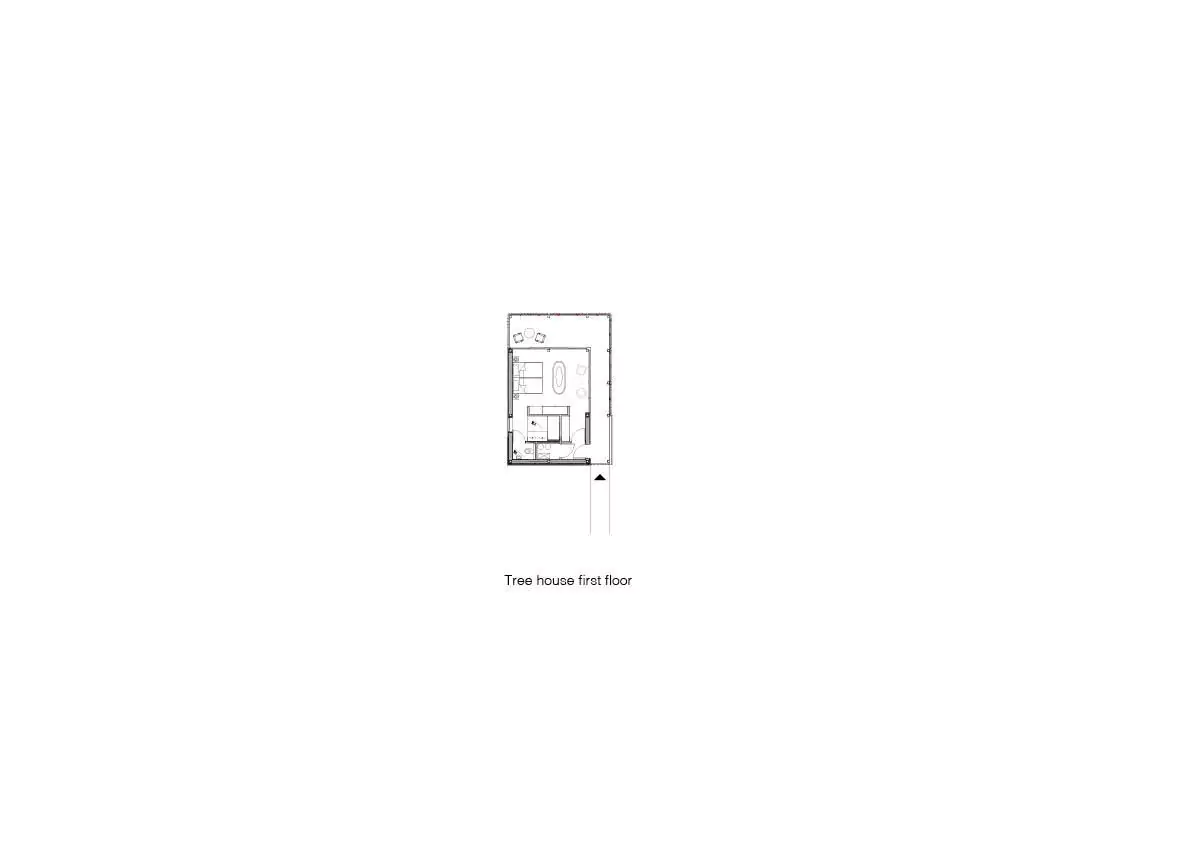
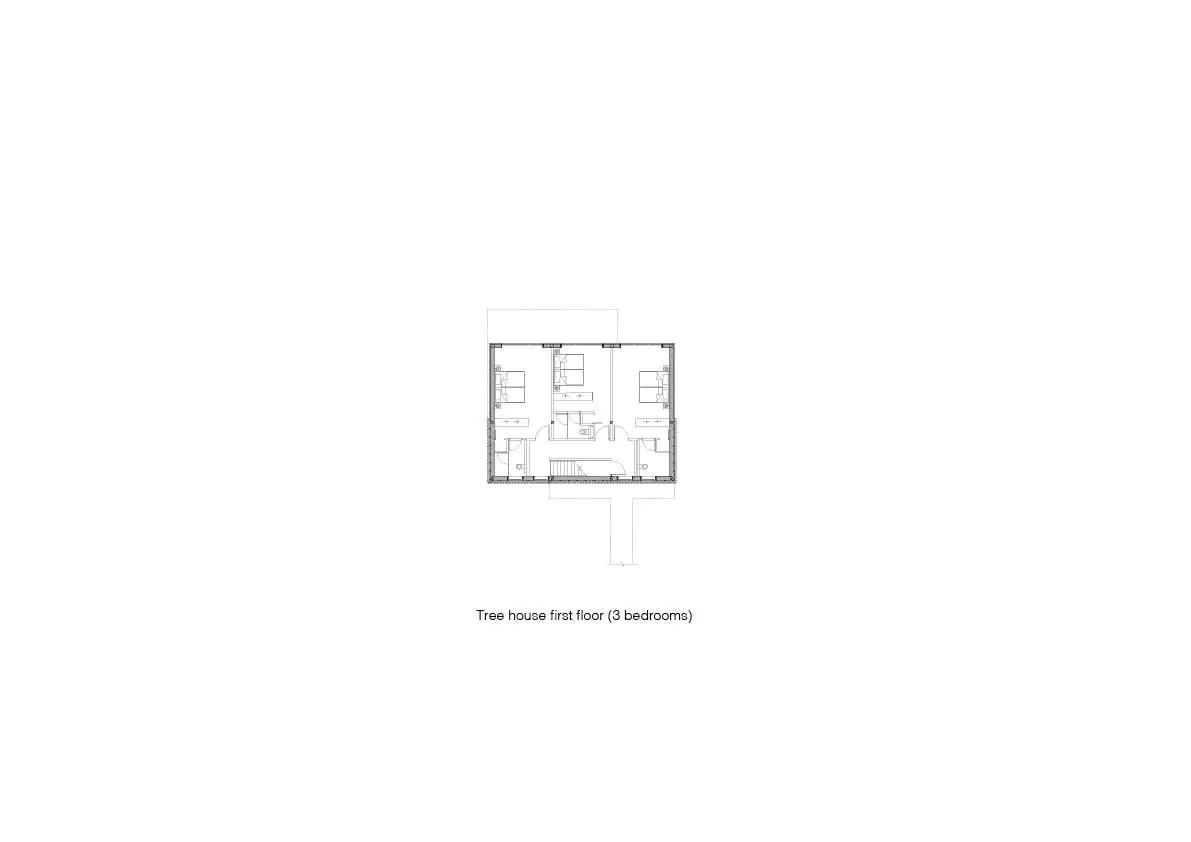
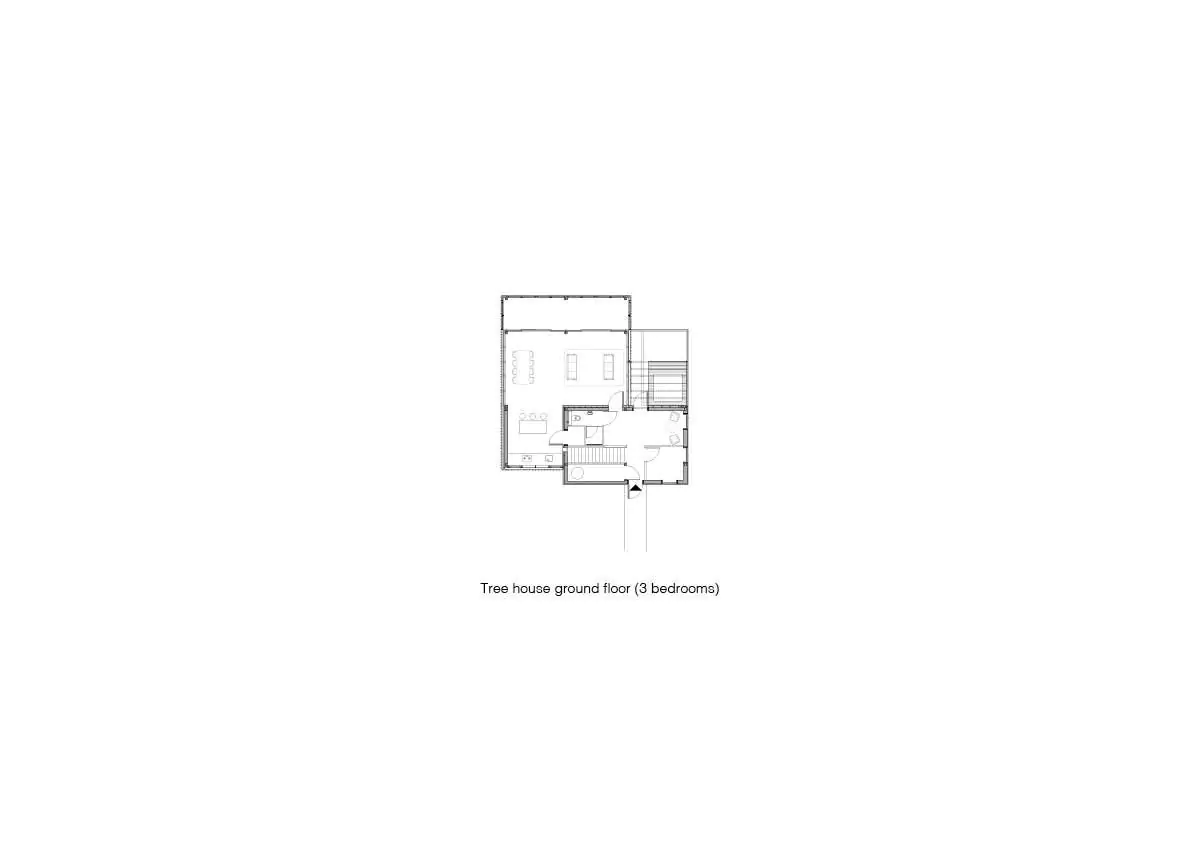
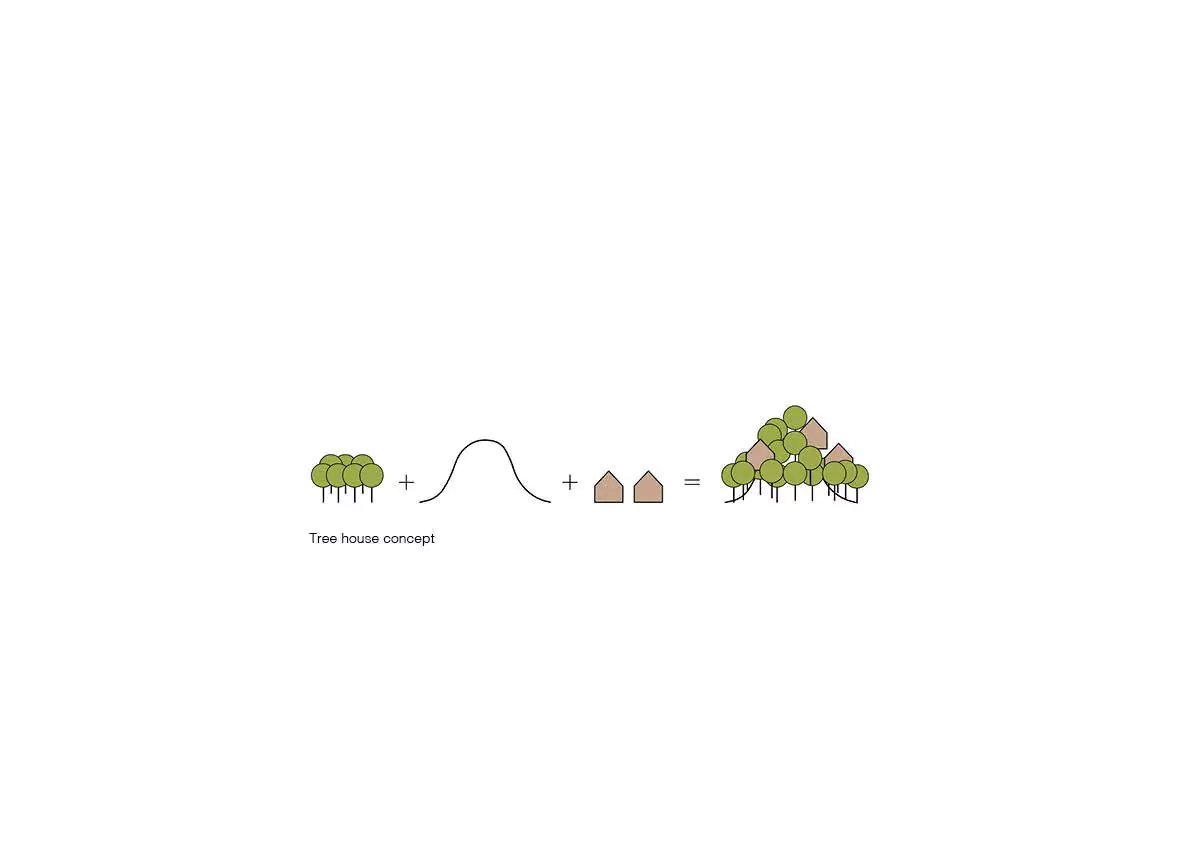
The resort is immersed in the heart of Longtan Forest, the city’s most beautiful natural spot. Four natural elements were combined in this project: forest, tree houses, hot springs and mountains. The 31 tree houses are cleverly set so that they blur as much as possible into the Nanshan jungle and were all built with natural materials. The resort provides pools of hot springs that flow along the mountains carrying clear and mild water. These pools were also made independently from one another, to ensure the visitants’ privacy. The overall feedback given by the occupants is that the resort has a fresh, natural and cozy vibe.

The Meijie Mountain Resort Villa is suitable for commercial gatherings and ecological tourism, as visitors are choosing to celebrate and reward a resort that follows green principles over others that don’t.

Architecture: Achterboschzantman Architecten

Images: Anna De Leeuw

Year: 2015

Area: 6000 m²

You may also like

Tackling Climate Change One Building At A Time

Climate change is a catalyst for profound economic and social shifts, intensifying existing challenges such as political instability, income inequality, and infrastructure strains. While it’s challenging to attribute any single event solely to climate change, it is clear that rising global temperatures and environmental shifts aggravate vulnerabilities in societies already facing issues like inadequate infrastructure, automation, and demographic shifts. As a slow-moving but transformative force, climate change amplifies these pressures, highlighting the urgent need for robust adaptation and mitigation strategies. But what is climate change? The weather can

Read More »
""

Biohabitability: The Awaiting Revolution

Biohabitability is a discipline that studies, measures and evaluates the environmental factors that impact our health. Biohabitability describes spaces that achieve to be livable from a human biology point of view. Applying biohabitability is all about learning how our organism works and applying it to our indoors to obtain biotic spaces. The technological advances made in construction during the past decades have, accidentally, been working in the opposite direction. This has raised the need to bring forward biohabitability in our built environment. “Health is the unit that gives

Read More »
""

Casa Eames, la primera casa prefabricada

Case Study Houses fue una iniciativa patrocinada por la revista Arts&Architecture, en Los Ángeles, para diseñar casas modelo baratas y eficientes. Esta propuesta se llevó a cabo en 1945, en un contexto de posguerra, en el que eran protagonistas la escasez de recursos y la creciente demanda residencial por el regreso de millones de soldados. De entre los veinticinco modelos que se crearon, la casa Eames (originalmente conocida como Case Study House Nº8) fue la más exitosa y marcó un paso evolutivo en la historia de la arquitectura

Read More »

Leave a Comment

Your email address will not be published. Required fields are marked *

Scroll to Top