Energy Campus Leeuwarden

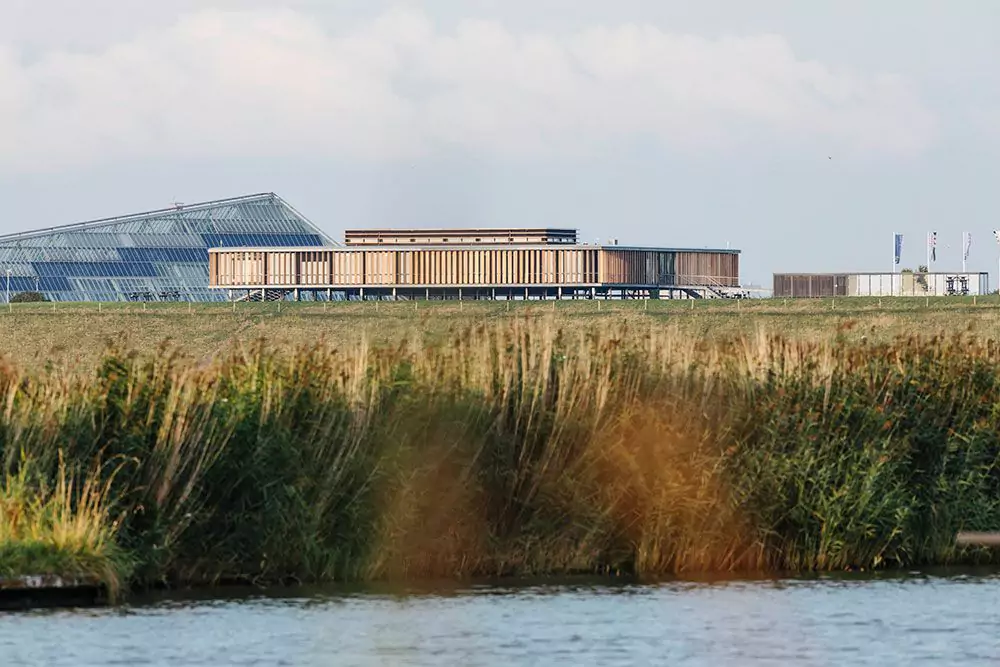
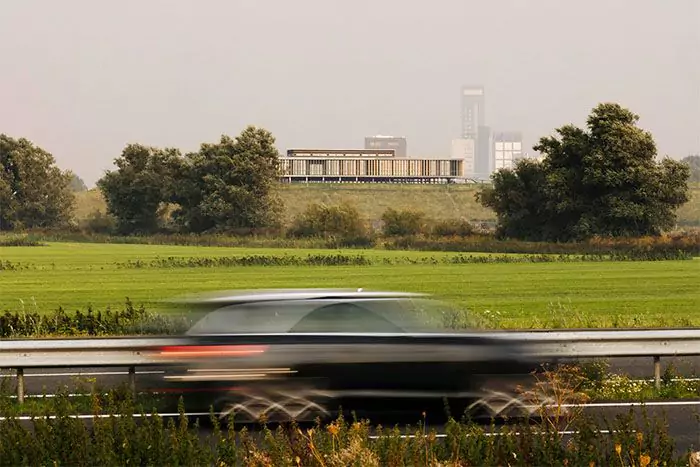
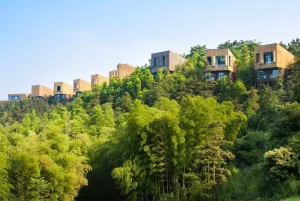
This environmentally sustainable and circular office is more than just a building. It is a meeting place and platform for renovation and innovation in today’s energy issues. The Energy Knowledge Center is located on a former landfill site, in the middle of the new Energy Campus Leeuwarden. This building is part of the campus and works as a knowledge center for development and innovation in the sustainable energy field.

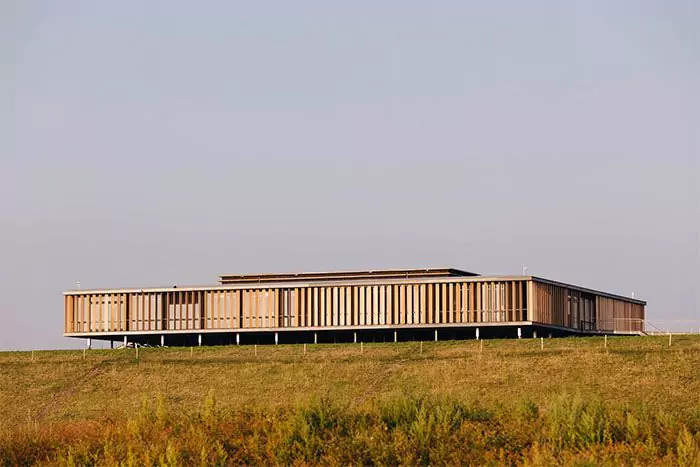
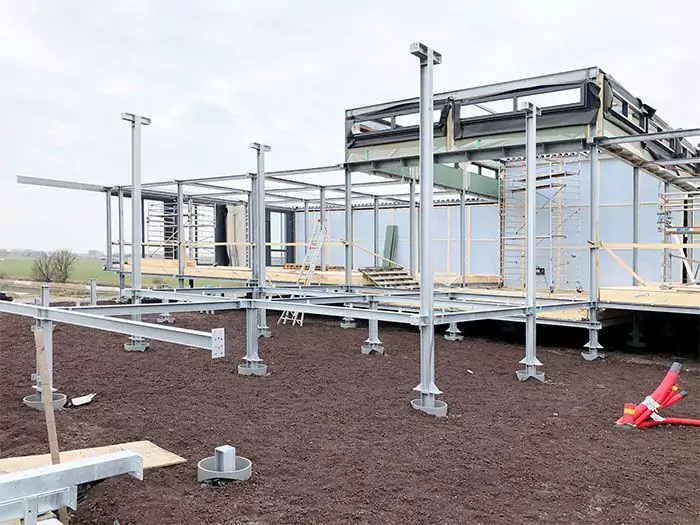
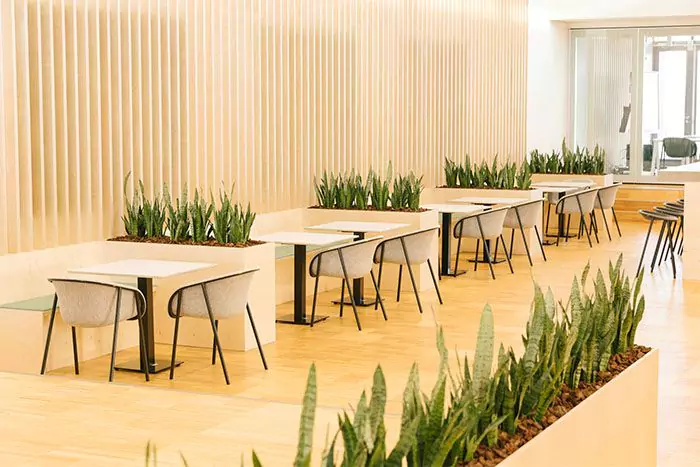
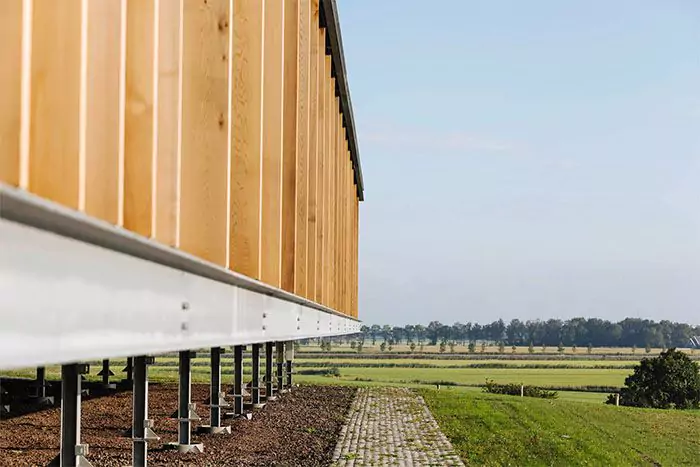
One of the conceptual pillars of this project was circularity. The construction is placed on 108 individually adjustable columns. For one, this prevents damage to the building if the former garbage dump were to move or subside, reduces the footprint surface and makes the building dismountable. Having it elevated 1,5m from the floor additionally gives it a pleasant pavilion-like aesthetic. Keeping circularity in mind, materials were carefully selected putting special attention to re-use. Thanks to the use of solar panels and heat pumps, the building is completely energy neutral, and the polluting gasses emitted from the former garbage dump inside the hill are collected and used for heating. Other features that have been taken into account to further reduce environmental impact, are the flexible indoor layout and the simple expandability if it were to be expanded in the future.

The Energy Knowledge Center is the first of its kind and shows how buildings can not only aim for low environmental impact but can also help regenerate environments that have been depleted by mankind.

Architecture: Achterbosch Architecten

Images: Tristan Fopma

Year: 2017

You may also like

Can AI and Sustainable Construction Truly Coexist?

The rise of artificial intelligence in architecture is being a fascinating journey, filled with promise but also with pressing questions about sustainability. AI has the potential to reshape how we design, model, and plan our built environments. Yet, there’s still an unsettling issue to be resolved: the immense energy demand of AI systems. Can we truly integrate AI into sustainable construction, or are these two concepts fundamentally at odds? A couple of months ago I came across a post by Patric Hellermann on Linkedin, and learned about a

Read More »
""

Cam Thanh Community House

The community center in Cam Thanh, to the south-east of Hoi An, was built to generate social connections to prompt the area’s development. Hoi An has an UNESCO-protected city center and a charming coastline that makes it a popular touristic area for both national and international visitors. Cam Tanh, is known for its thick forests, crisscrossed waterways and small looming villages, but its geographical location makes it hard for the area to develop. Despite its huge biodiversity potential and ancient craftsmanship economy, it’s an area with a low

Read More »
""

Santalaia Building: the largest vertical garden in the world

A vertical garden may seem like simply putting plants on a wall but it goes much further, particularly the one in Santalaia Building. Paisajismo Urbano, the installers of the vertical garden, tell us it’s not a gardening system but a system of applied biology, based on inter-species knowledge and knowing how plants work. The whole installation hosts more than 100 000 plants and every species was carefully placed to optimize the interaction amongst plants, funghi and bacteria. The selection of those species was defined by the climate, geographic location

Read More »

Leave a Comment

Your email address will not be published. Required fields are marked *

Scroll to Top