Wait — did that emission even count?
When you run a Life Cycle Assessment (LCA), the results often arrive with a satisfying number in kilograms or tons of CO₂ emitted. But here’s the catch: that number might be misleading. Not all CO₂ emissions are the same, and treating them as interchangeable can lead to misleading conclusions about your building’s impact.
In fact, the source of carbon emissions is just as important as the amount. To make truly informed decisions, we need to understand the three main types of carbon we encounter in an LCA: fossil, biogenic, and LULUC. Each one tells a different story about time, storage, and impact. And they affect how materials like wood, concrete, or bamboo show up in your carbon accounting.
Let’s go through all three of them.
Fossil CO₂: the one we all know (and fear)
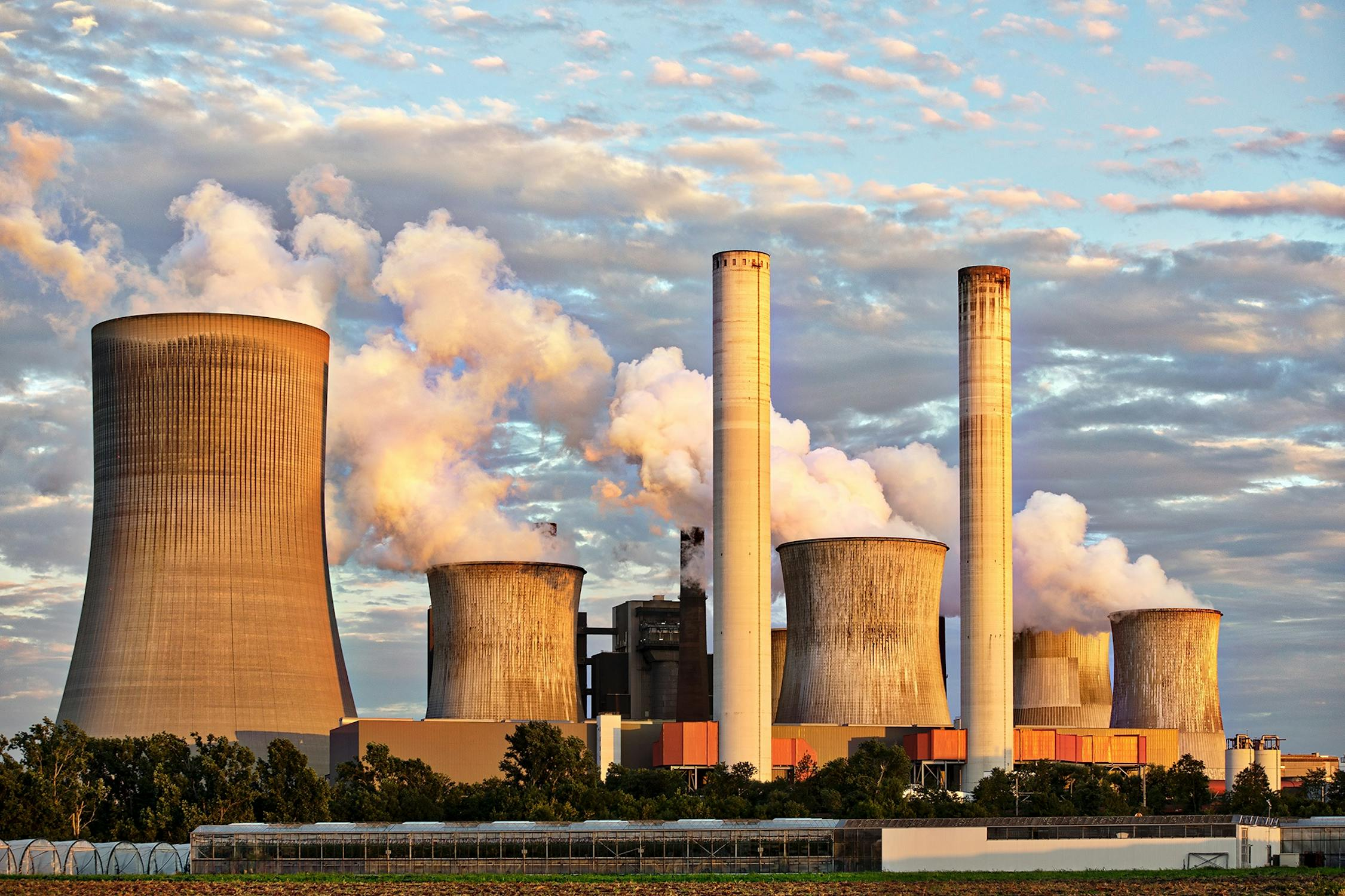
This is the CO₂ released from burning fossil fuels — coal, oil, natural gas. These carbon sources have been buried underground for millions of years and would have remained there without human intervention. When we extract and burn them, we inject “new” carbon into the atmosphere, carbon that was otherwise locked away.
This is the kind of carbon that drives climate change the most directly. It’s the top priority to reduce or eliminate, and it’s typically what people mean when they talk about “carbon emissions”.
Biogenic CO₂: part of the natural cycle
Biogenic carbon comes from materials of recent biological origin like wood, straw, or other plant-based products. These materials absorb CO₂ from the atmosphere as they grow, and eventually release it again when they decompose, burn, or are otherwise processed. But unlike fossil carbon, this CO₂ is part of the natural carbon cycle — it was expected to return to the atmosphere within this geological era.
Because of this, biogenic emissions are not considered as urgent or harmful as fossil emissions. They don’t represent new carbon entering the atmosphere, but rather a temporary detour in the cycle.
The real opportunity lies in how long we can keep that biogenic carbon stored. When we use wood or other plant-based materials in buildings, we are essentially parking atmospheric carbon and delaying its return to the atmosphere for decades. This delay is valuable. It creates a time buffer that allows technologies like direct air capture technologies and permanent carbon storage to mature and scale.
That’s why regulatory frameworks increasingly focus on restricting fossil carbon and, in contrast, are beginning to incentivize biogenic carbon storage, recognizing its potential to contribute to climate mitigation when handled responsibly.

LULUC CO₂: the hidden cost of land
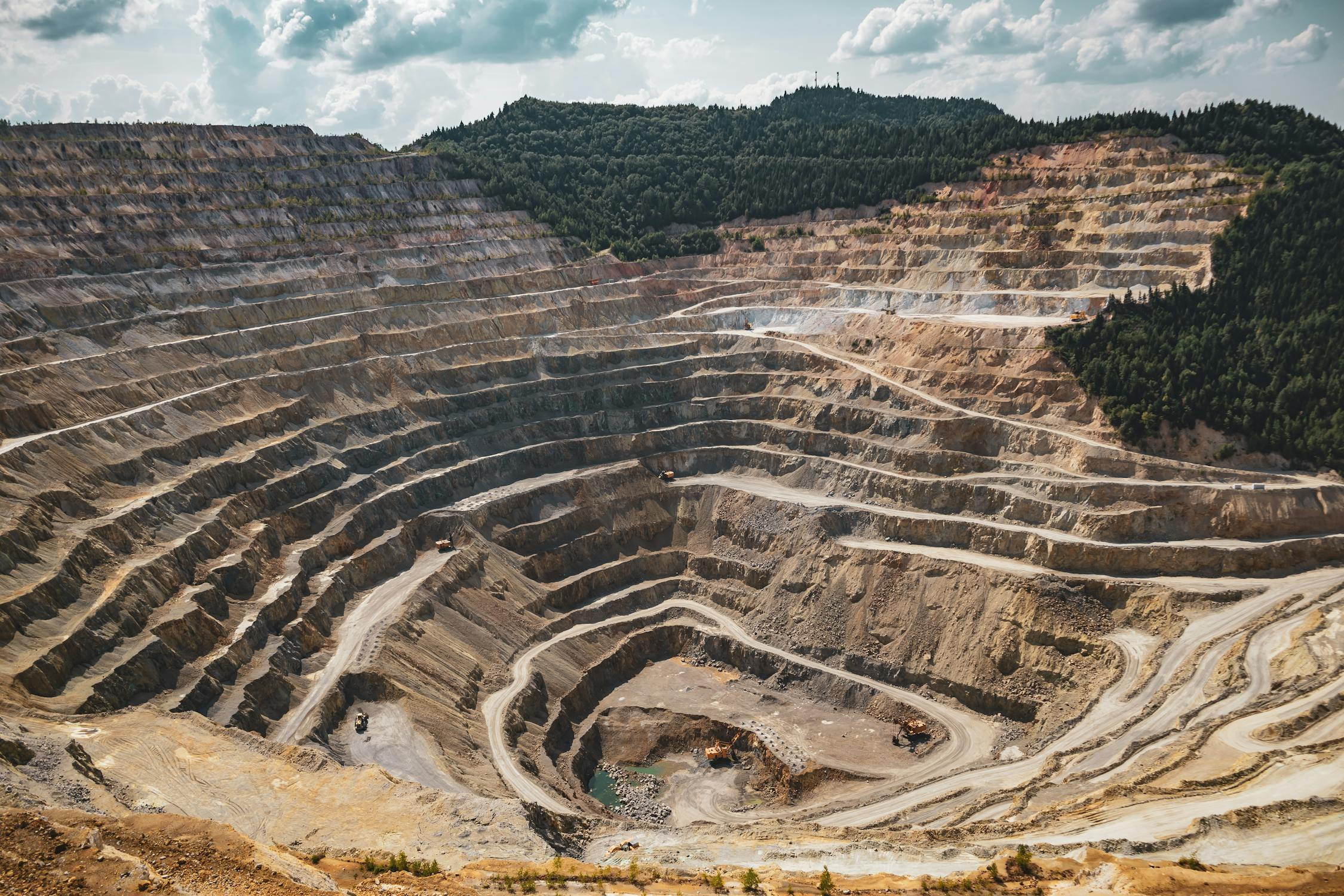
LULUC stands for Land Use and Land Use Change, and it reflects emissions (or removals) linked to the transformation of land. If a forest is cleared to plant crops or harvest materials, that change releases CO₂ stored in trees and soil. Conversely, if degraded land is reforested or better managed, it can become a carbon sink.
This type of carbon is often overlooked, but its impact should still be taken into account. A product made of bamboo or wood might seem “green,” but if it comes from deforested land or replaces a high-carbon ecosystem like wetlands, it can carry a heavy carbon debt.
What This Means for Your Practice
As architects and engineers, we don’t need to be carbon accountants, but we do need to ask the right questions.
Here’s how to apply this:
- When working with EPDs (Environmental Product Declarations): Look for whether fossil and biogenic carbon are reported separately. A material might appear carbon-neutral because of biogenic offsets, but still rely on fossil energy.
- When designing with wood or other plant-based materials: Consider how long the carbon will stay locked up in your building. Use long-lived materials, and plan for smart end-of-life scenarios (recycling, reuse, etc.) to keep that carbon out of the air.
- When sourcing materials: Investigate land origin and LULUC impact, particularly for large-scale natural materials. Even certified timber can vary in land-use history.
Carbon is no longer just a number. It’s a timeline, a cycle, a system. And in the world of LCA, detail matters. Distinguishing between fossil, biogenic, and LULUC carbon helps us tell a more accurate story of a building’s environmental footprint.
Because in the end, reducing emissions isn’t just about how much — it’s also about what kind.