In recent years, there’s been a significant push towards creating built environments that respect and integrate with the natural world. Two prominent approaches within this movement are Biophilic Design and Green Design. While they both share a commitment to nature, they differ in their core focuses and approaches.
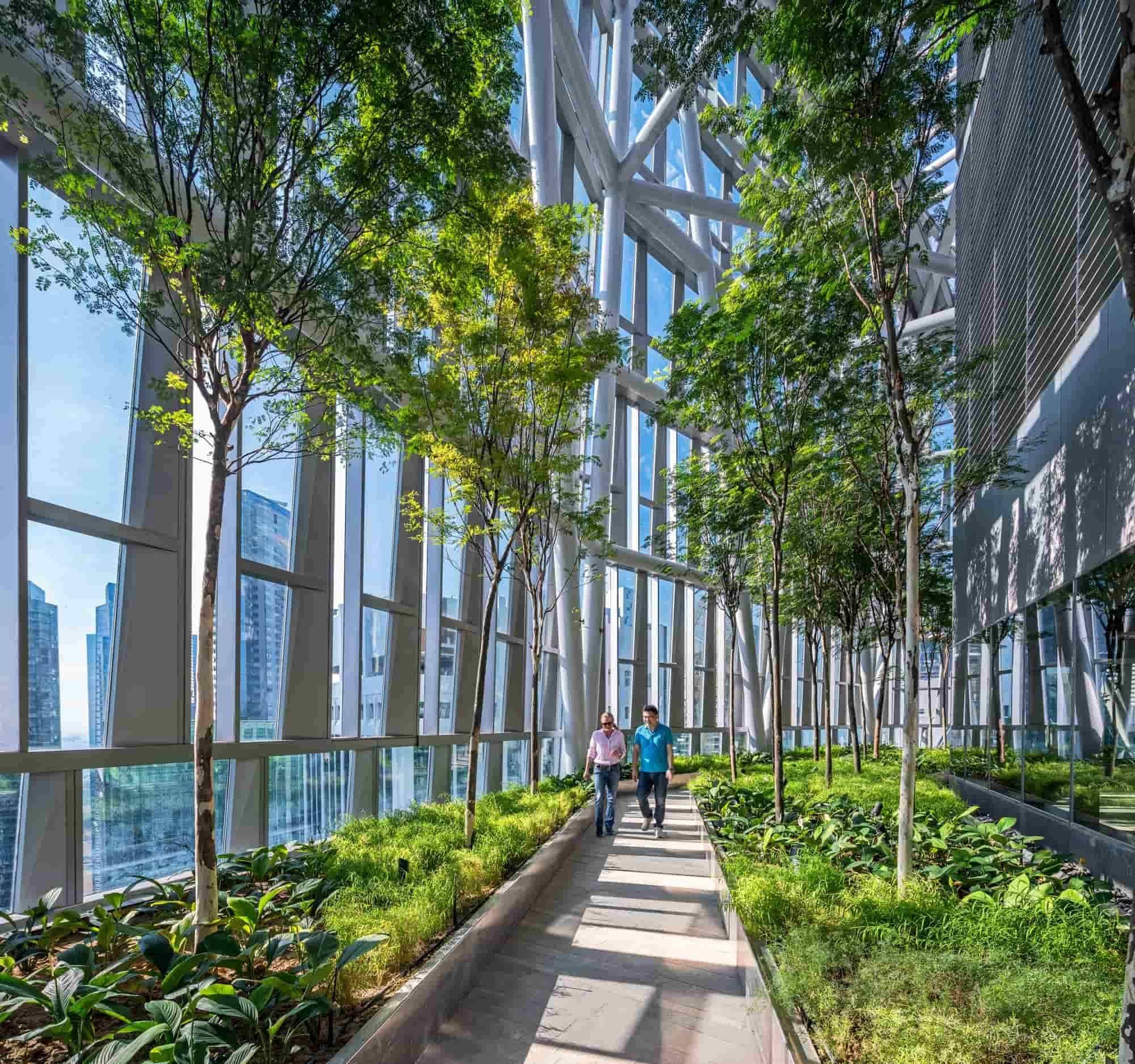
Green Design, also known as eco-design, prioritizes sustainability. It aims to minimize the environmental impact of buildings and infrastructure by using renewable resources, improving energy efficiency, reducing waste, and avoiding pollution. The movement has made substantial strides, making technologies like solar panels, geothermal heating, and recycled materials standard in modern construction. Green Design is fundamentally about reducing the ecological footprint of our built environment, ensuring that development meets present needs without compromising the ability of future generations to meet theirs.
On the other hand, Biophilic Design starts from the perspective of human experience. Born from the term “biophilia,” which suggests humans have an innate tendency to seek connections with nature, Biophilic Design aims to improve human well-being by incorporating natural elements into the built environment. This design philosophy includes using natural light, ventilation, water features, plants, and materials that evoke nature, as well as creating spaces that mimic natural forms and processes. The primary goal is to enhance physical and mental health, fostering a sense of well-being and satisfaction among occupants. Notably, many of these features -like natural light, ventilation, or material selection- align well with the principles of low-environmental impact and green design.
Despite radically different focuses, Biophilic Design and Green Design are interconnected. Both recognize the importance of preserving and valuing nature, although through different lenses. Green Design aims to protect the environment by reducing harm and conserving resources, while Biophilic Design seeks to bring the benefits of nature into everyday human experience, thereby fostering a love and respect for the natural world that can drive more sustainable behaviors. Biophilic design tends to produce buildings and décor that are sustainable, low impact, and respectful to nature, showing that human and environmental health are one and the same. In fact, the fundamental premise that Biophilic Design leads to more sustainable buildings, challenges the notion that humans are an inherently destructive force against nature. Instead, it suggests that when we design with nature -aka our well-being- in mind, we can create environments that are both sustainable and enriching. This perspective shifts away from viewing humans as a “weed species” that depletes natural resources and towards seeing us as capable of nurturing and enhancing the natural world.
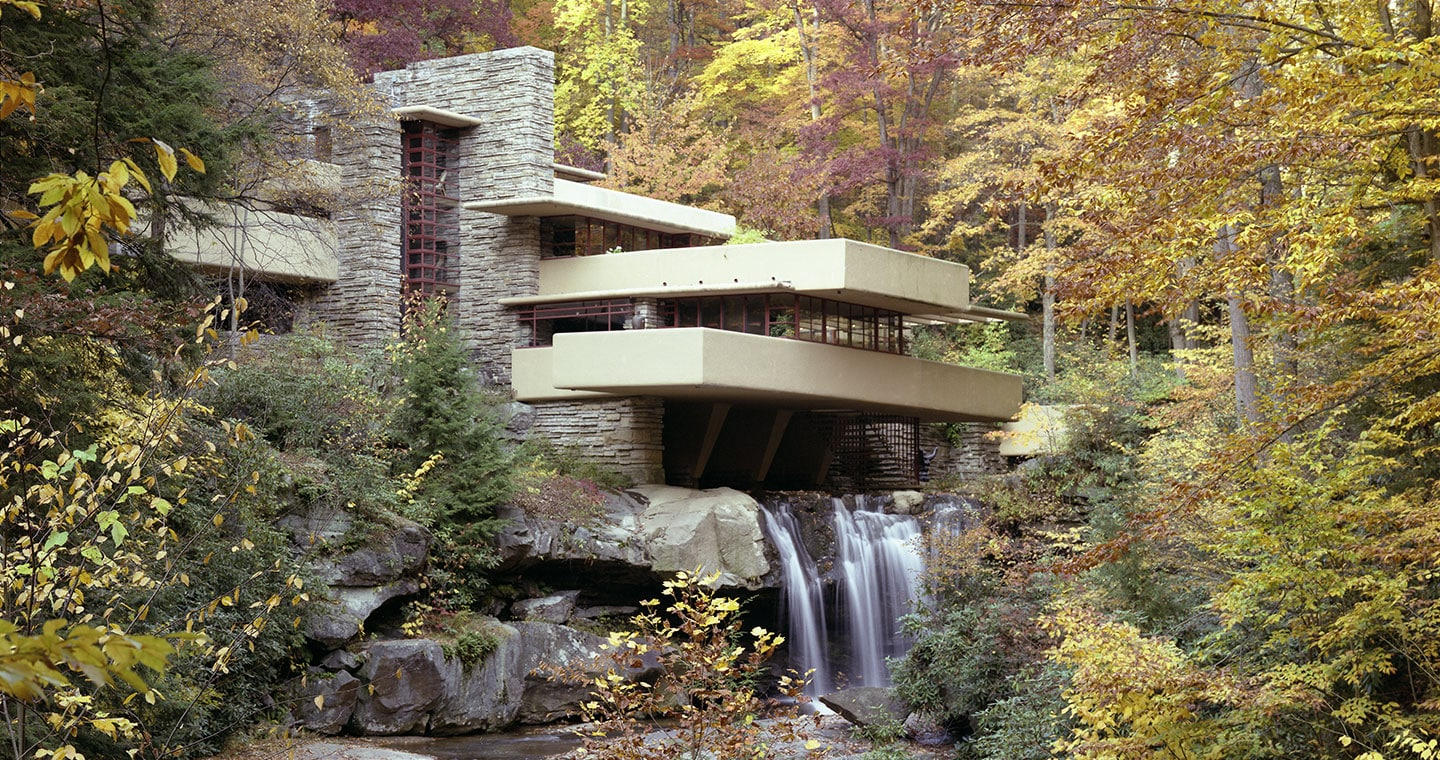
As mentioned, Biophilic and Green Design both recognize the importance of nature in our lives and advocate for its integration into our living spaces. This shared objective makes them integral parts of a broader movement known as Restorative Design. Restorative Design seeks to reconcile the built environment with the natural world, aiming to create spaces that are not only environmentally sustainable but also beneficial for human health and well-being. It encompasses two main objectives: minimizing harm to the environment and enhancing human experiences with nature. The first objective aligns with the principles of Green Design—reducing resource consumption, minimizing waste and pollution, and protecting ecosystems. The second objective aligns with Biophilic Design—creating spaces that foster a meaningful connection between people and nature. By merging these goals, Restorative Design advocates for an environment that supports ecological health while enriching the human experience. This synergy between Biophilic Design and Green Design highlights a fundamental truth: sustainable practices and human well-being are not mutually exclusive.
To wrap it up, biophilic design showcases that sustainable, low-impact, and nature-respectful buildings align human well-being with environmental health. This synergy between human interests and ecological preservation highlights our capacity to foster a harmonious relationship with nature. Despite our high consumption and development, humans are not destined to harm the environment. Quite the opposite, we possess the potential to enrich the natural world. This optimistic perspective aims to underline our potential to create a world where both people and nature thrive together.