
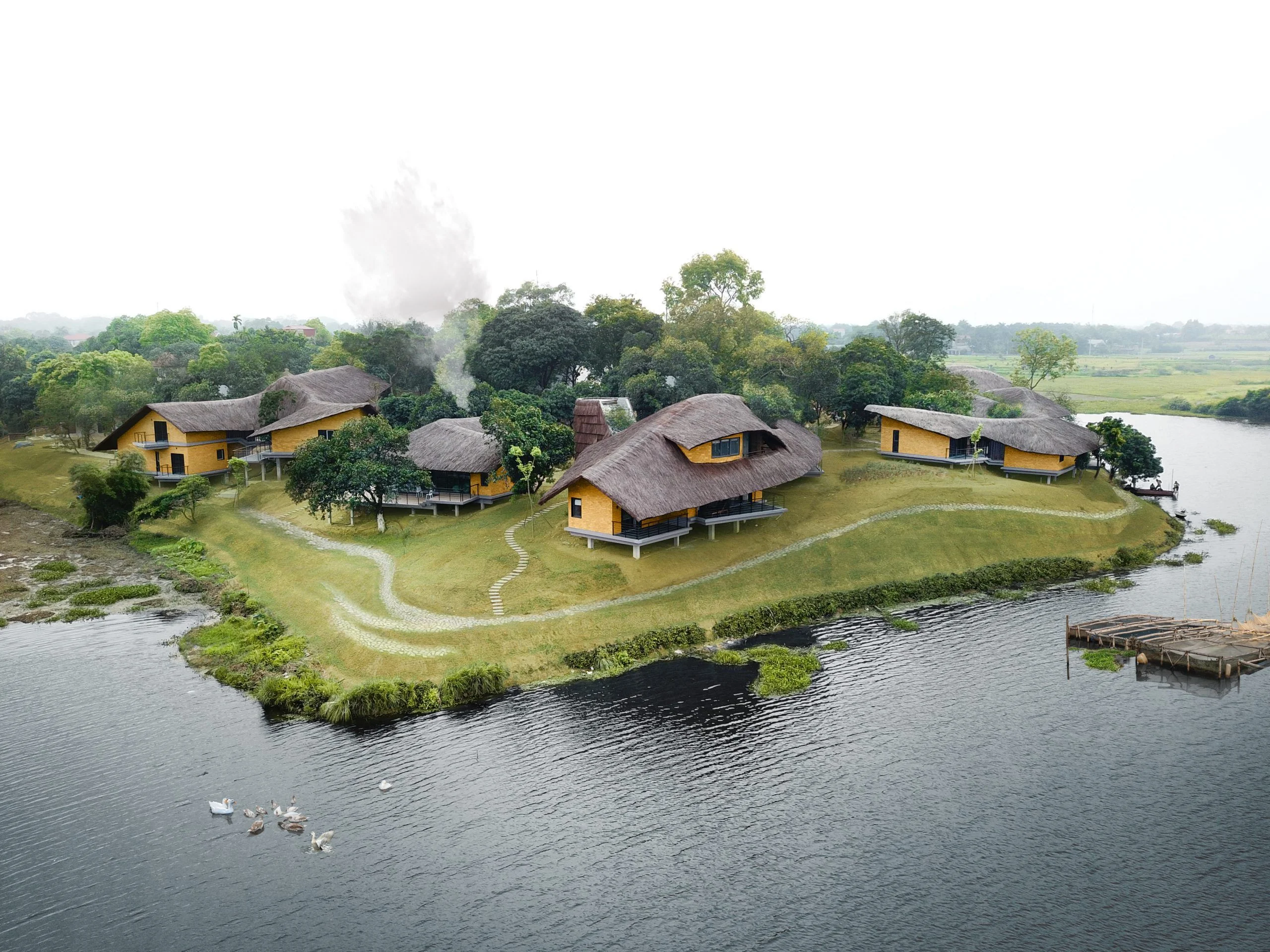
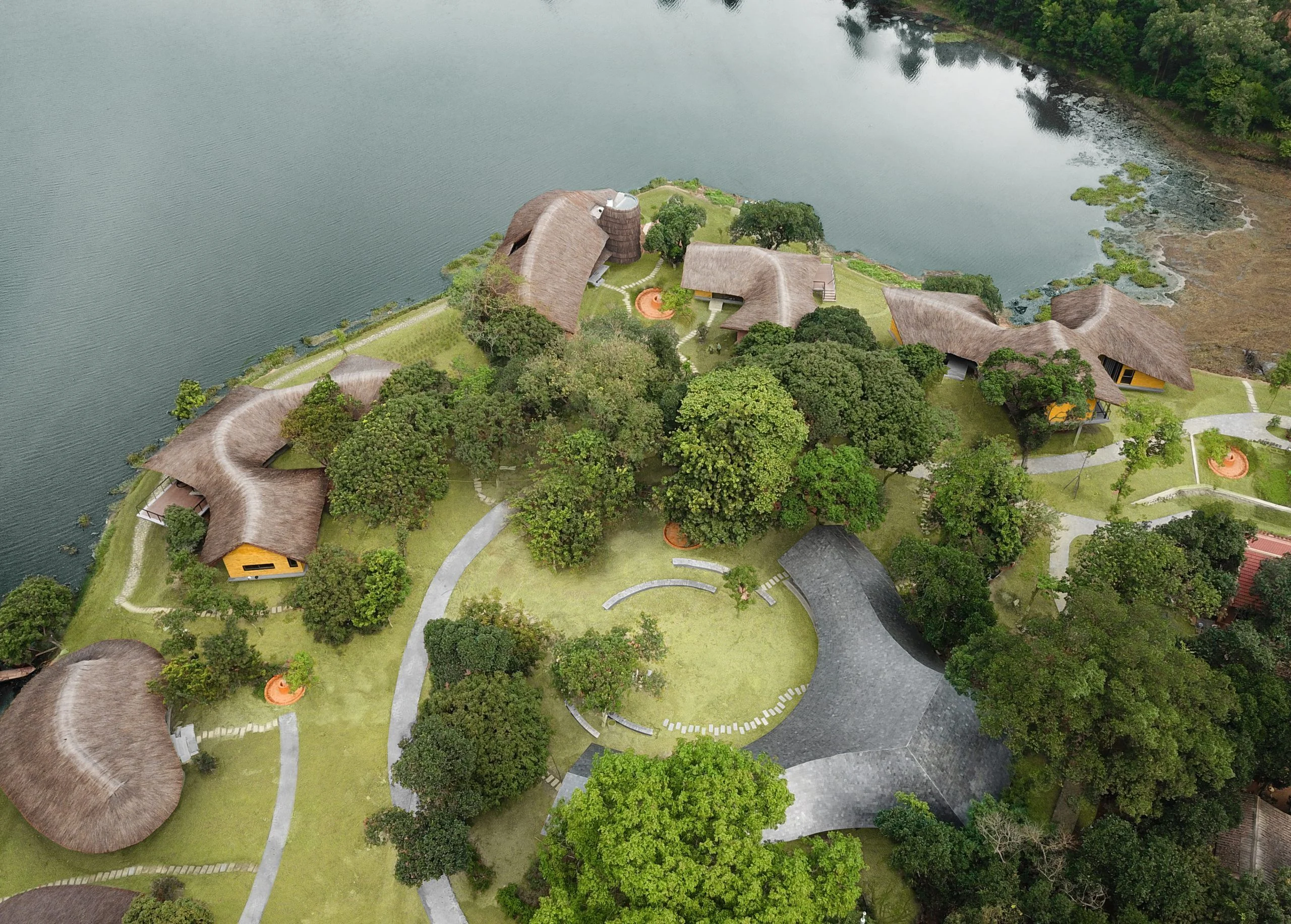
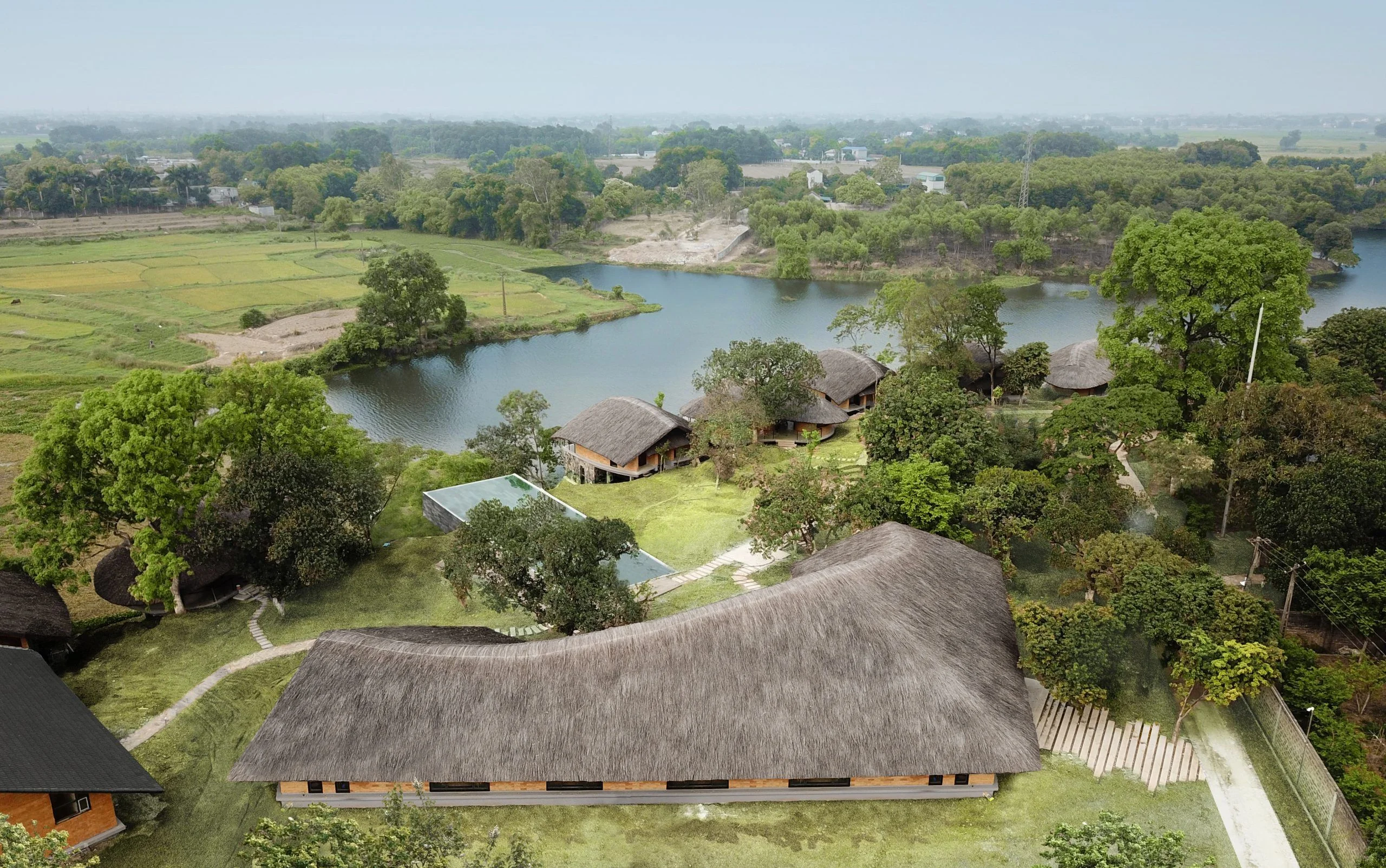
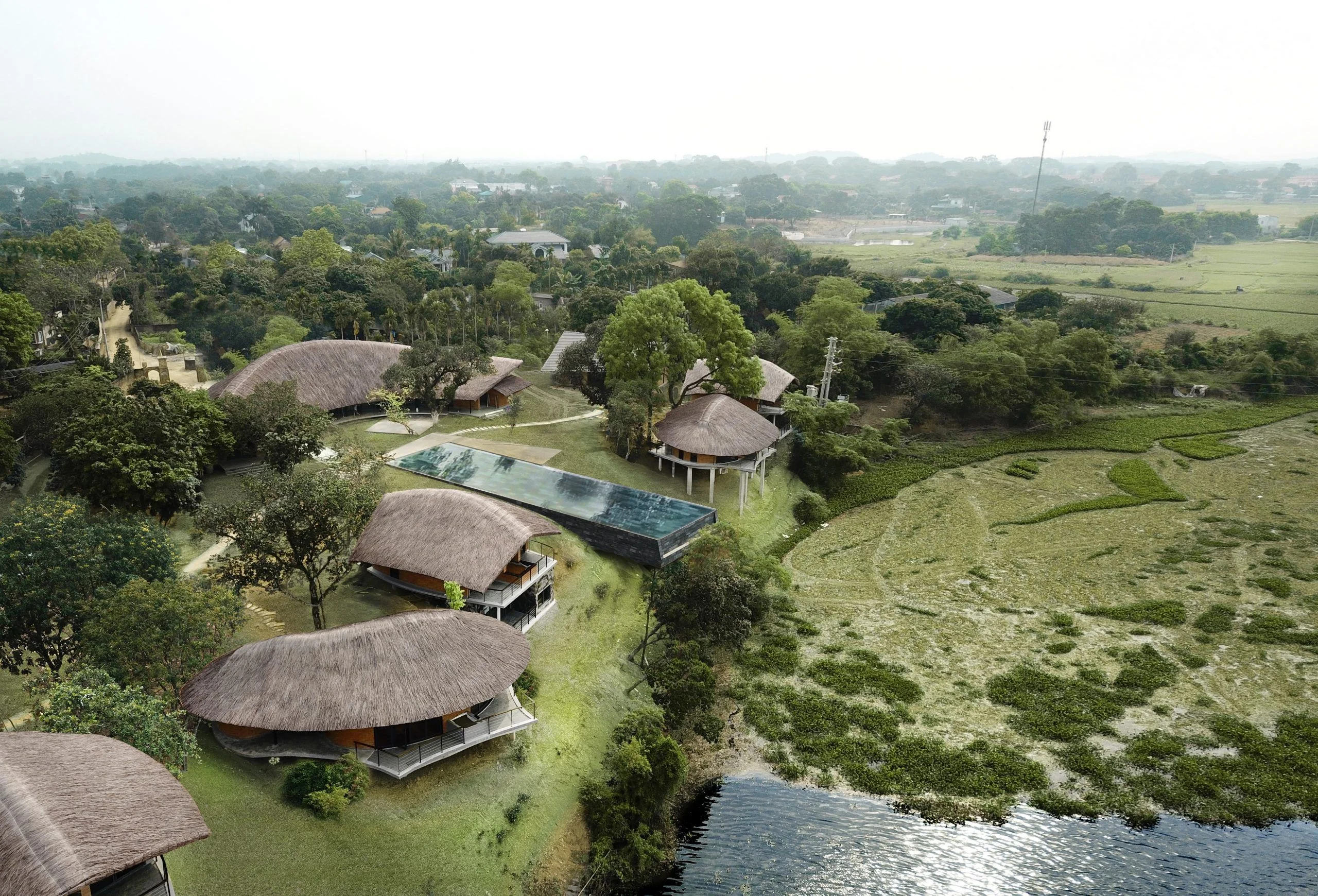
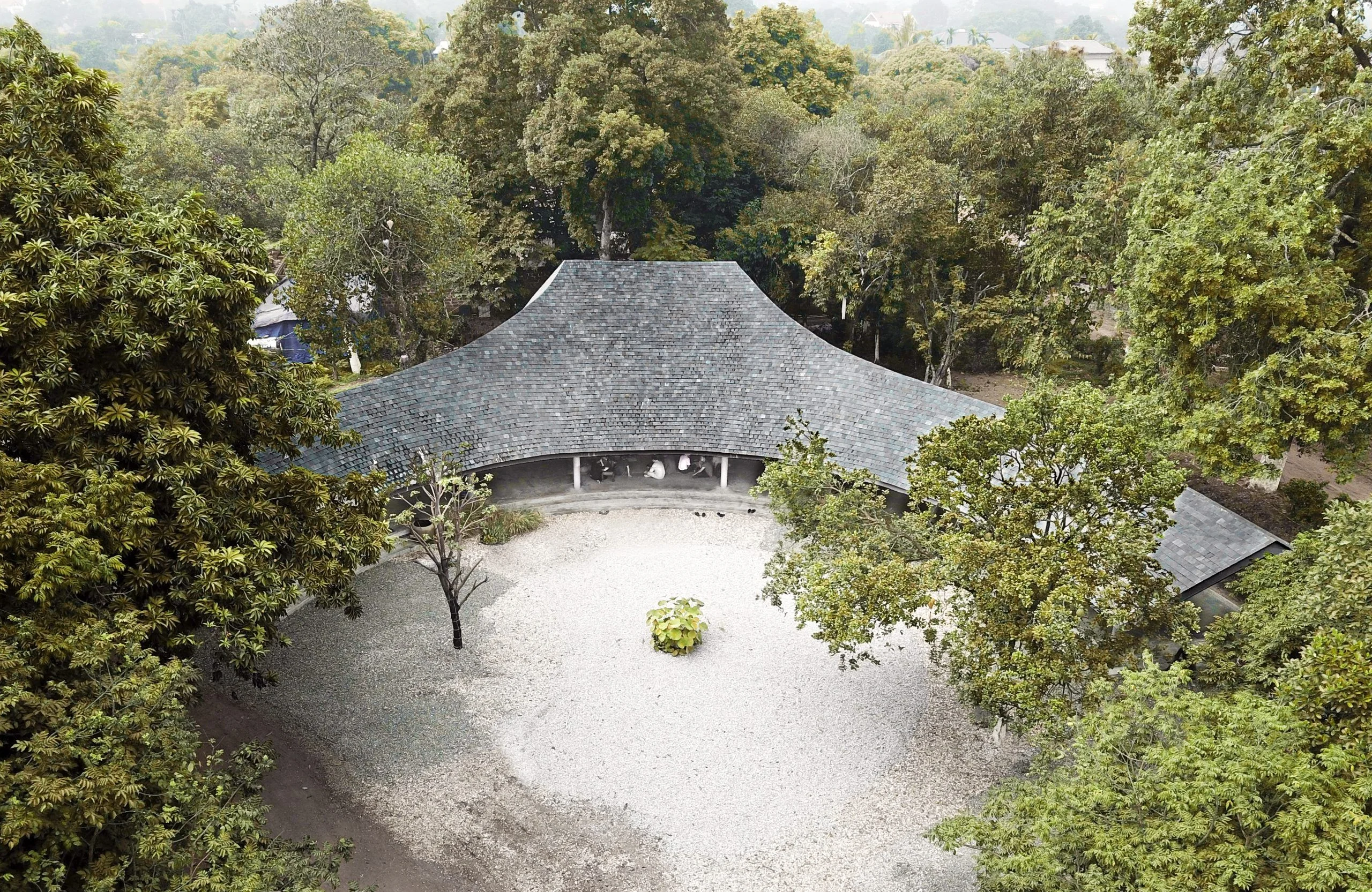
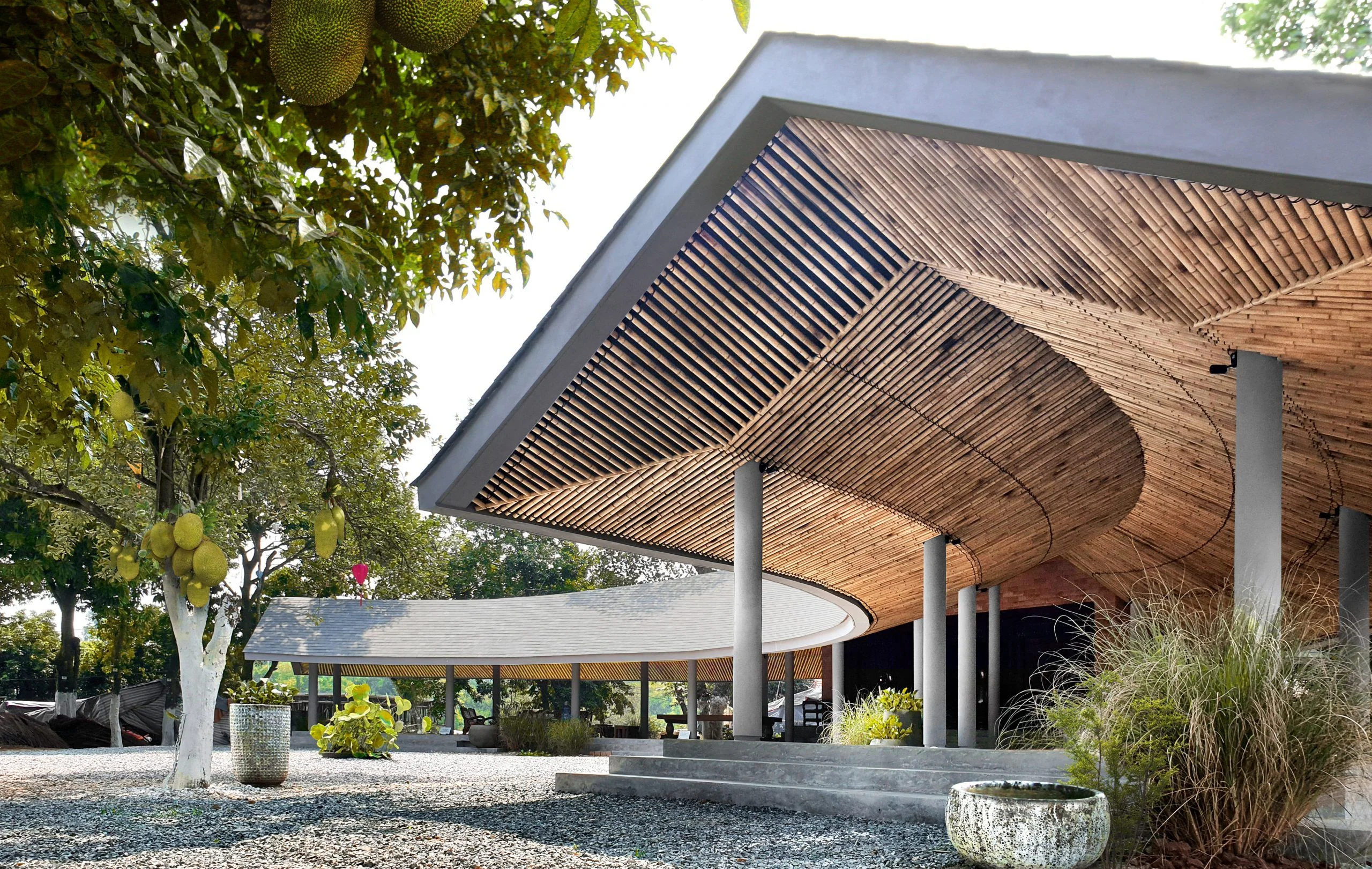
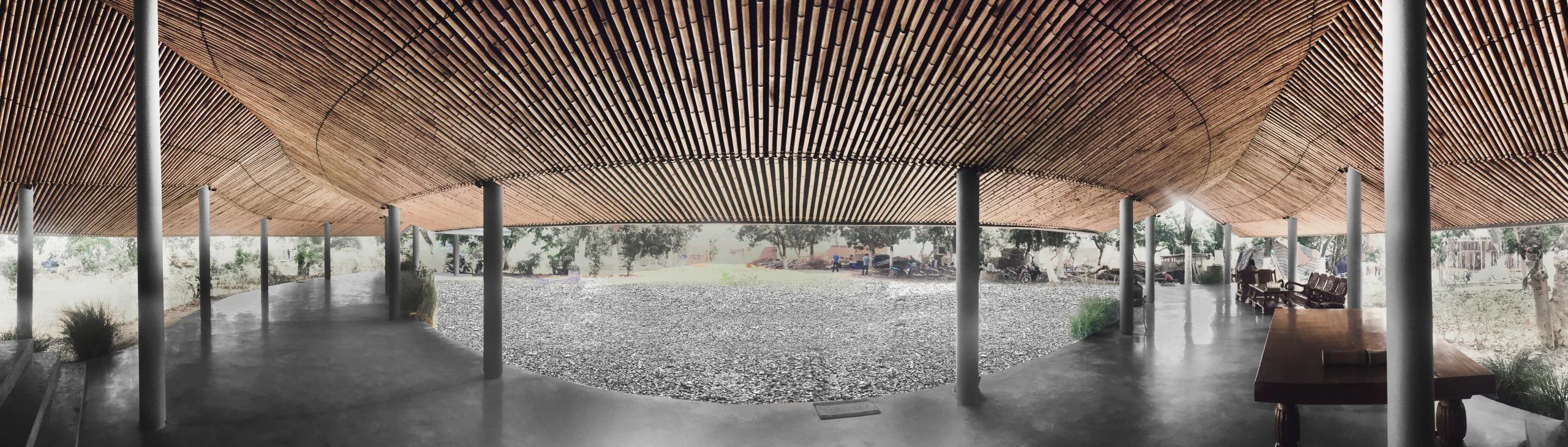
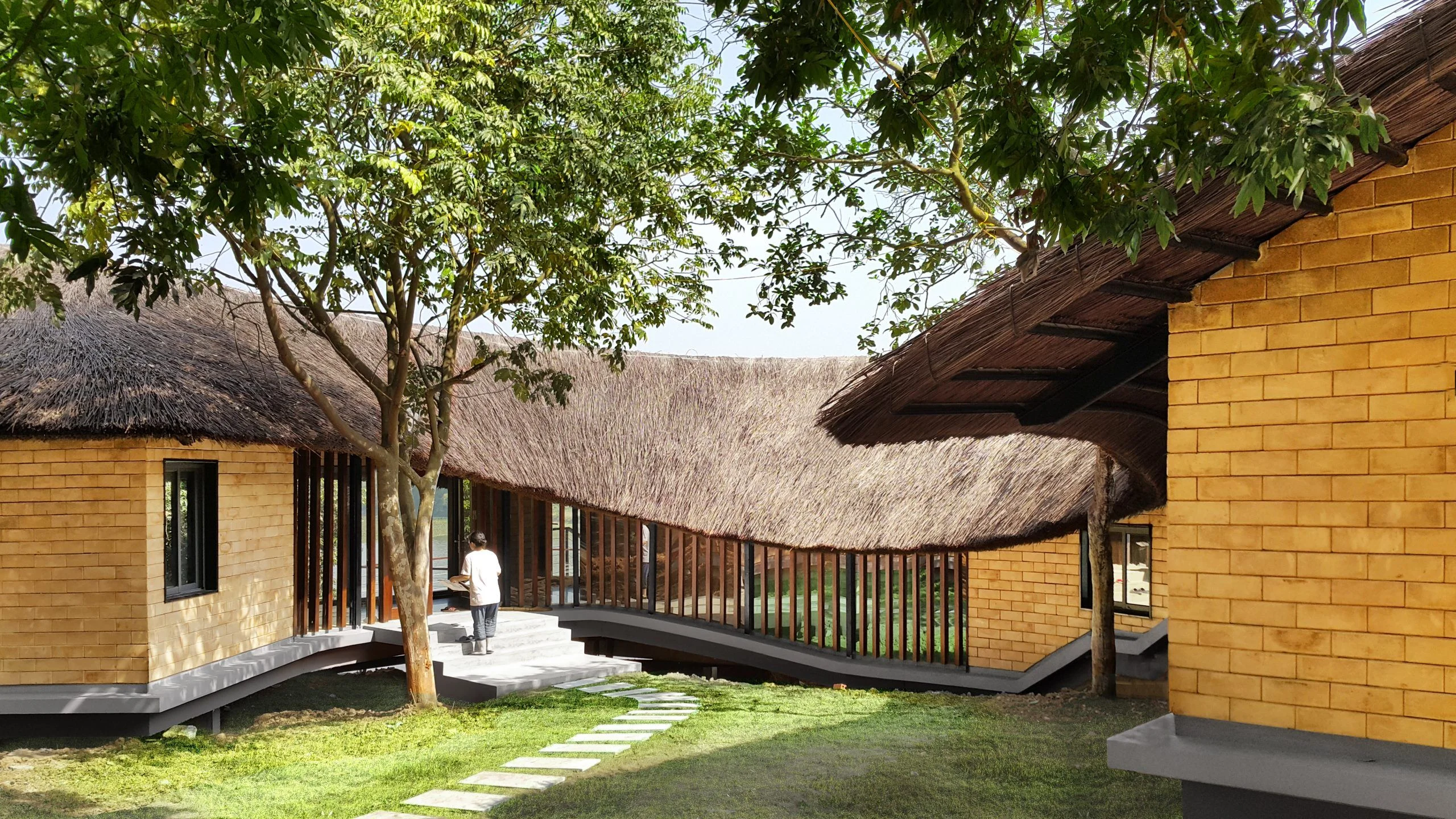
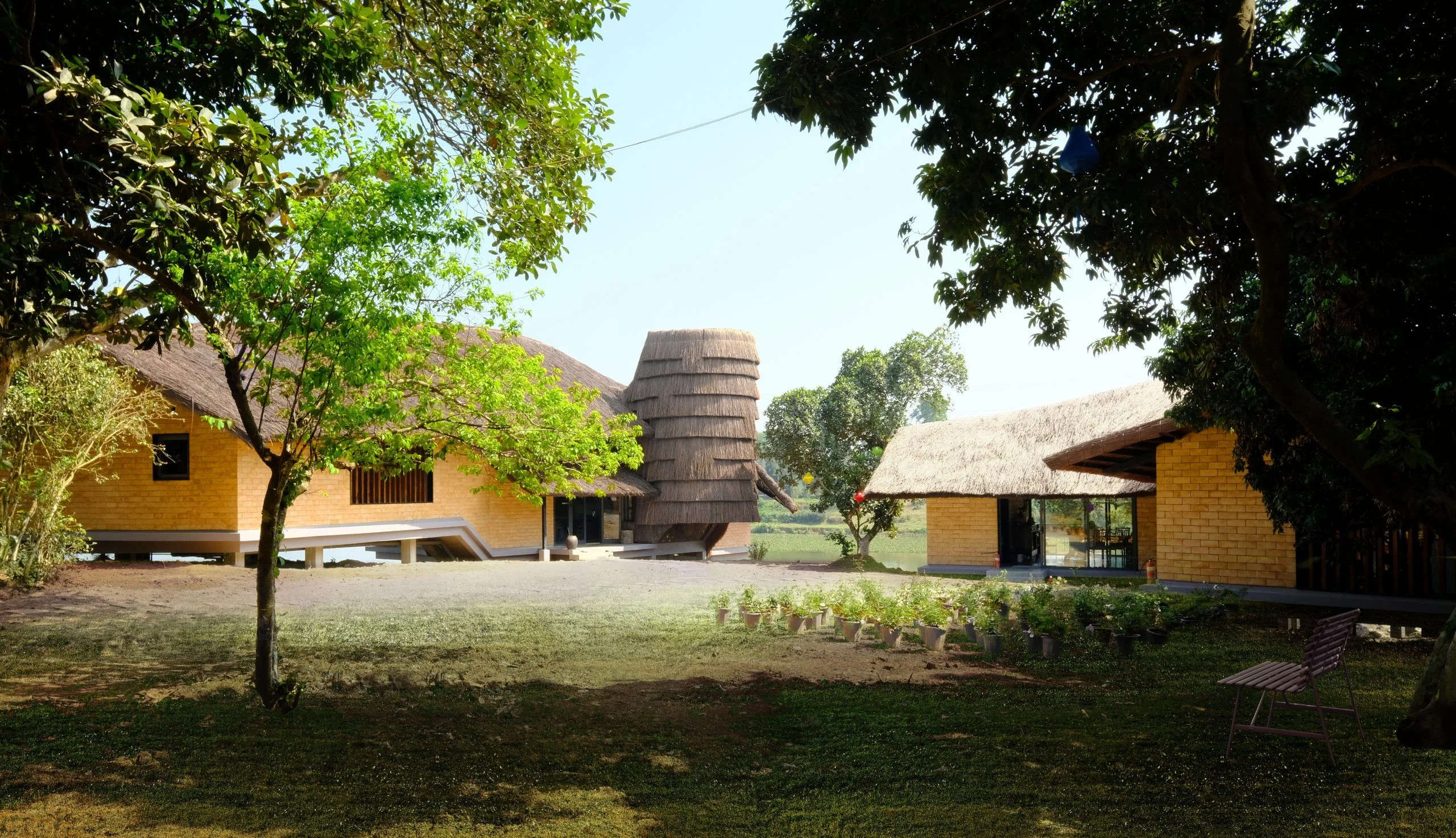
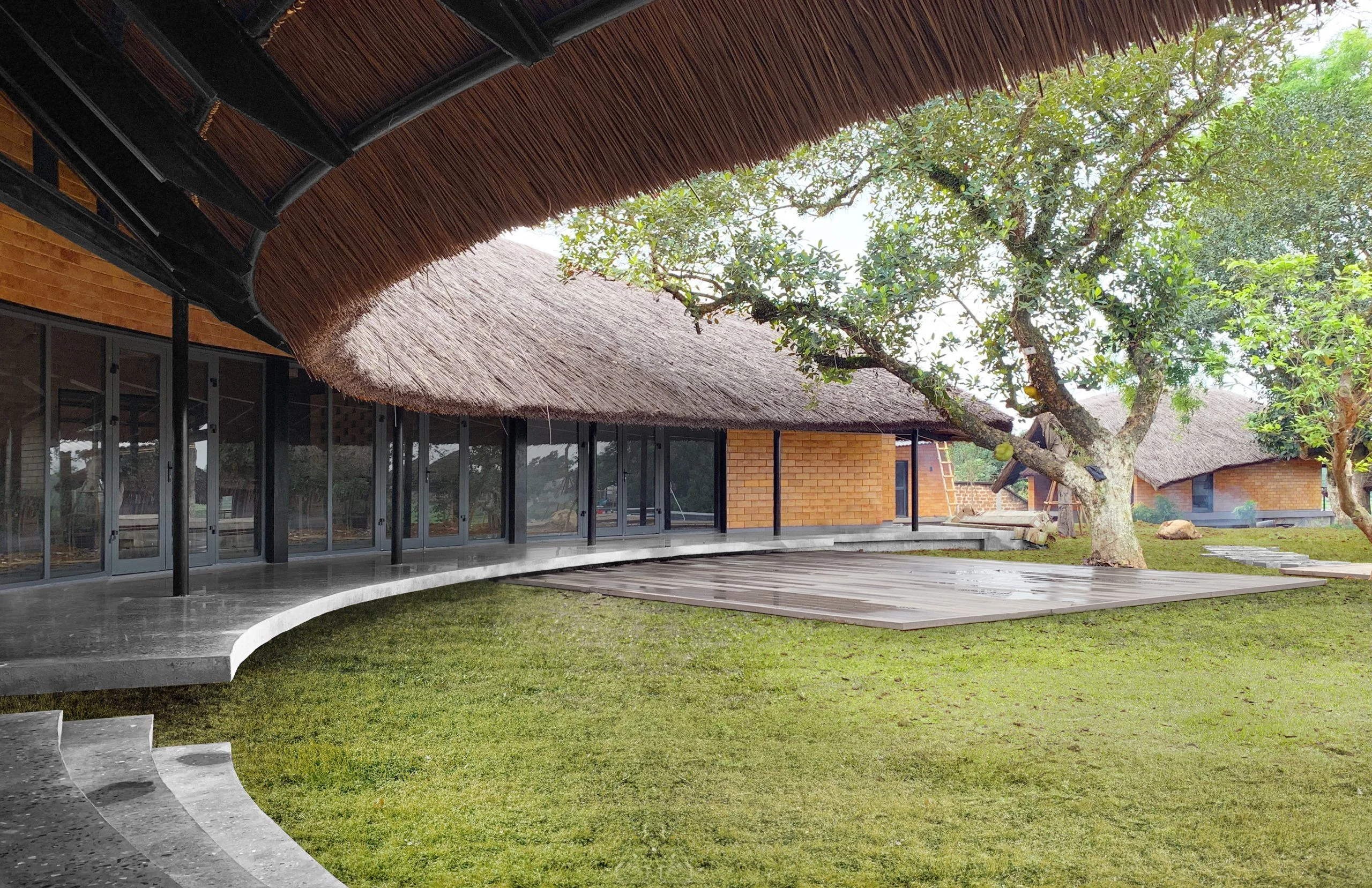
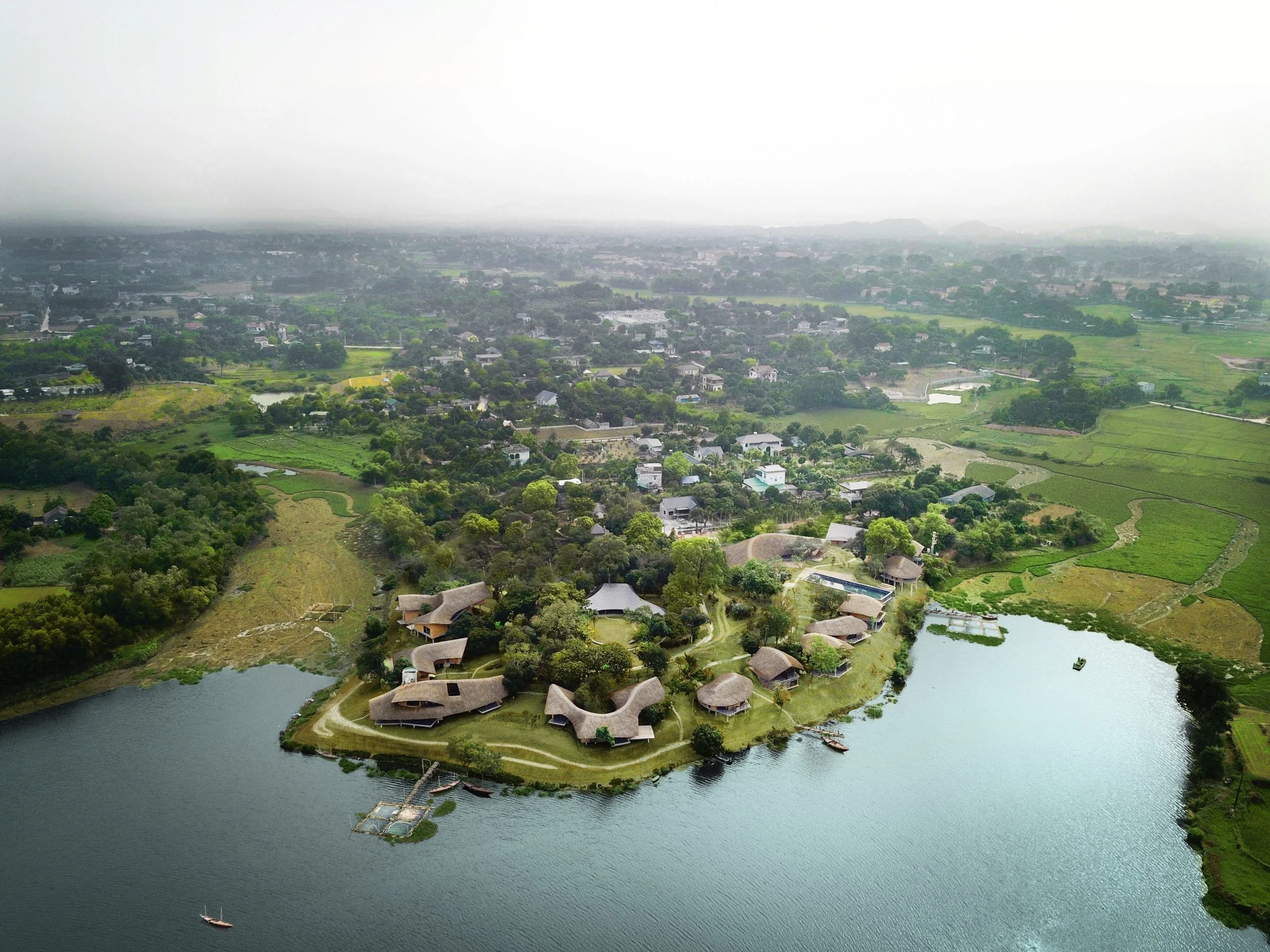
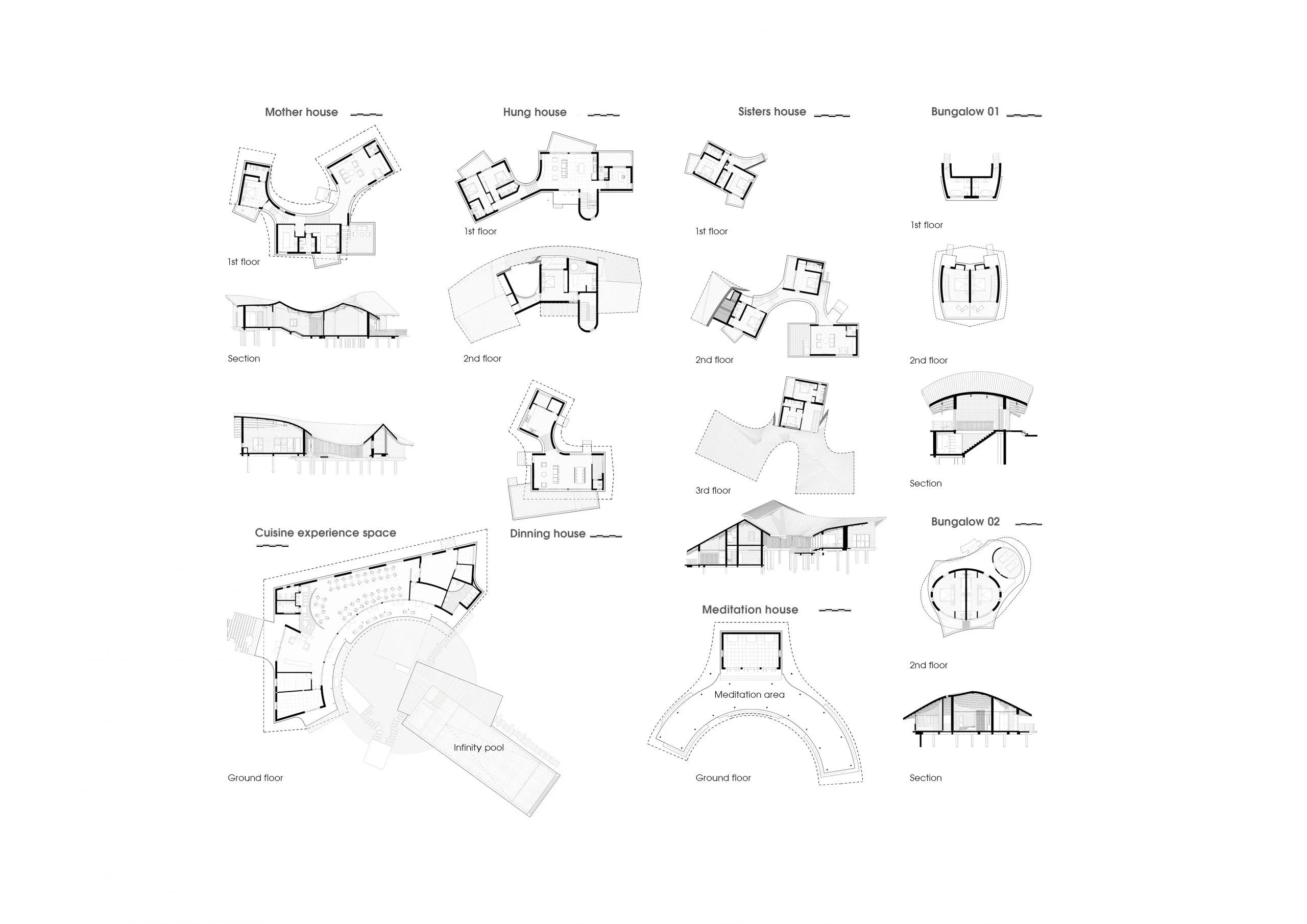
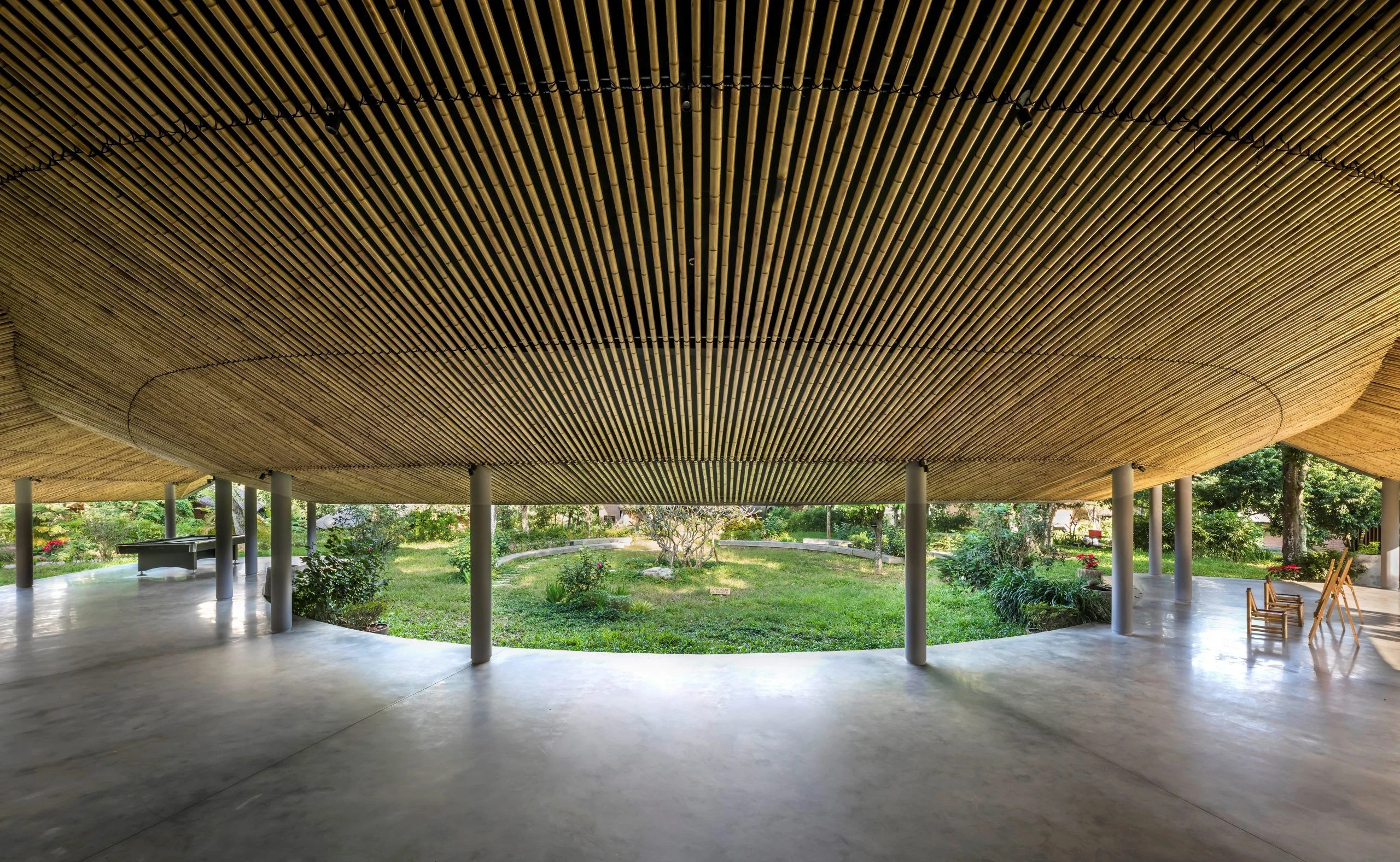
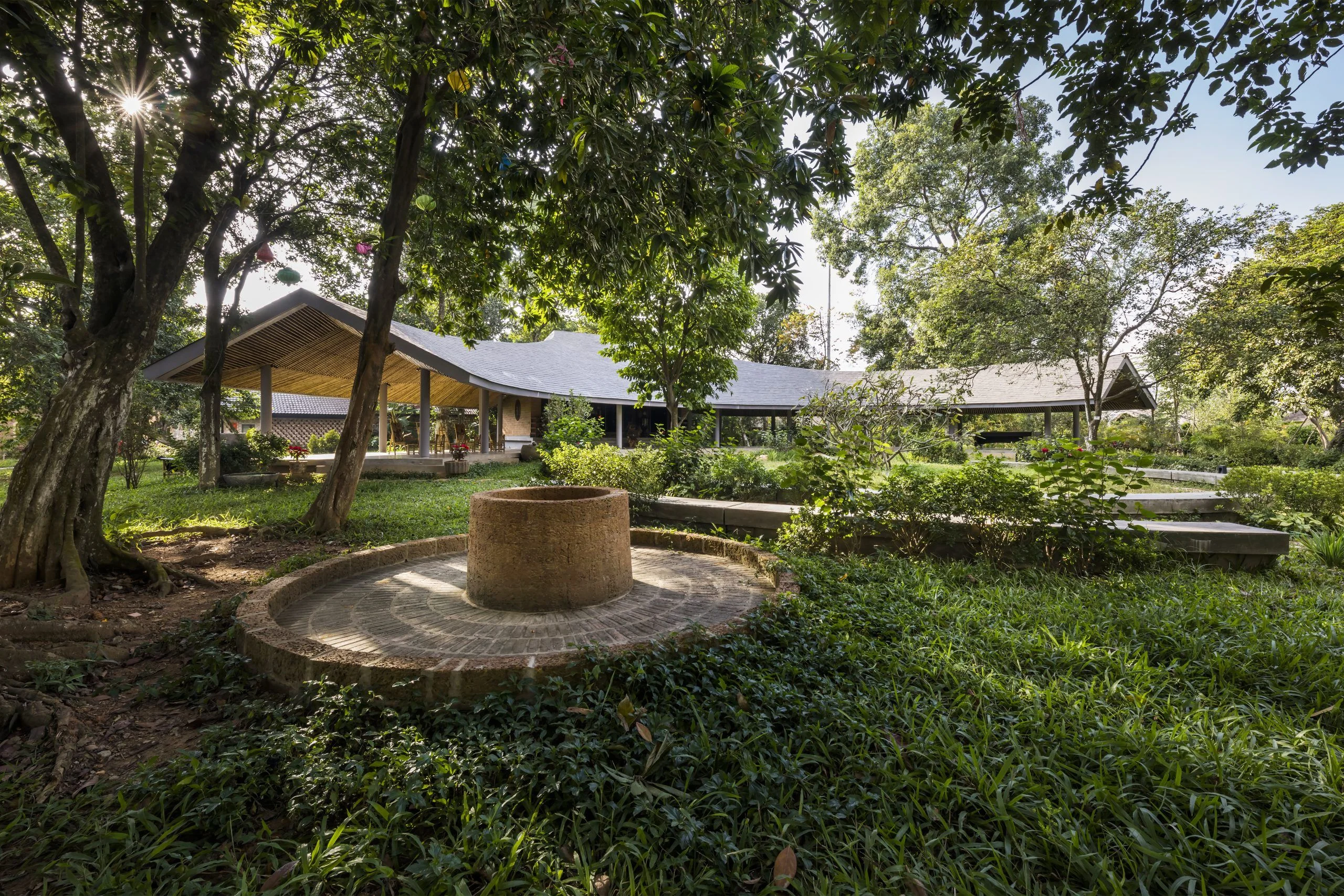
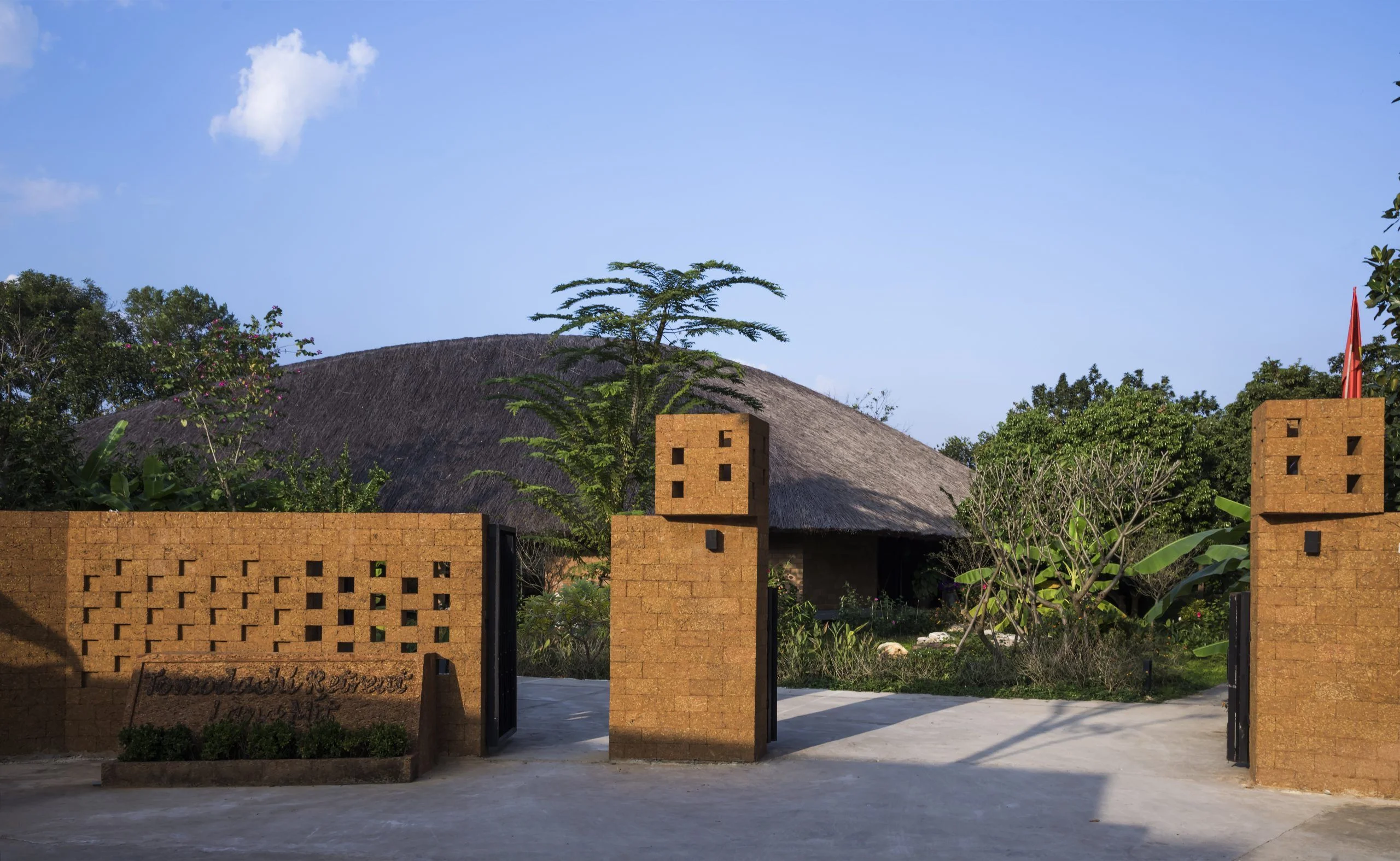
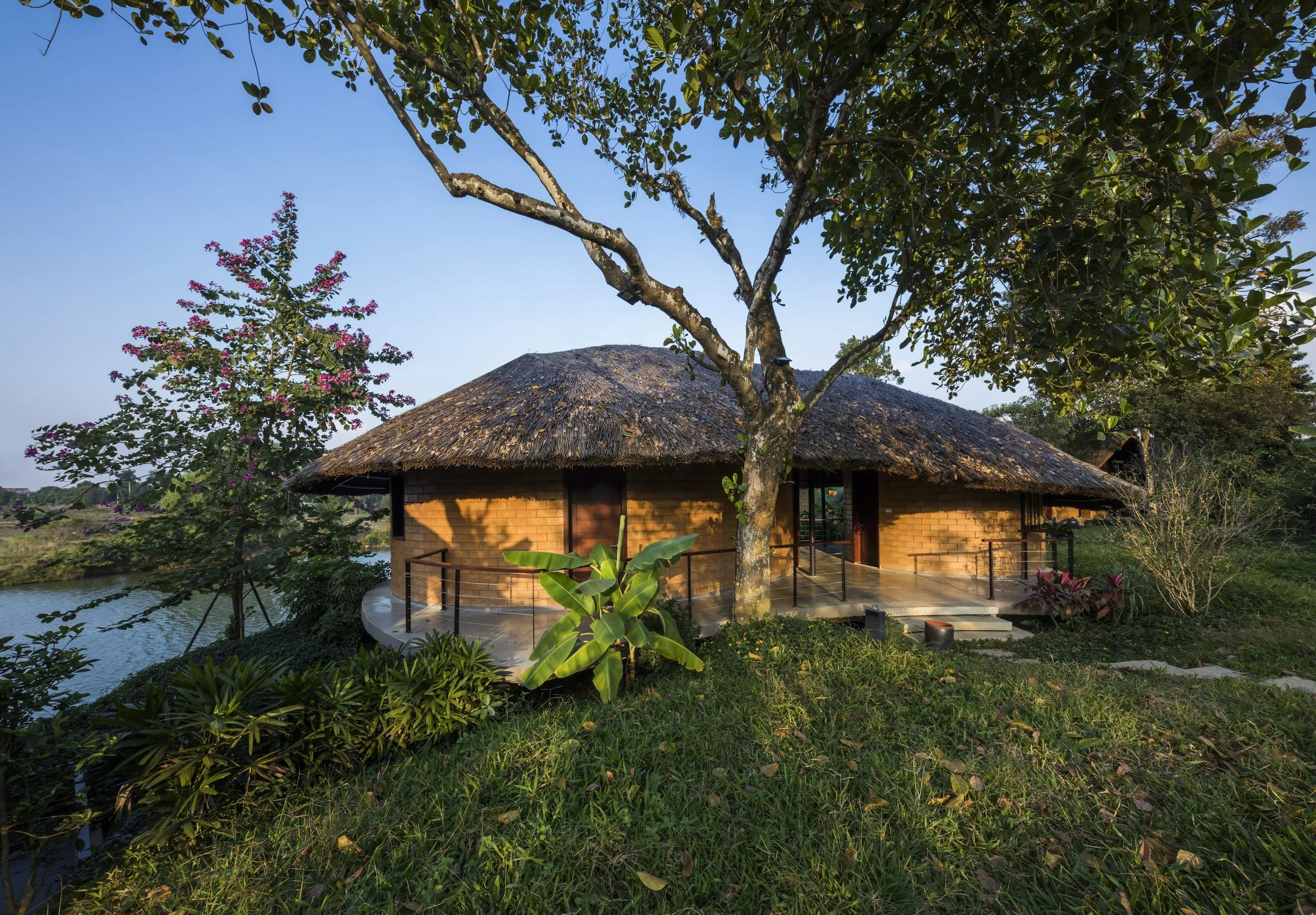
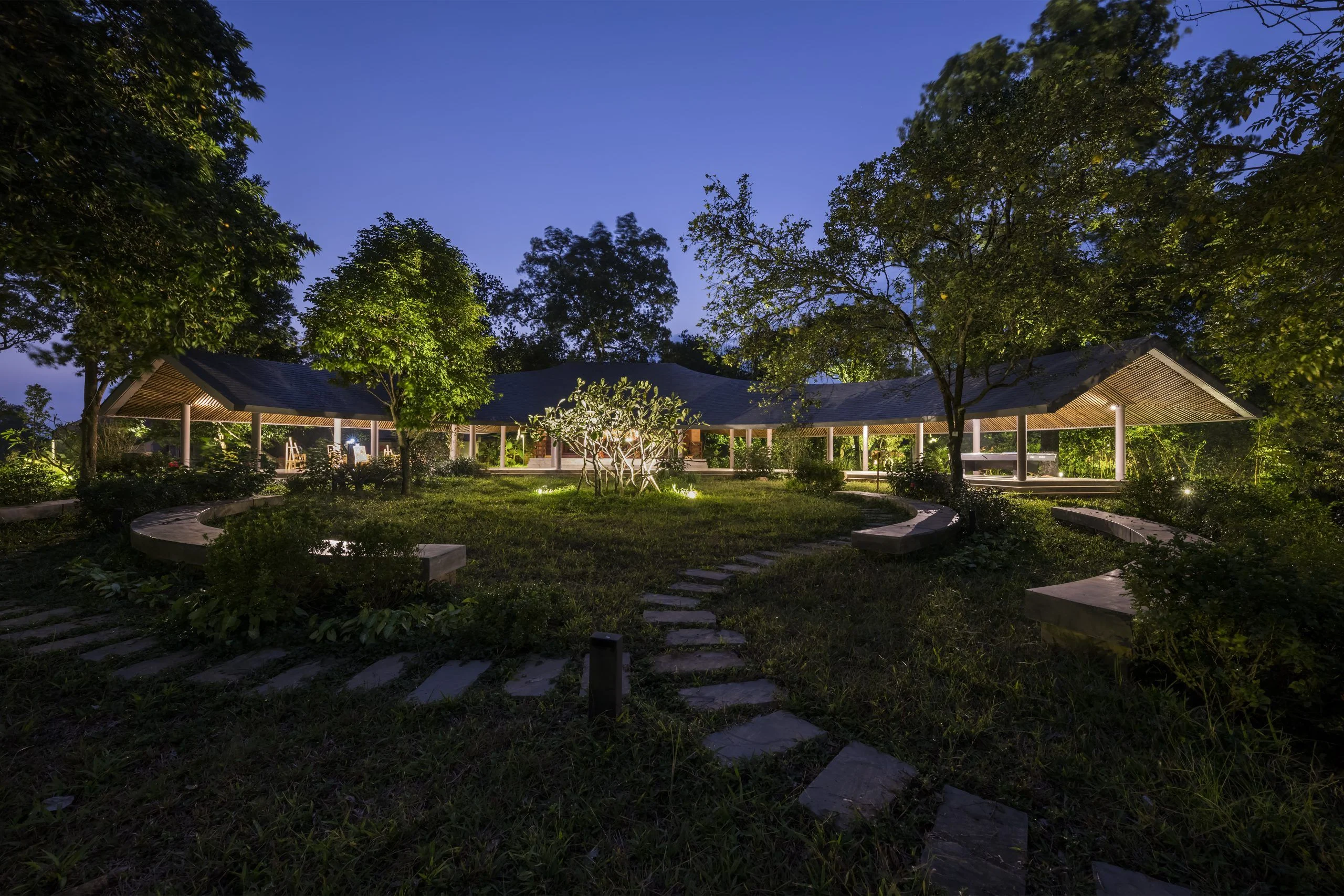
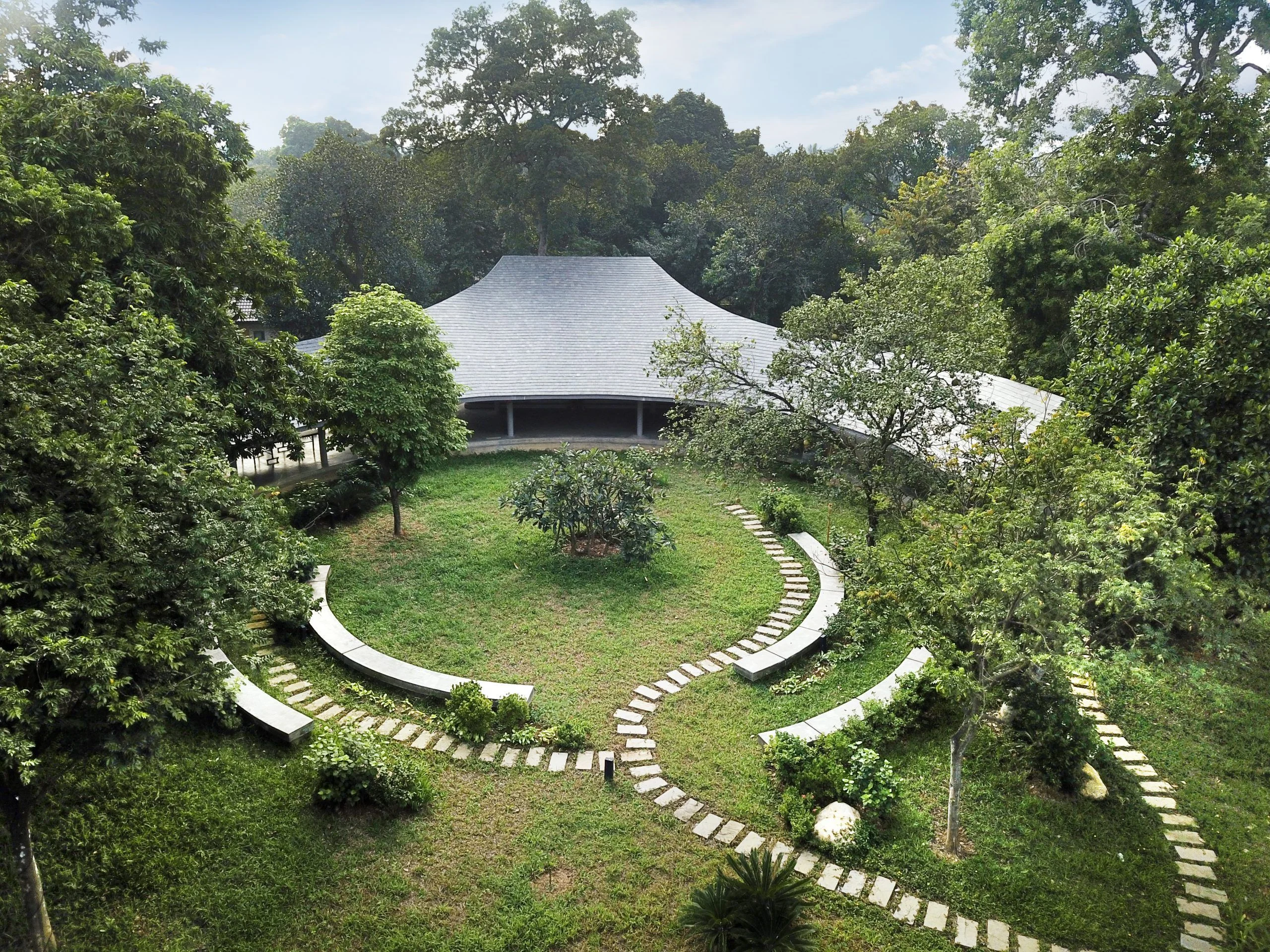
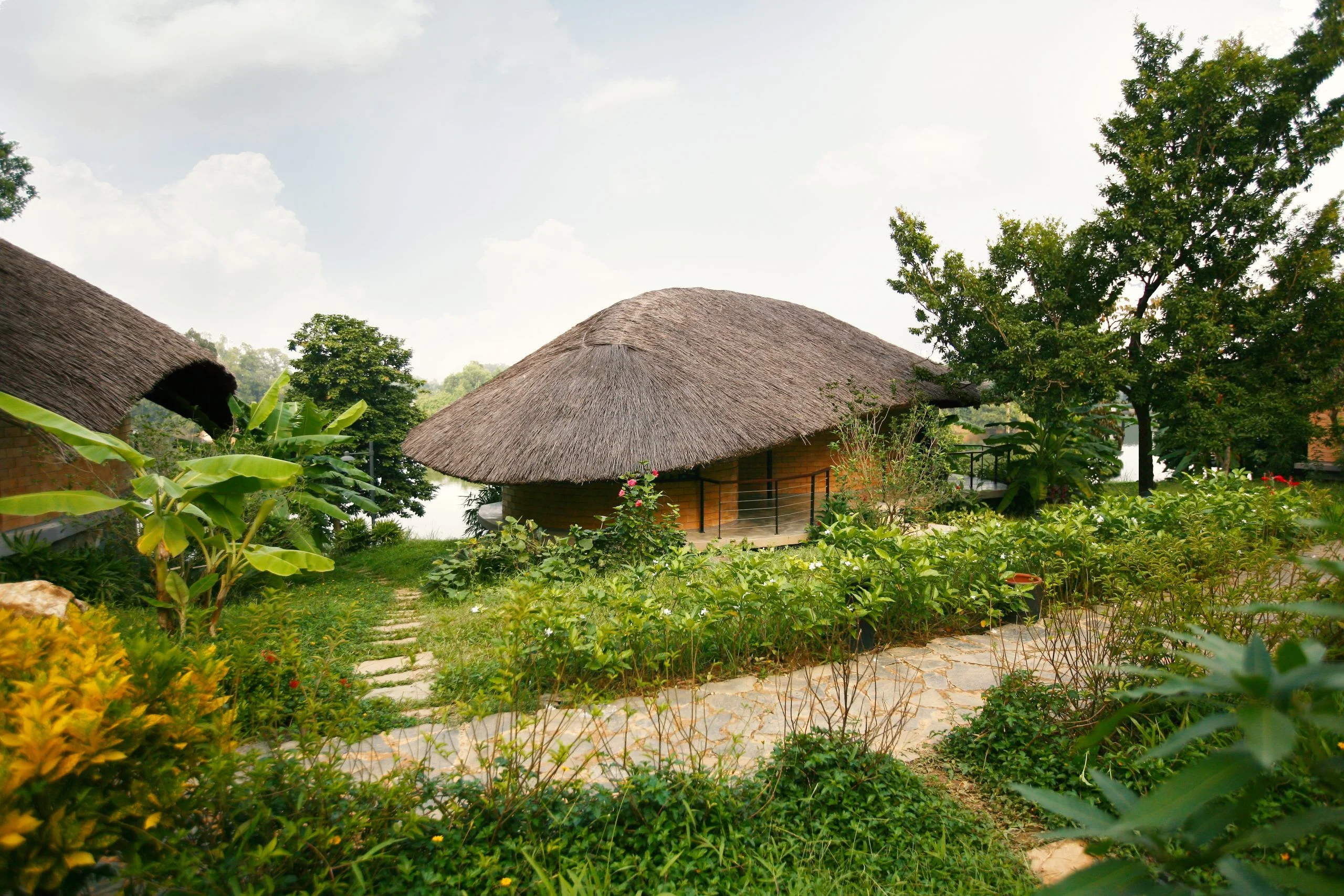
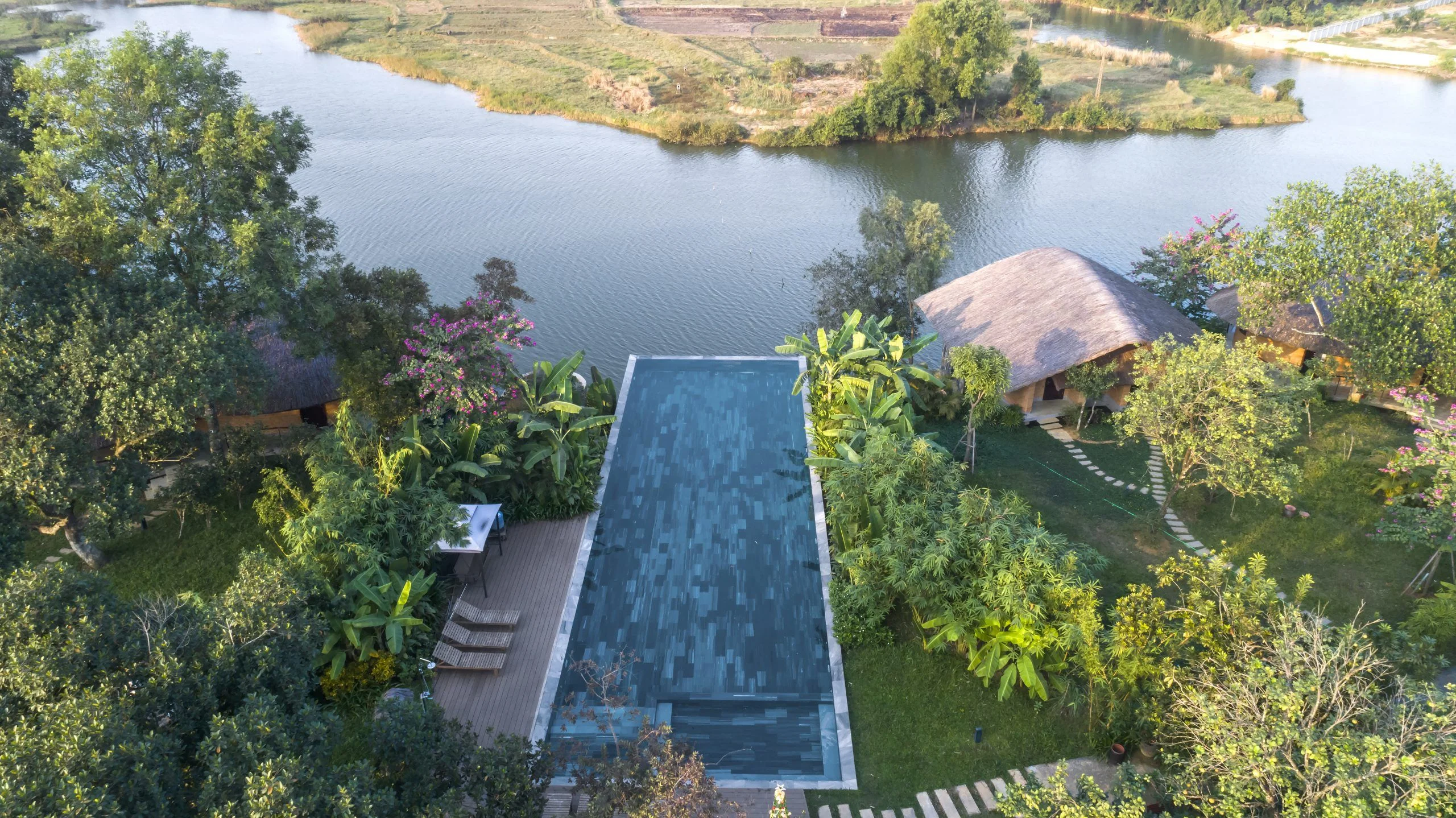
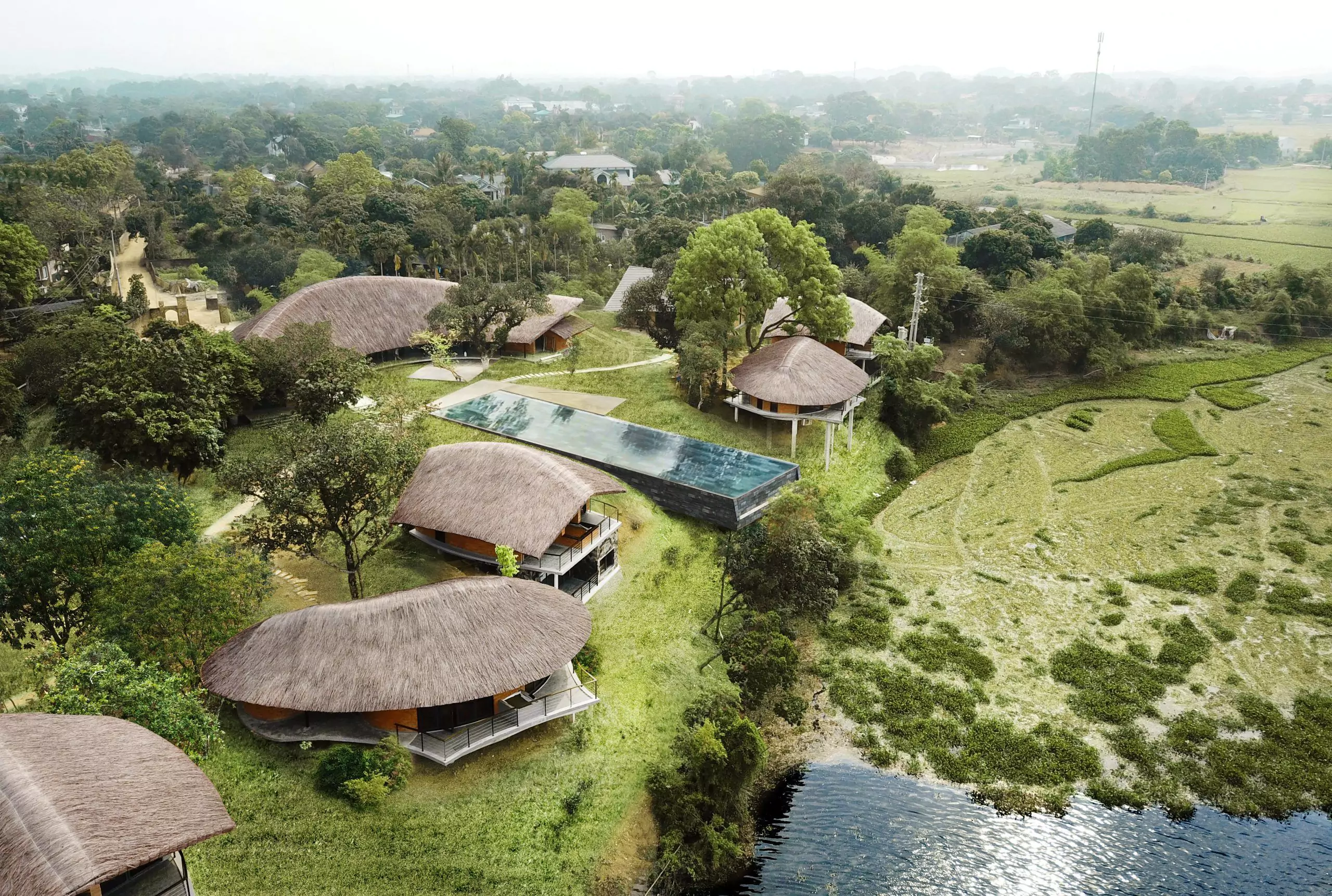
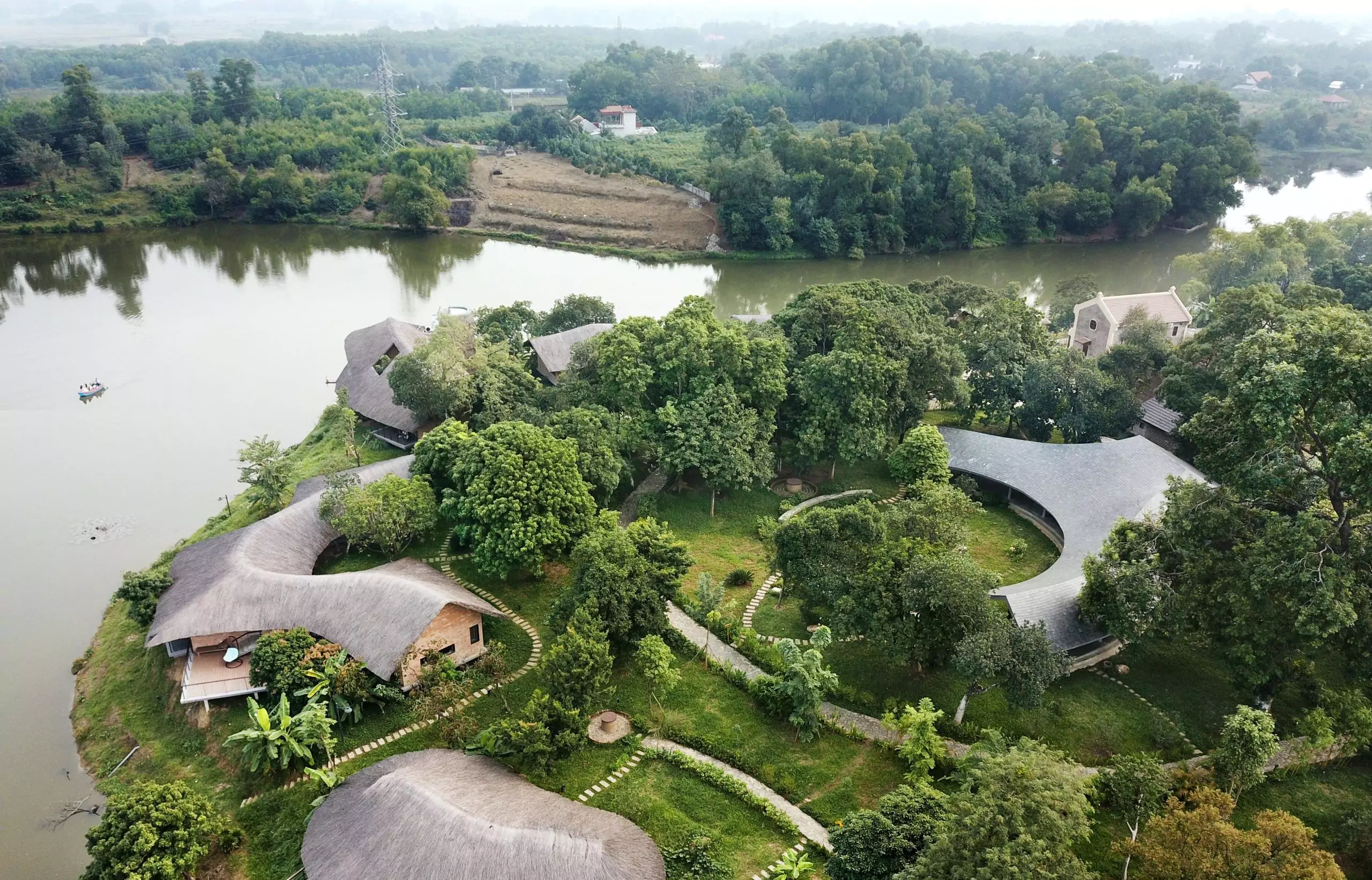
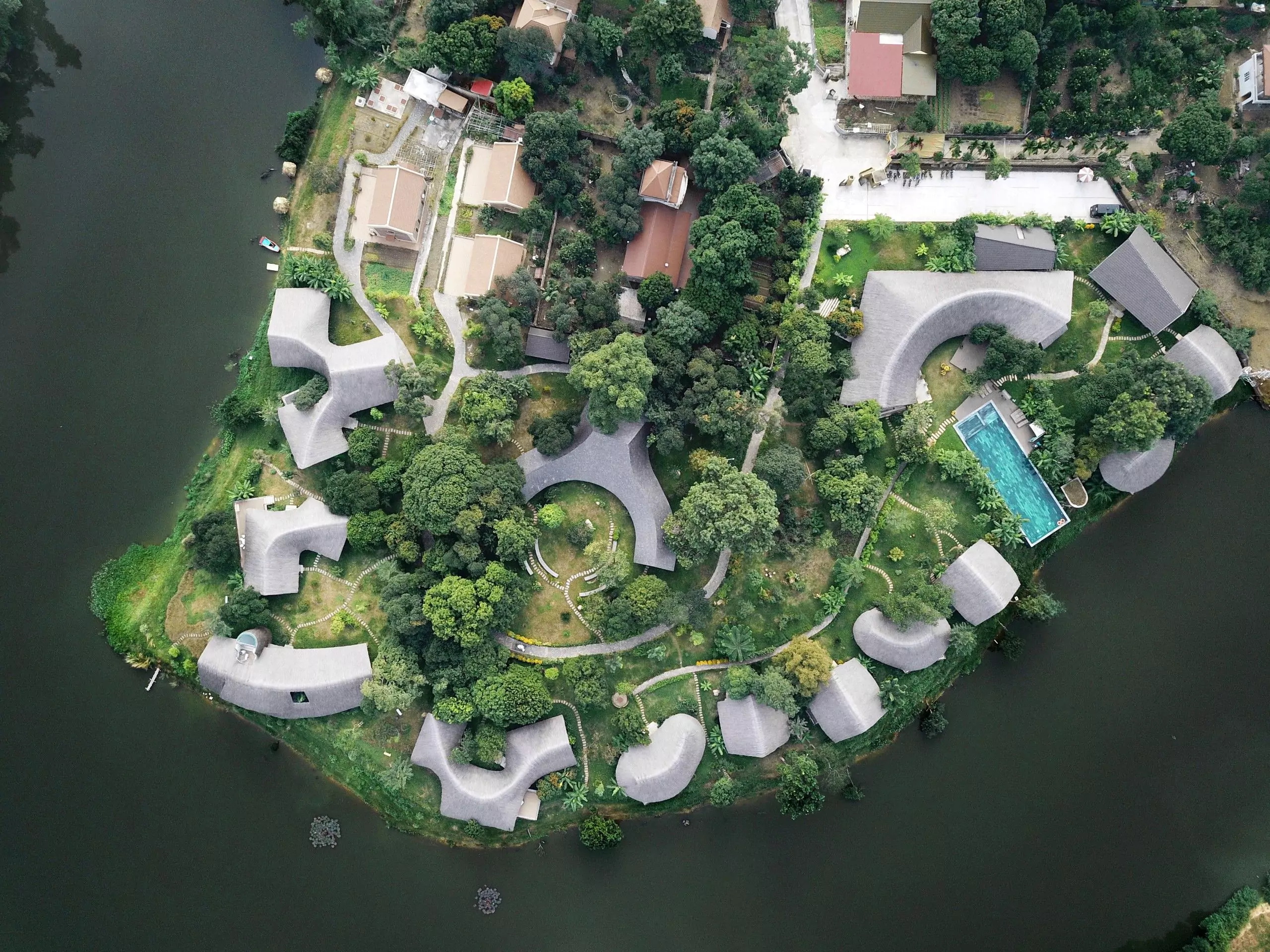
As well as being a reference of green architecture, Jackfruit Village is a one-in-a-kind hospitality business. Tourists can experience living with local farmers in a variety of houses: single-family, duplexes, villas, … enjoying an immersive indigenous experience while having access to a spa, a swimming pool, meditation practices, artists’ bungalows and local cuisine that nourishes from their own organic vegetable garden and fish that are raised in the lake.
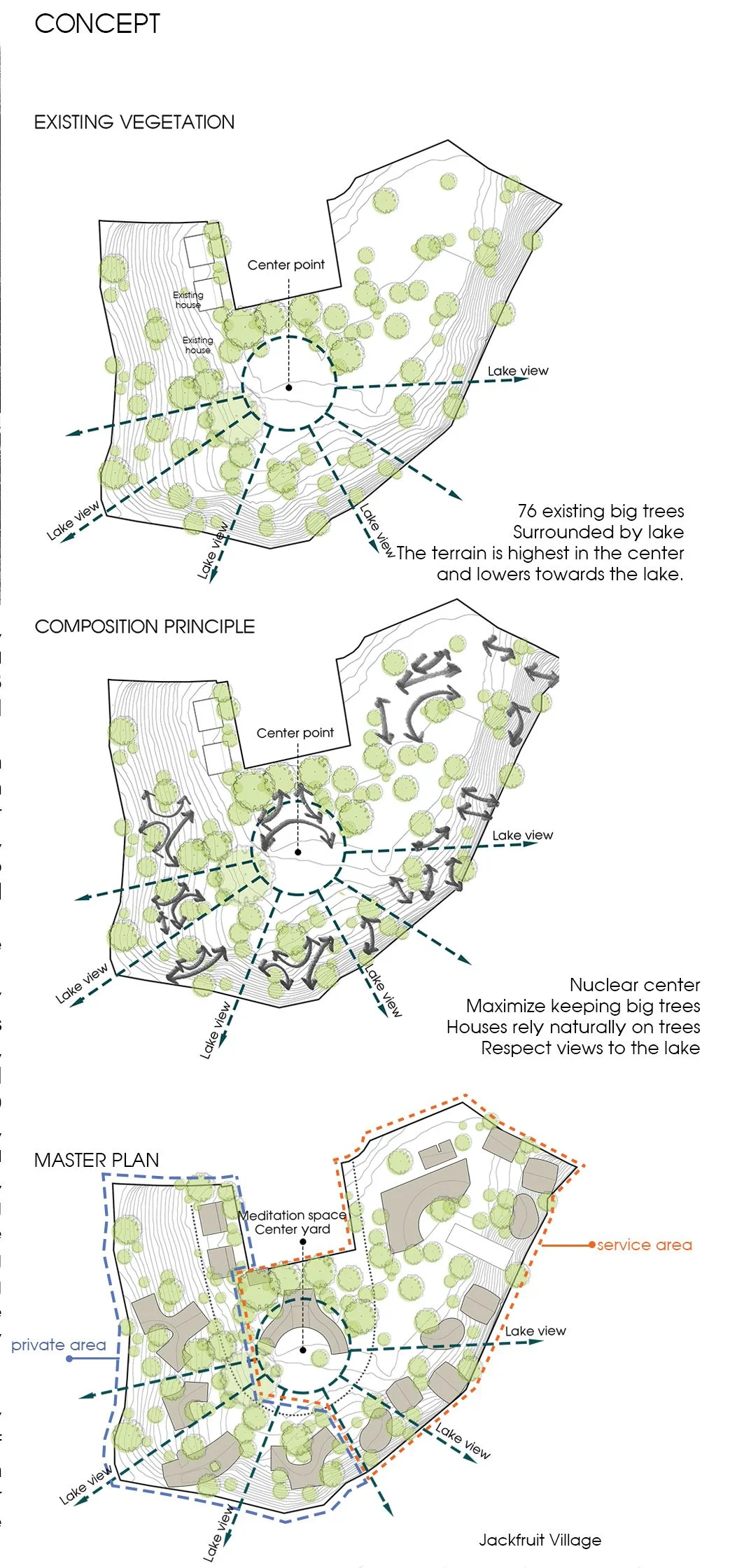
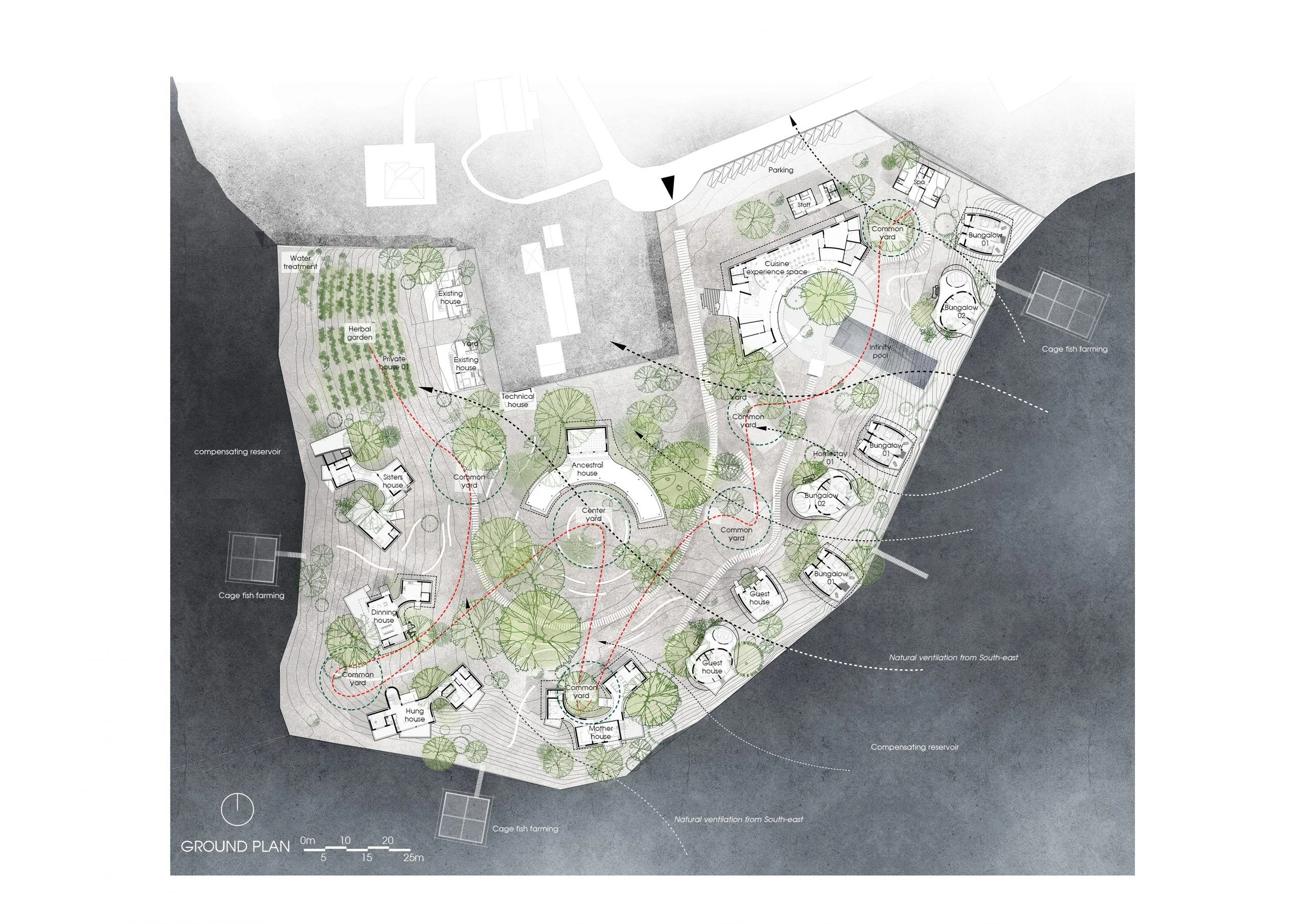
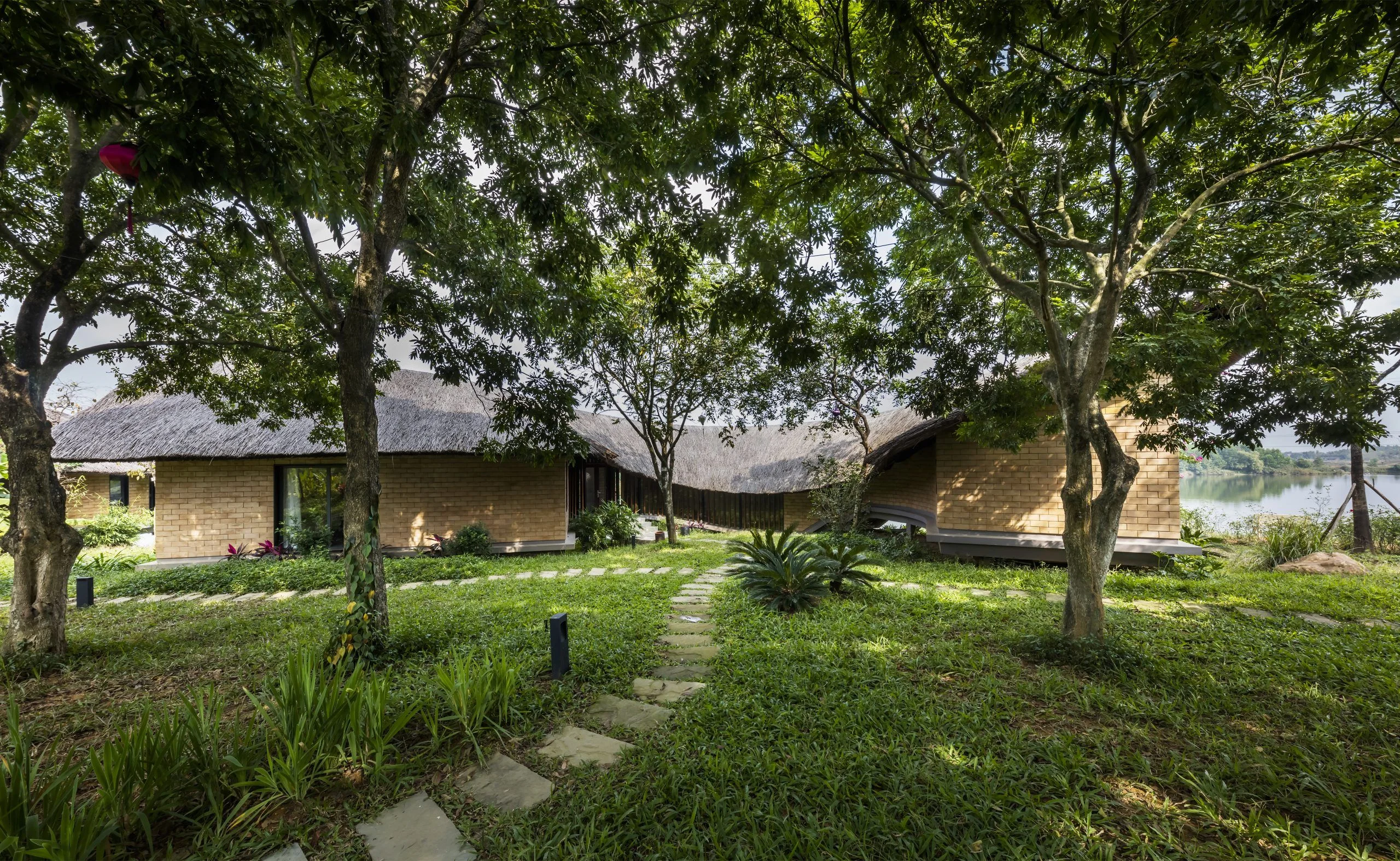
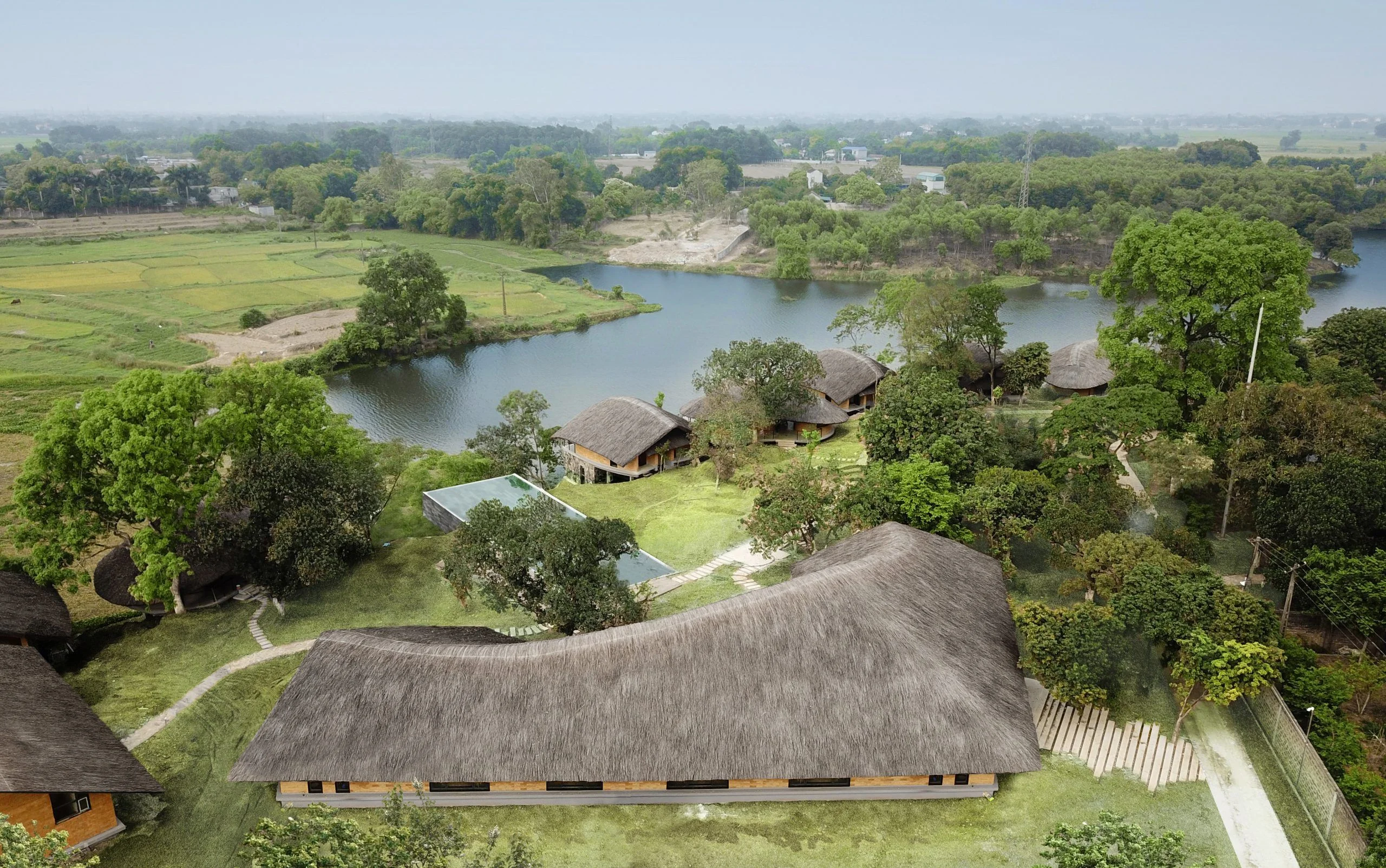
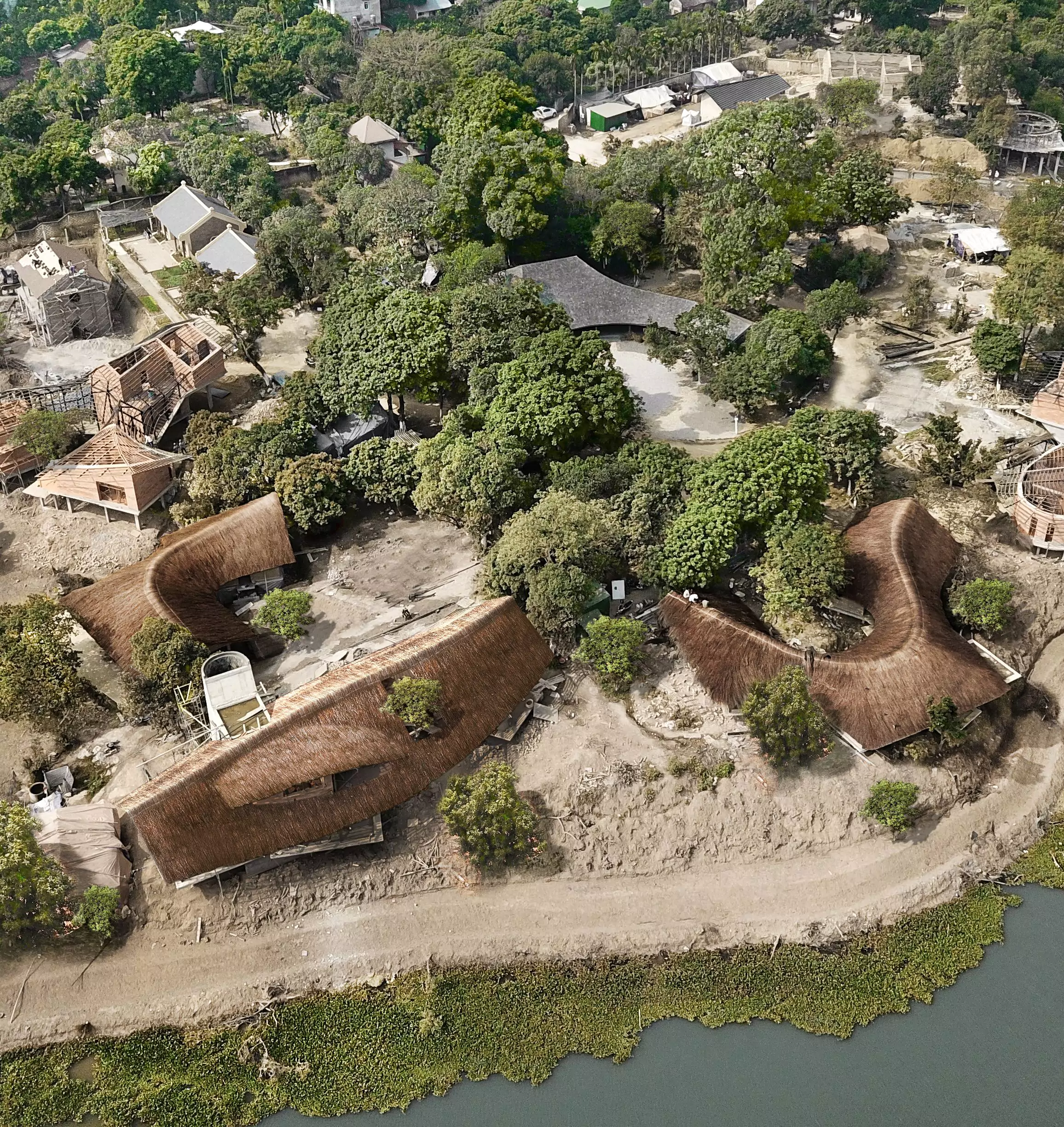
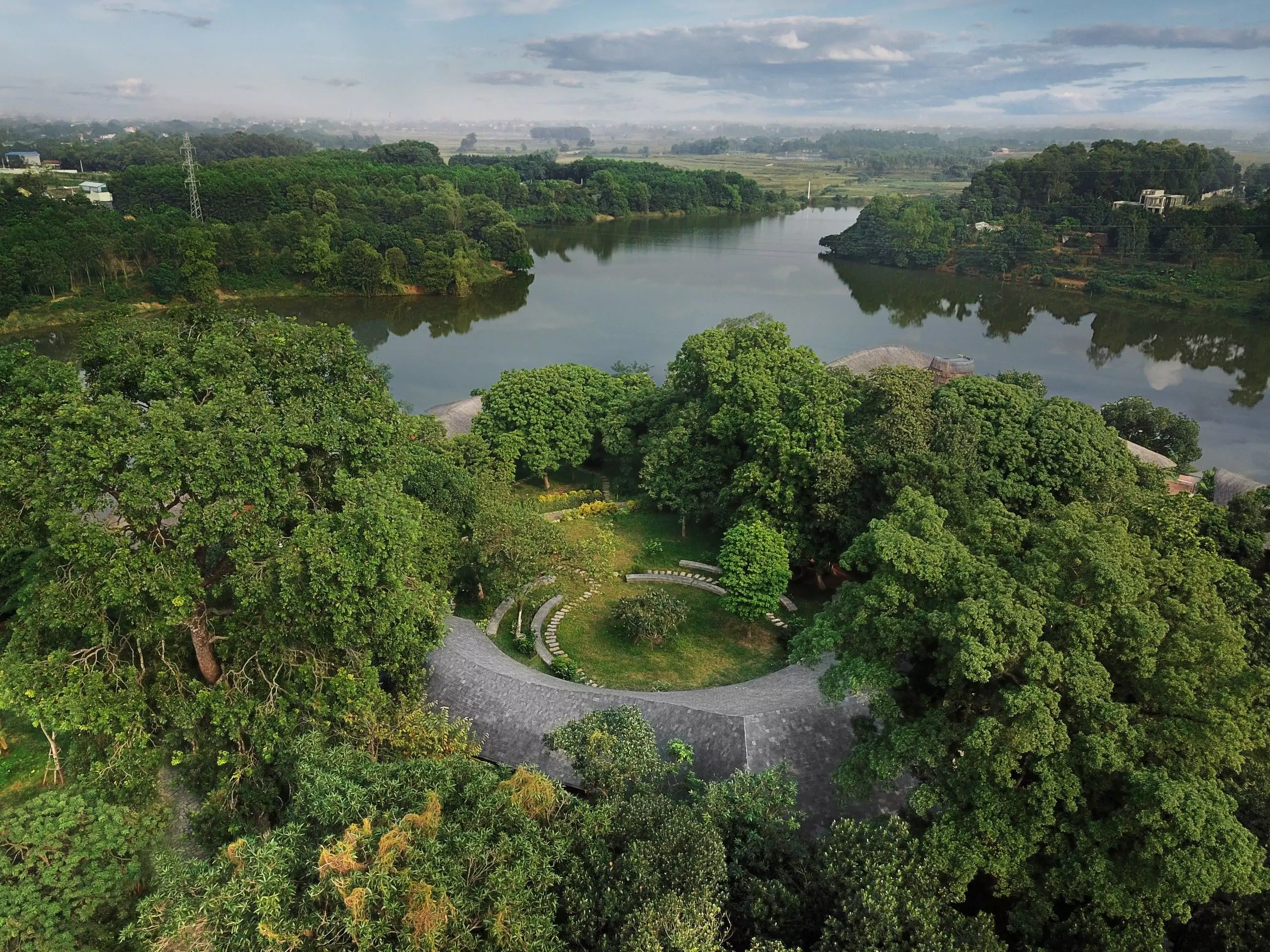
The project site is home 38 jackfruit and 13 pomelo trees, which are typical of rural areas in the north of Vietnam. The heart of the project is the ancestral house, which serves as place of worship, meditation and community space. Residential units and bungalows spread out from the middle strategically to make the most out of the shade for common yards. The design emphasizes community life inside Jackfruit Village and connects it with the surrounding villages by cycling and boating routes.
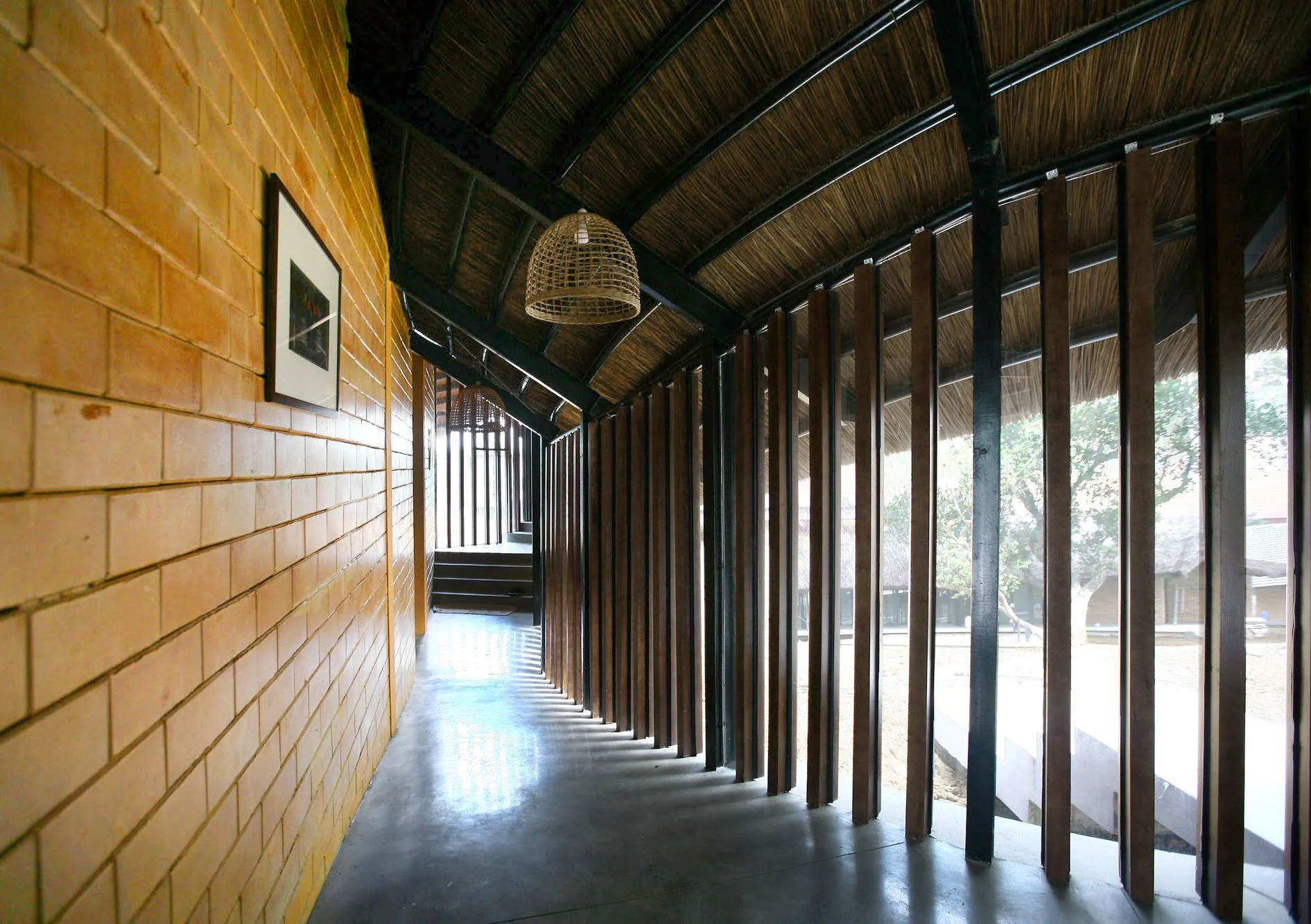
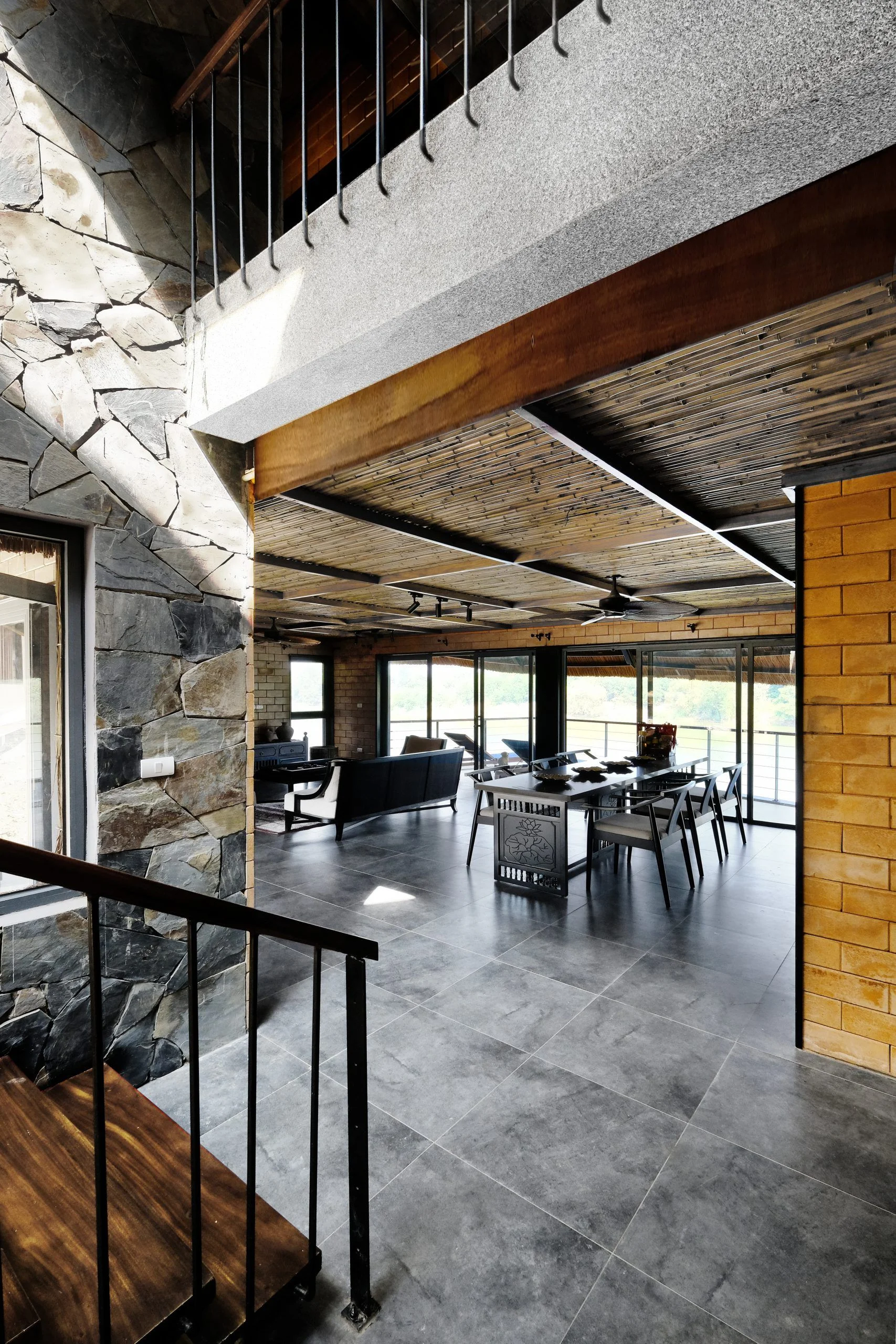
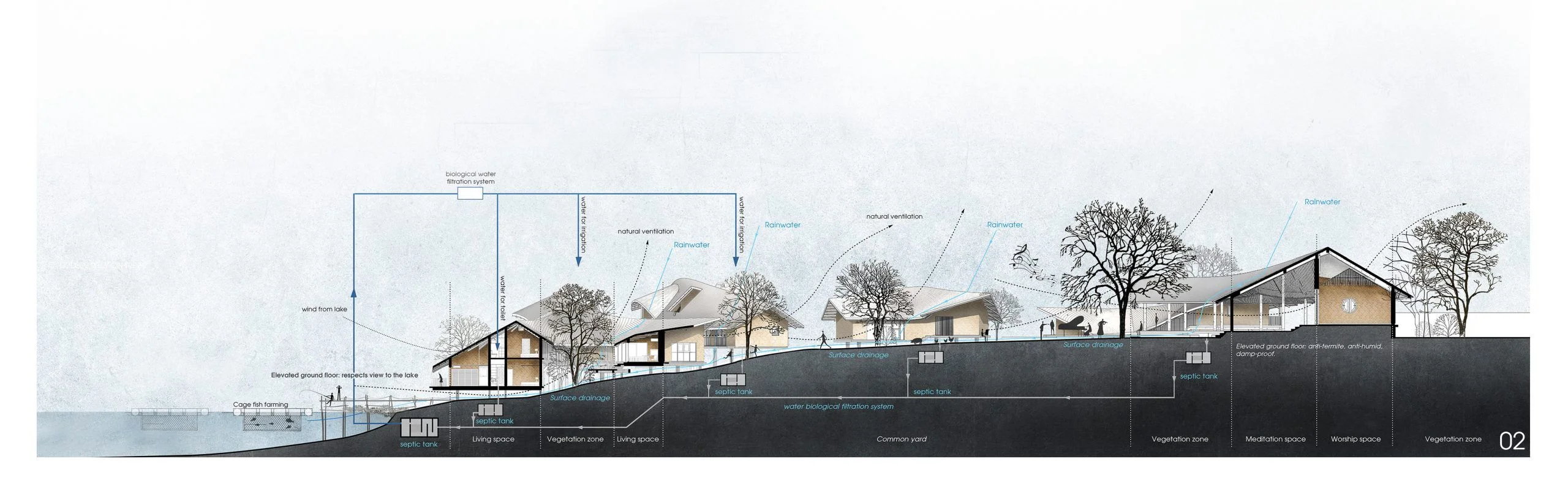
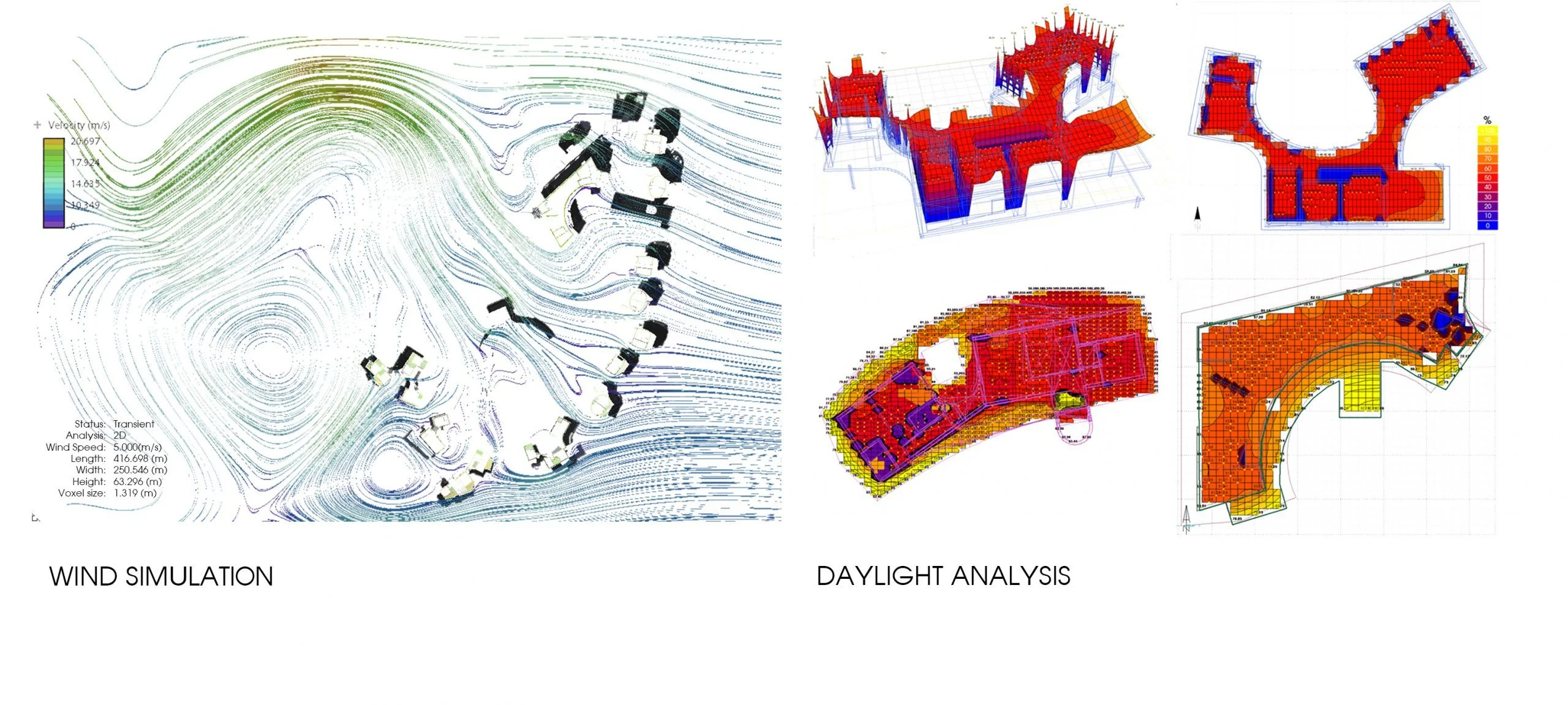
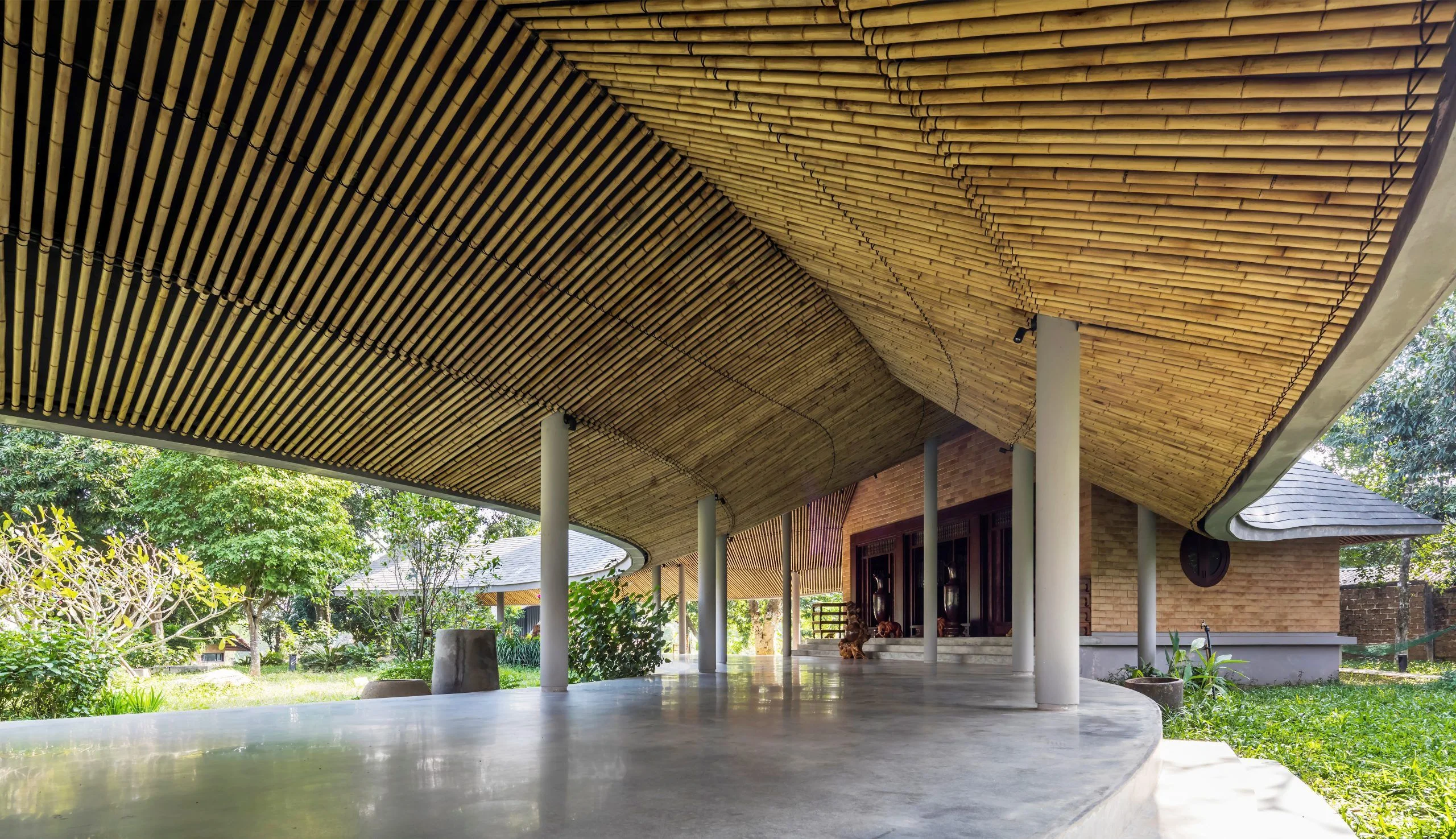
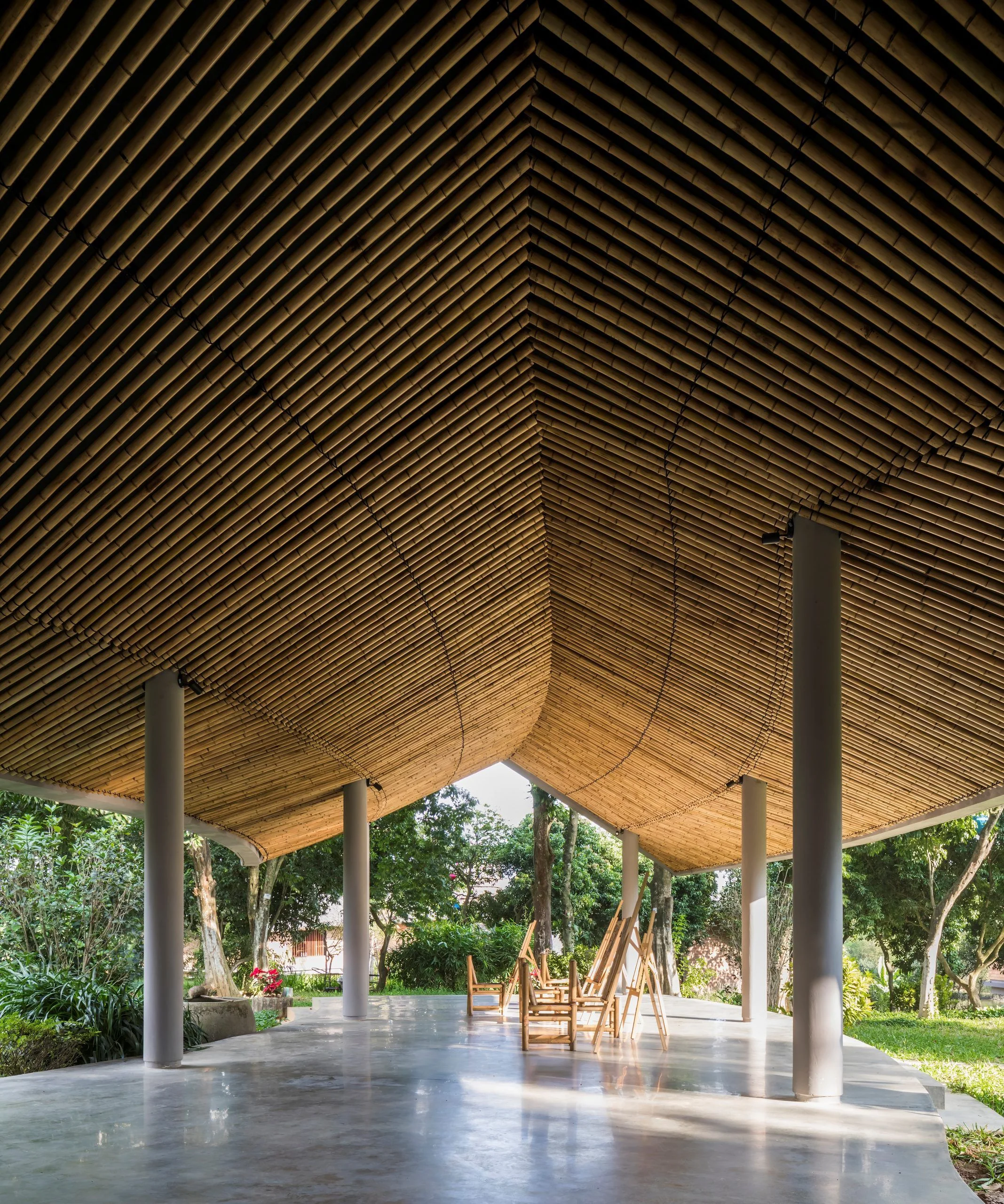
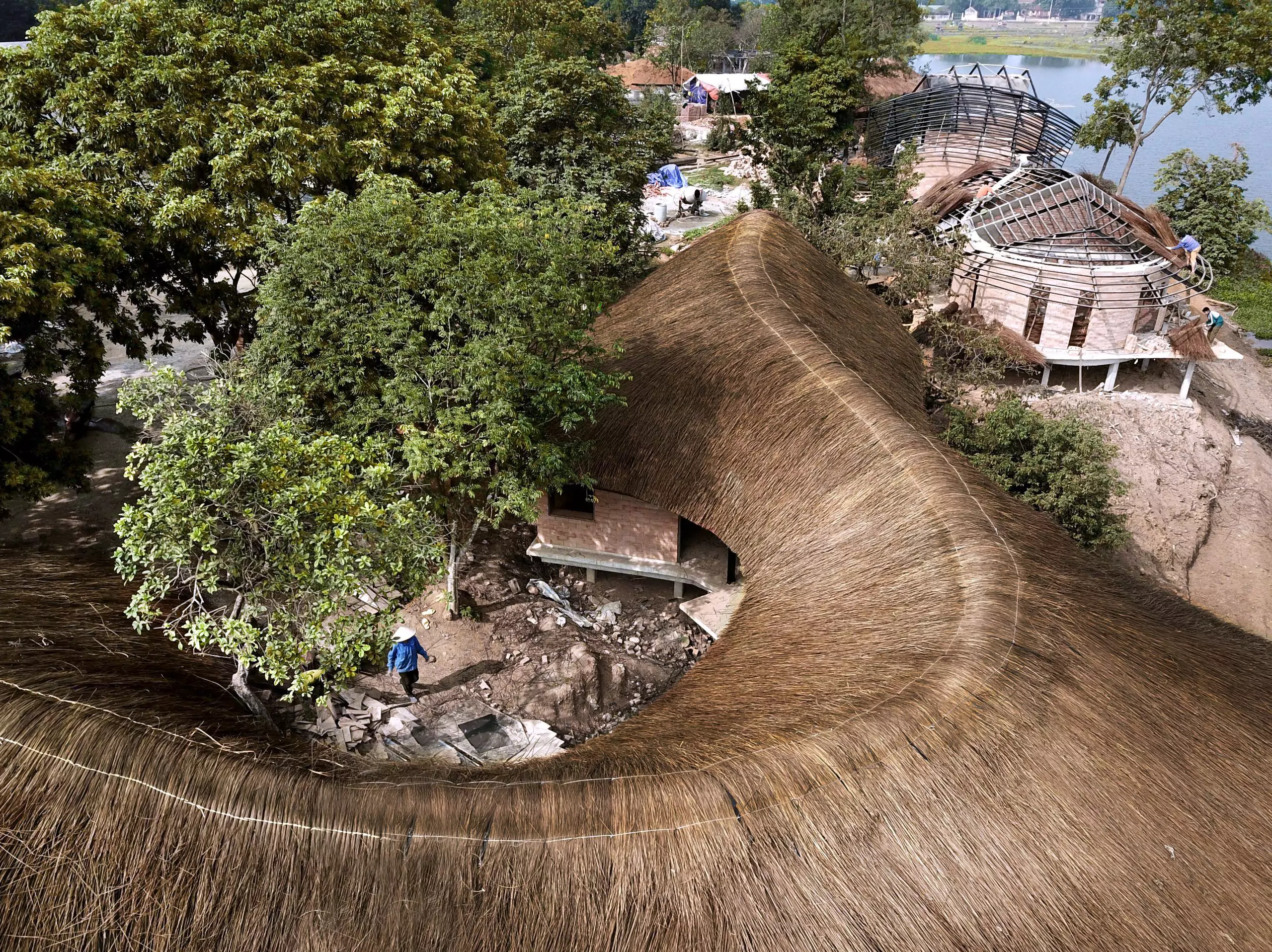
The project incorporates eco-friendly materials alongside modern technologies. Due to transportation difficulties, the construction is built with earth bricks made from the soil of the excavation process, bamboo was locally harvested and treated on-site, and roofs were made with palm tree leaves also obtained nearby. Each building has a biological 5-chamber septic tank and wastewater filtration that are placed at the end of the wind direction (important detail!) to reuse for irrigation and toilets. Houses are elevated from the ground to reduce ground footprint, avoid humidity and termite problems, and to ensure natural surface drainage.
Jackfruit village has created a whole ecosystem that creates a closed cycle allowing it to be totally self-sufficient, renewable and easily maintainable in the long-term. Each building is an enjoyable experience and maximizes symbiosis between culture, ecology and visitors, all while improving the income and life quality of local people.


1 thought on “Jackfruit Village”
Thanks for your blog, nice to read. Do not stop.