Modern urban planning is often faced with the dilemma between facilitating car traffic or nurturing pedestrian-friendly environments. Today’s cities confront a crucial decision: either succumb to the erosion of cities caused by automobiles or embrace the reduction of cars to enhance urban life. Both concepts have significant implications for how cities develop and function.
Erosion of cities by automobiles refers to the gradual and relentless process by which cars take over urban spaces. This process typically begins with minor changes such as widening streets or converting avenues to one-way traffic to alleviate congestion. Over time, these small adjustments accumulate, leading to significant transformations like the construction of expressways and extensive parking facilities. This cycle is driven by “positive feedback,” where each action to accommodate more cars leads to further changes that intensify the need for even more accommodations.
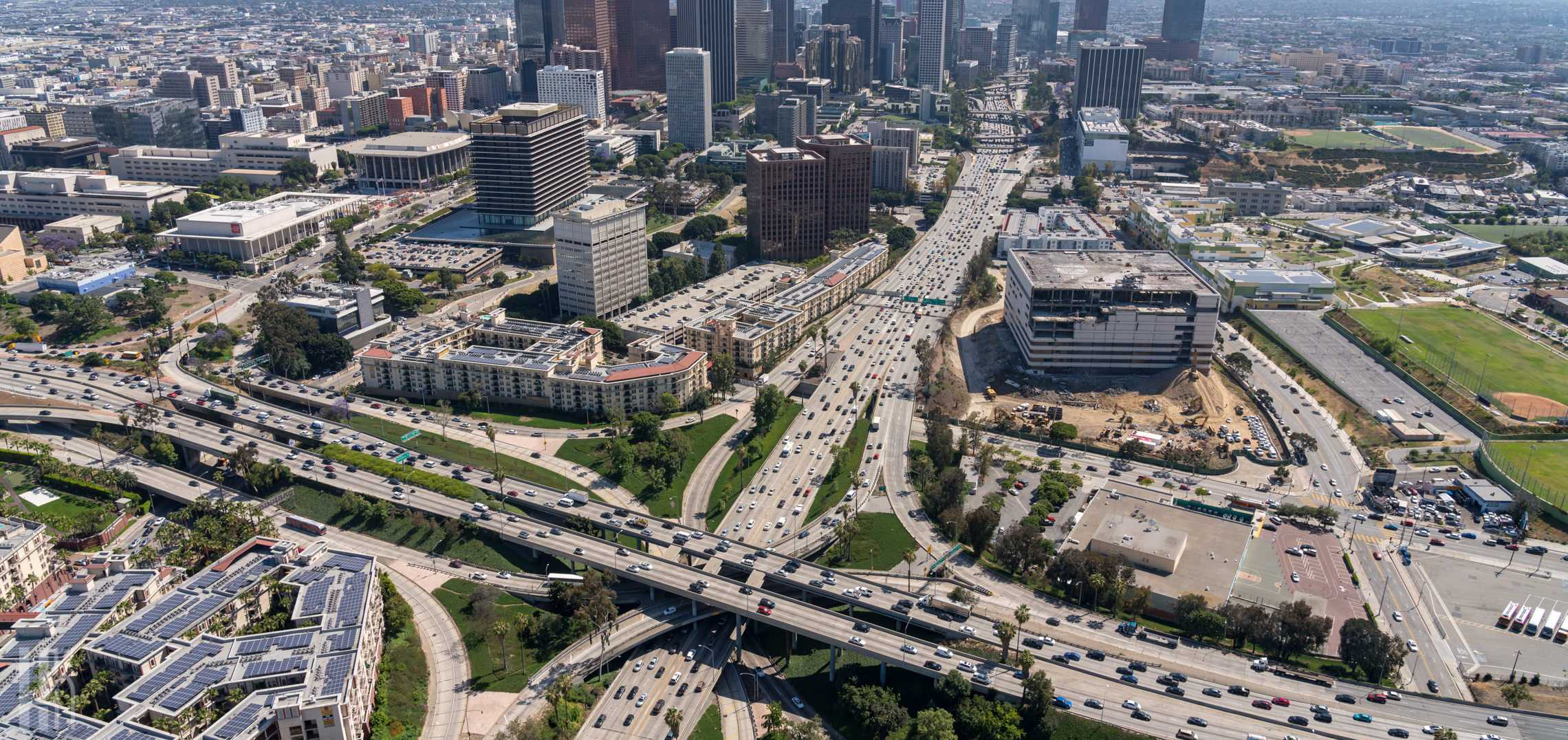
For example, as more land is dedicated to parking, the city attracts even more cars, creating greater congestion and needing further road expansions and modifications. This pattern resembles a habit-forming addiction, where the city’s dependence on automobiles continuously increases. As a result, public transport becomes less convenient and efficient, leading to a sprawling and less dense urban environment. This paradox is obvious in cities like Los Angeles, where despite an extensive freeway system, traffic congestion remains severe. Truth is that a hose drawn carriage could cross Los Angeles almost as fast in 1900 as an automobile can make this trip at 5pm today. Is this what we consider progress?
In contrast, reduction of automobiles involves making urban conditions less convenient for cars, thereby reducing their numbers. Barcelona provides a modern example of deliberate automobile redution. The city has implemented several strategies to reduce car traffic and reclaim urban spaces for pedestrians and other uses. One notable initiative is the Superblocks concept in the Eixample area. Superblocks restrict vehicle traffic to the periphery, creating large pedestrian-friendly zones within. This design reduces traffic congestion, lowers pollution, and increases public space for residents. The success of this project depends on a significant decrease in car usage, making it a practical and effective urban planning strategy.
In addition to Superblocks, Barcelona has introduced lower speed limits and expanded bike lanes, further discouraging car use. As a former heavy car user, I’ve experienced firsthand the impact of these changes. The difficulty of navigating and parking in the city has led me to switch to biking, a trend that many residents are following. While these changes have sparked anger among some car users, they represent a conscious choice to prioritize urban life over vehicular convenience.
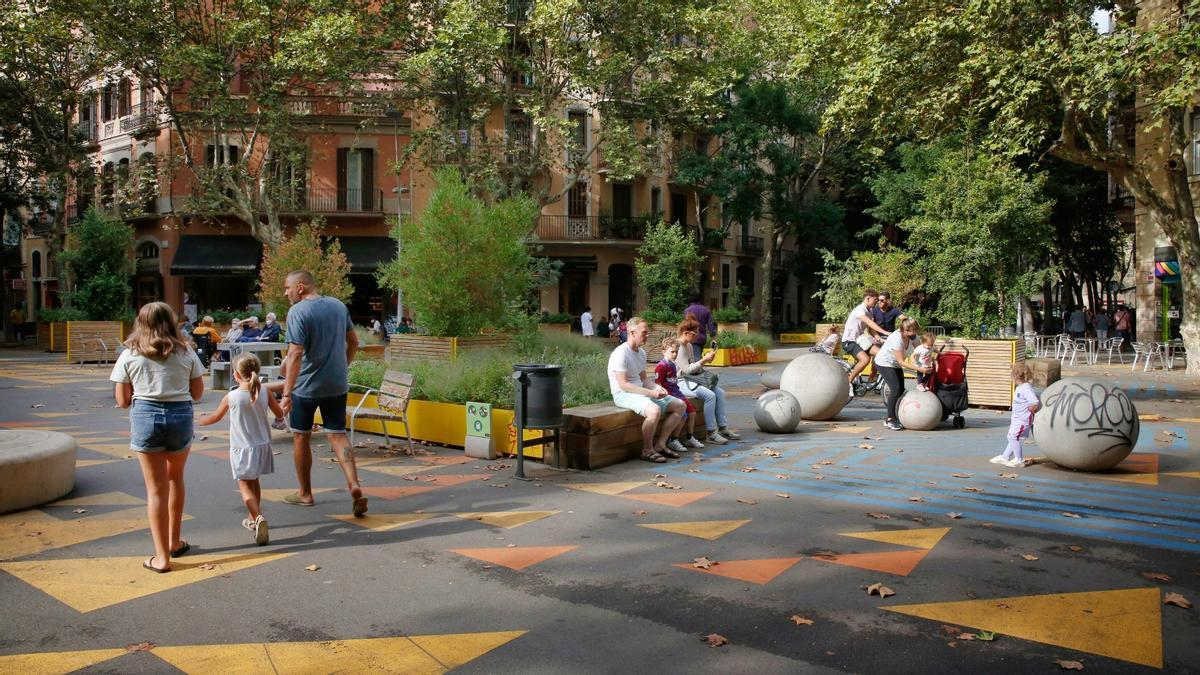
The choice between city erosion by automobiles and automobile reduction is pivotal for the future of urban living. One of the two will inevitably dominate, often at the expense of the other. Erosion leads to expanded, car-dependent cities with inefficient public transport and reduced urban vitality, like LA. In contrast, reducing automobile reliance promotes dense, diverse, and pedestrian-friendly environments that enhance the quality of life. Barcelona’s urban planning illustrates the benefits of this approach, creating a more livable and vibrant city by prioritizing people over cars. Despite initial resistance, the long-term advantages of reducing car dominance are evident. Cities that follow this model can maintain their unique character, support diverse activities, and offer efficient, sustainable transport options, achieving a balance that promotes both vibrant urban life and efficient transportation.