A Sculpted, Off-Grid Home in Coastal Maine

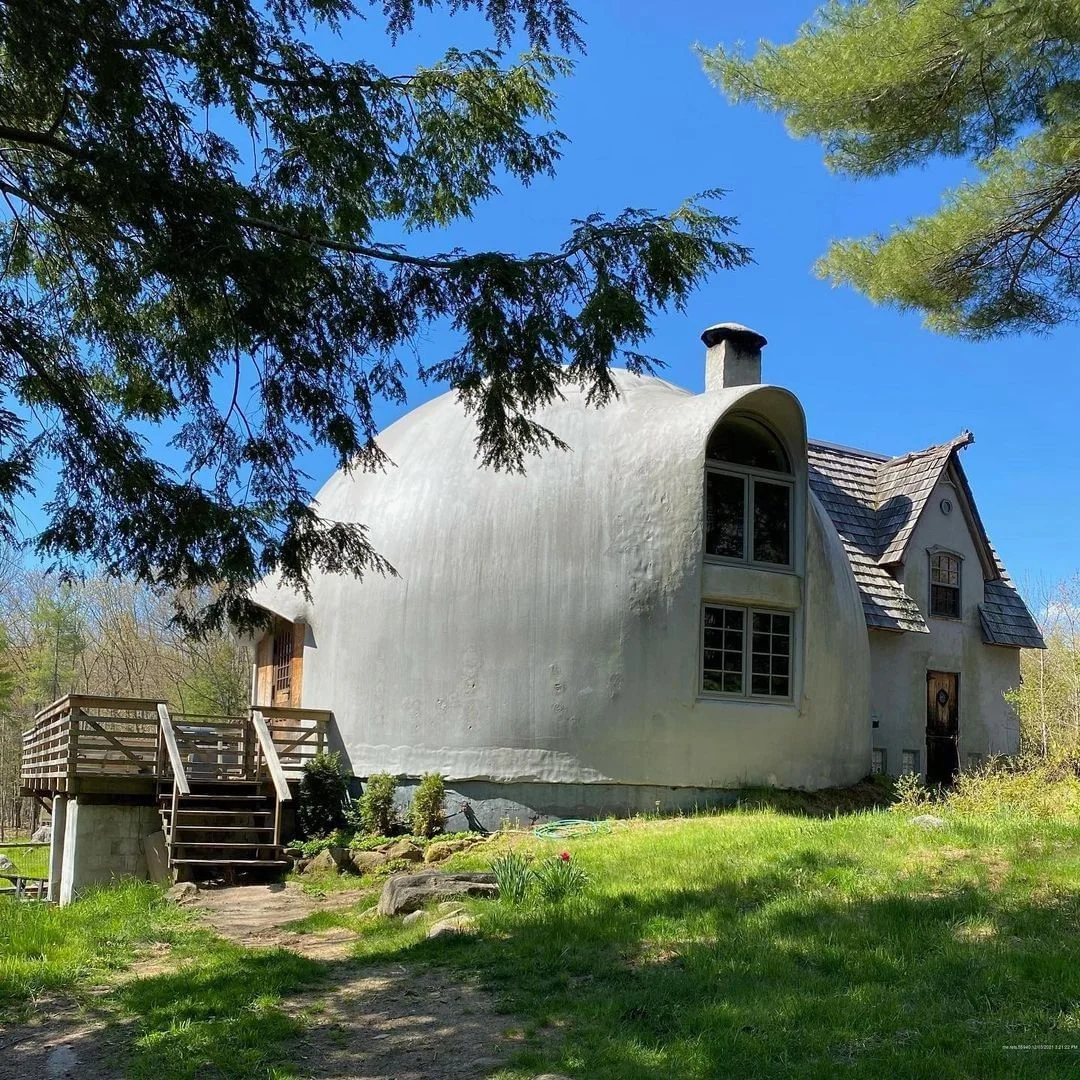
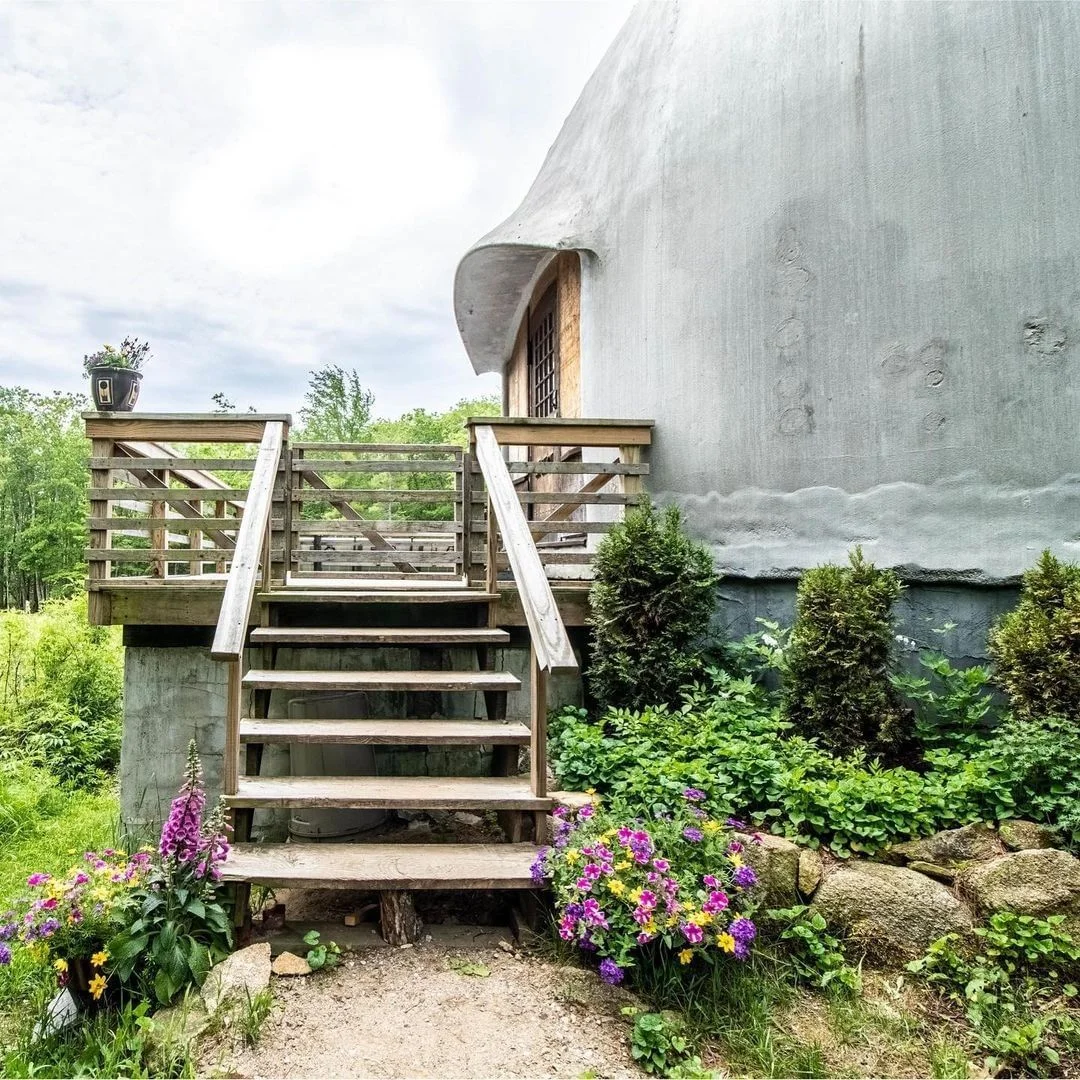
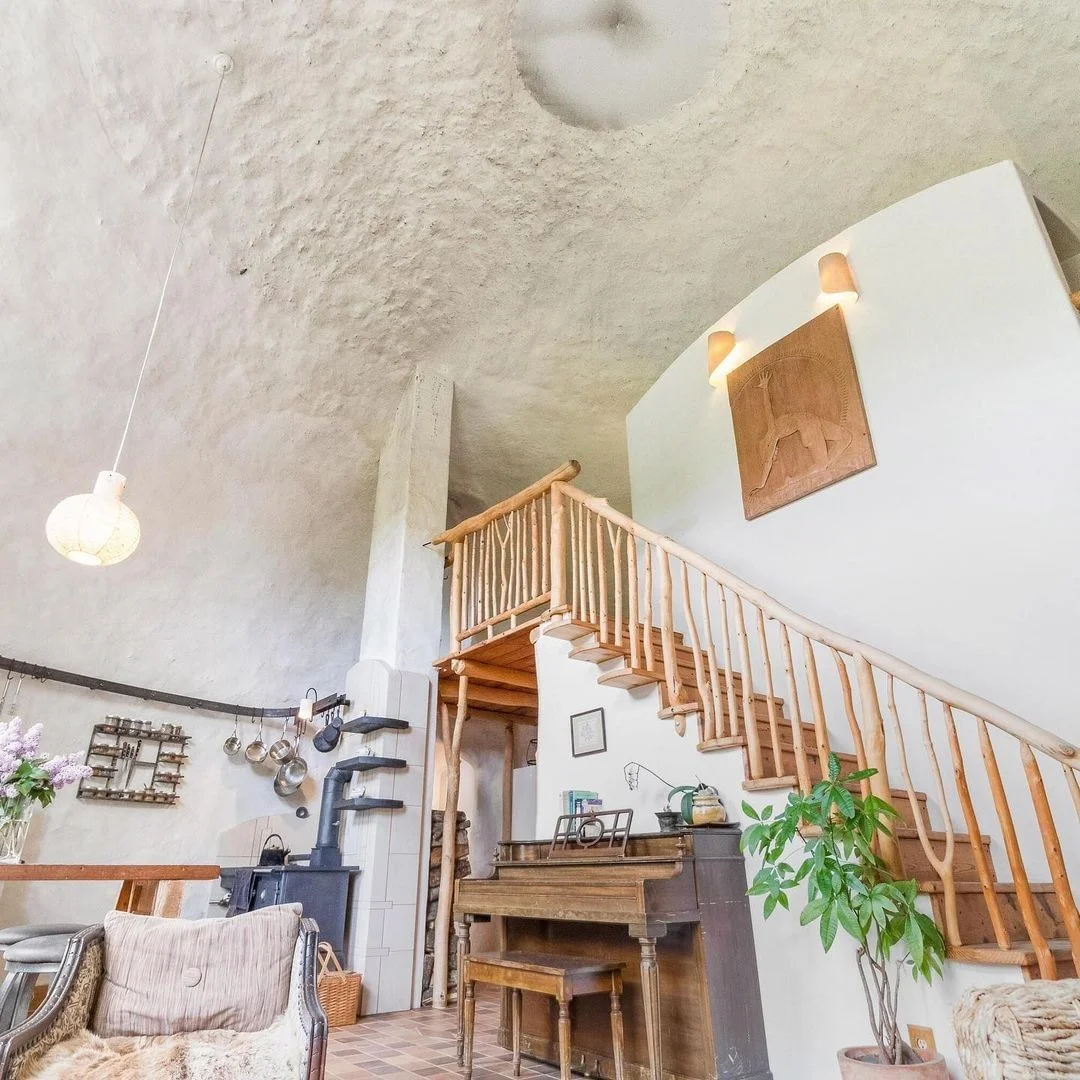
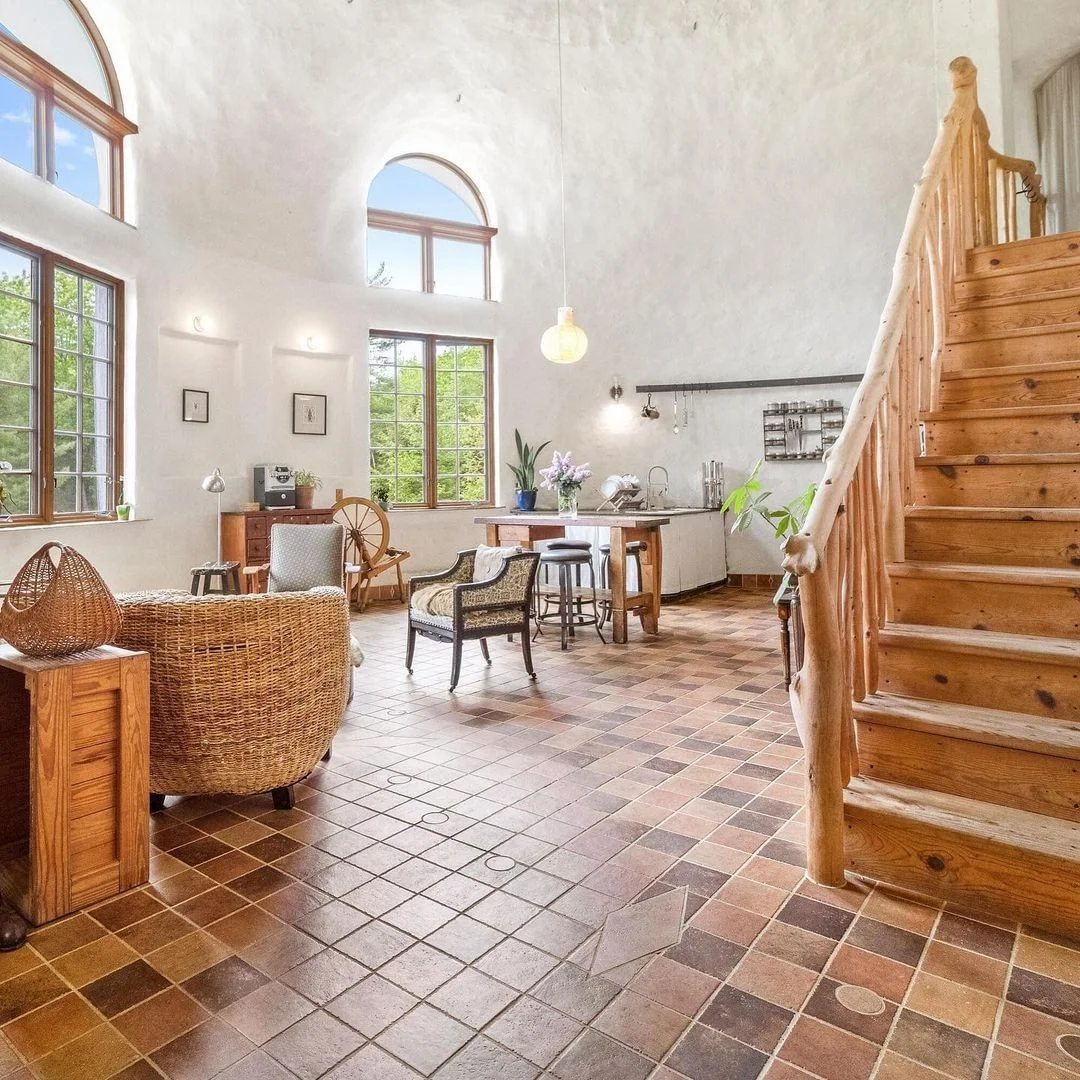
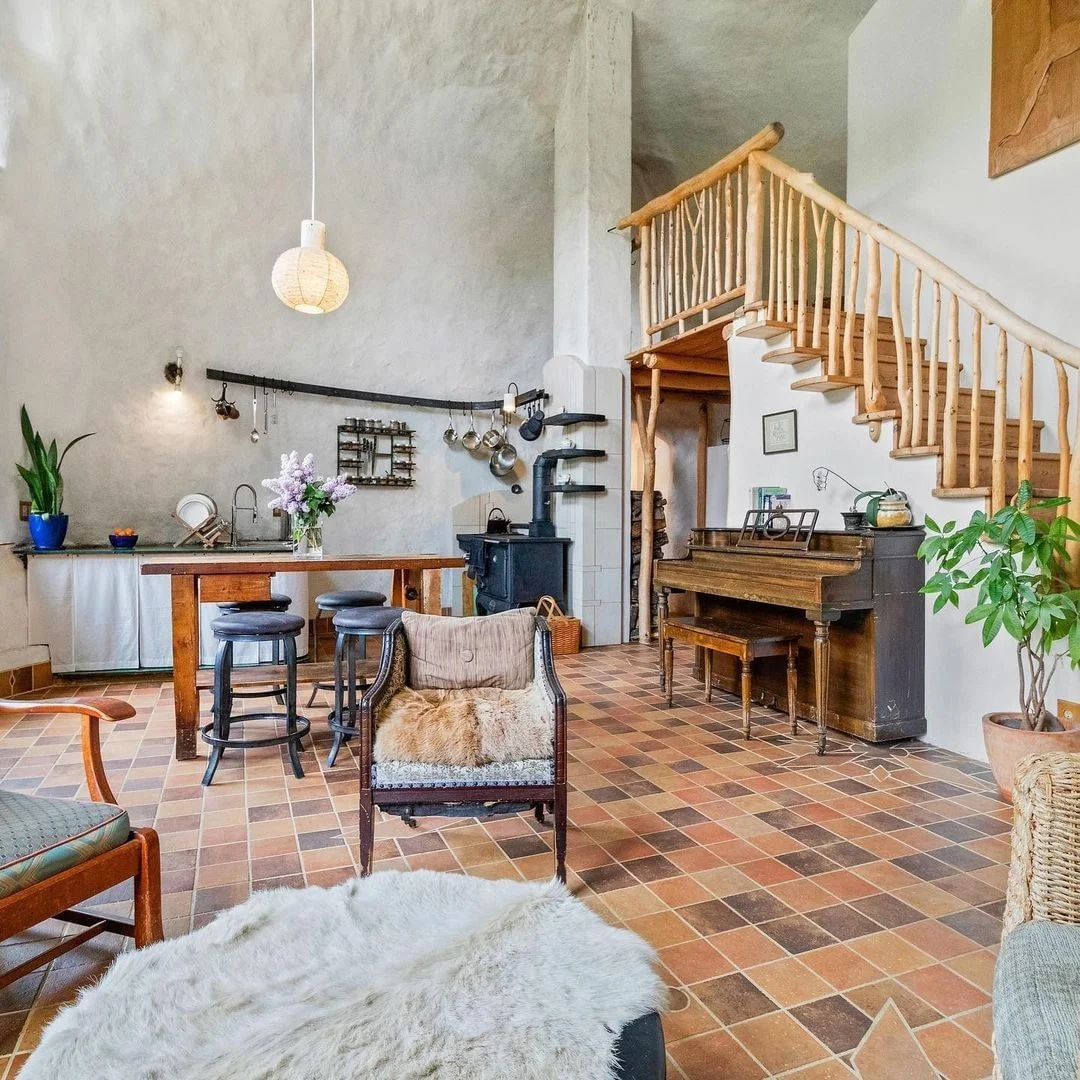
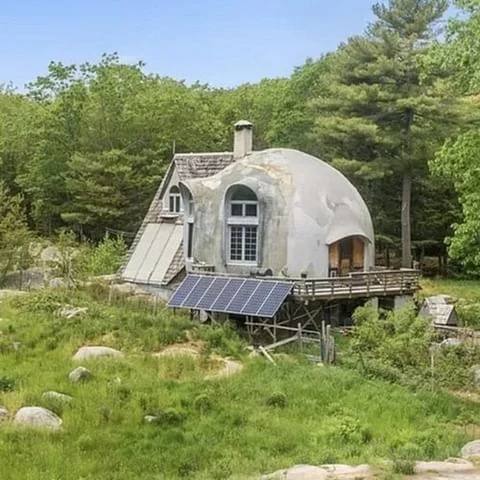
This handcrafted dome among the woods of coastal Maine, has been home to an artist since 2003. This architectural craft was hand-built by sculptor Daphne Pulsifer and her partner Daniel Bates and it hybridizes the typical New England cottage with an earthen monolith, celebrating pastoral tradition in a contemporary manner.

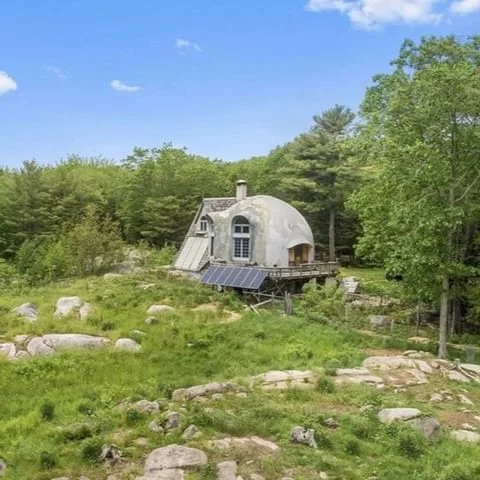
In addition to being a literal art work, a sculpture, this home has an exemplary energetic performance, giving it the ability of working off-grid. Once the house began to take shape, the sculptors asked for consultation from the Monolithic Dome Institute and achieved this construction that can work off-grid. Despite its traditional looks, modern technologies such as photovoltaic panels and a gas water heater, allows the occupants to take one step forward towards a more sustainable way of living.

This eco-haven is an idyllic place for a serene retreat. The 43 acres of forest are filled with vegetation and wildlife, such as birds and deer. The interiors count with high ceilings and large openings to the outside that keep the home connected to the site’s privileged heritage. The timber visible structure that prompts warmth inside was built from on-site trees, integrating the dome a more to its environment.


You may also like

""

Energy Campus Leeuwarden

This environmentally sustainable and circular office is more than just a building. It is a meeting place and platform for renovation and innovation in today’s energy issues. The Energy Knowledge Center is located on a former landfill site, in the middle of the new Energy Campus Leeuwarden. This building is part of the campus and works as a knowledge center for development and innovation in the sustainable energy field. One of the conceptual pillars of this project was circularity. The construction is placed on 108 individually adjustable columns.

Read More »

LCA Series: The Fundamentals

Constructing and using buildings significantly impacts the environment and human health. Life Cycle Assessment (LCA) is an evolving science that helps us understand and quantify these impacts throughout a building’s lifecycle. This article explores the fundamentals of LCA, explaining its stages, the types of environmental impacts it assesses, and its application in the building industry. What is Life Cycle Assessment? LCA is a method used to evaluate the environmental impacts of a building over its entire life cycle. This process includes the following stages: In LCA terminology, the

Read More »
""

Portland Cement: the Scapegoat for Construction Excesses

Ordinary Portland cement is available worldwide and has become the most widely used material in construction. Engineers have been educated in its use not only for civil engineering but also for building and construction, and guidance for its use is widely available. During the past years, with society’s developing conscience on sustainability, lots of fingers have been pointed towards Portland cement because of its tremendous environmental footprint. Despite this, one must admit that the popularity of this material is one that has been well earned because of many

Read More »

Leave a Comment

Your email address will not be published. Required fields are marked *

Scroll to Top