A Sculpted, Off-Grid Home in Coastal Maine

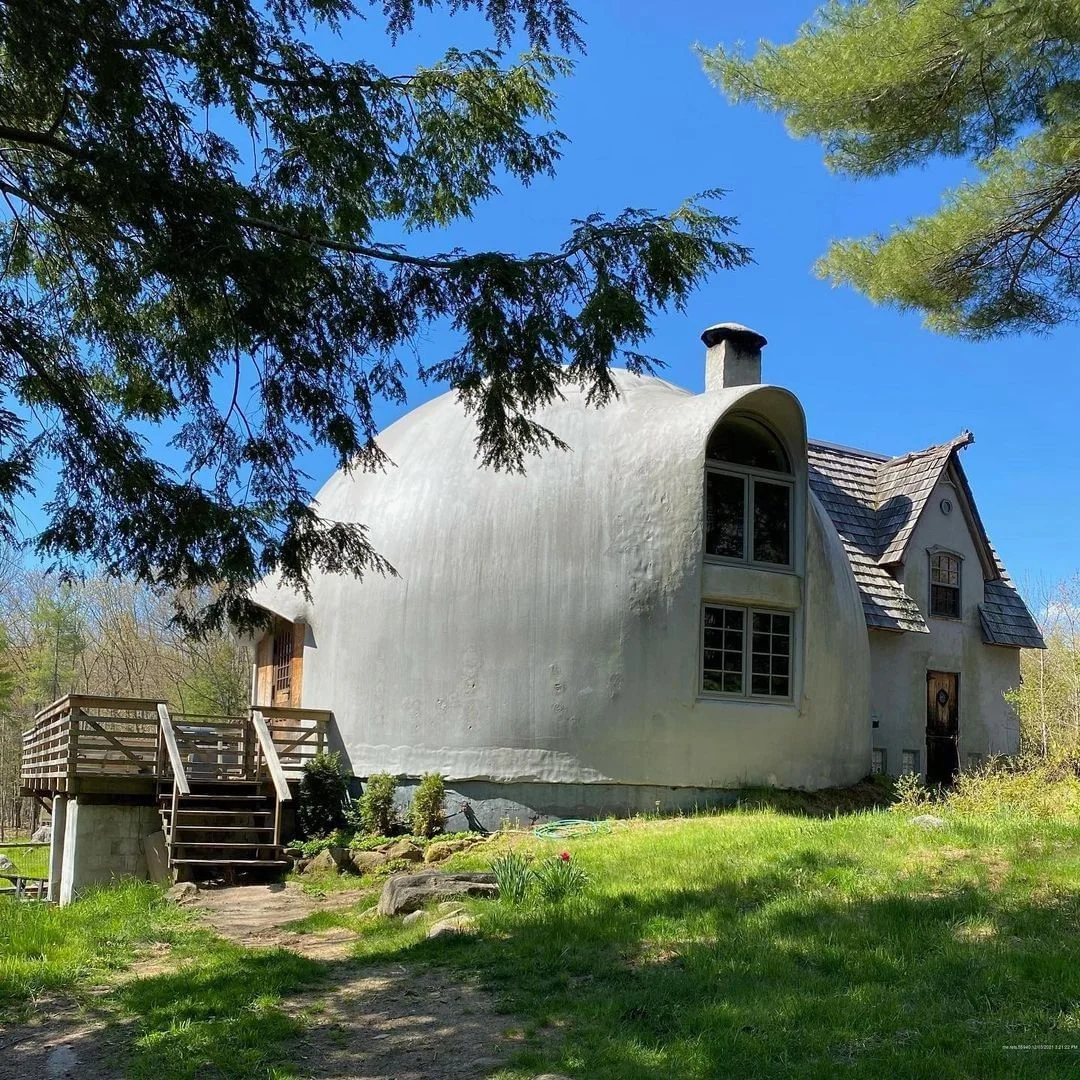
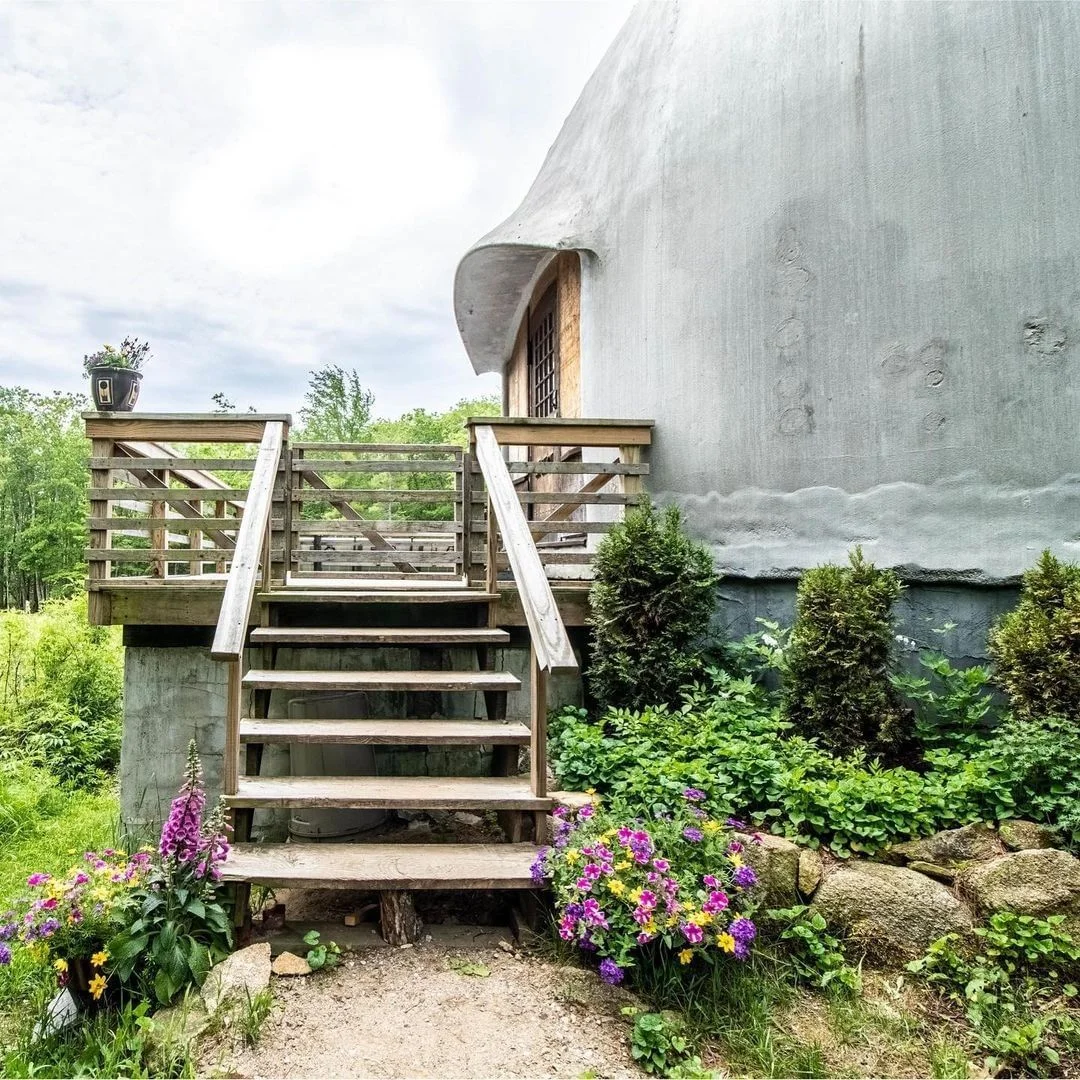
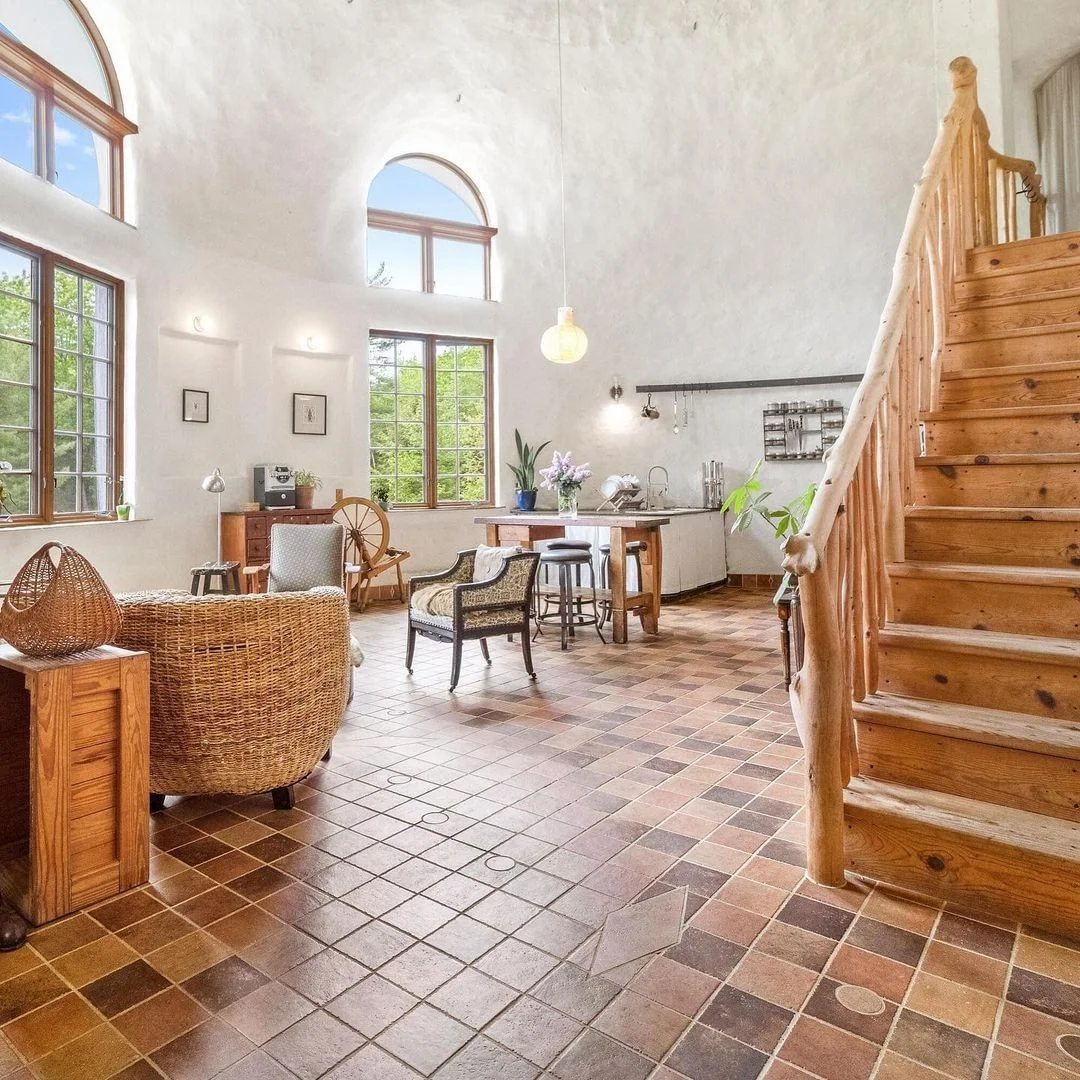
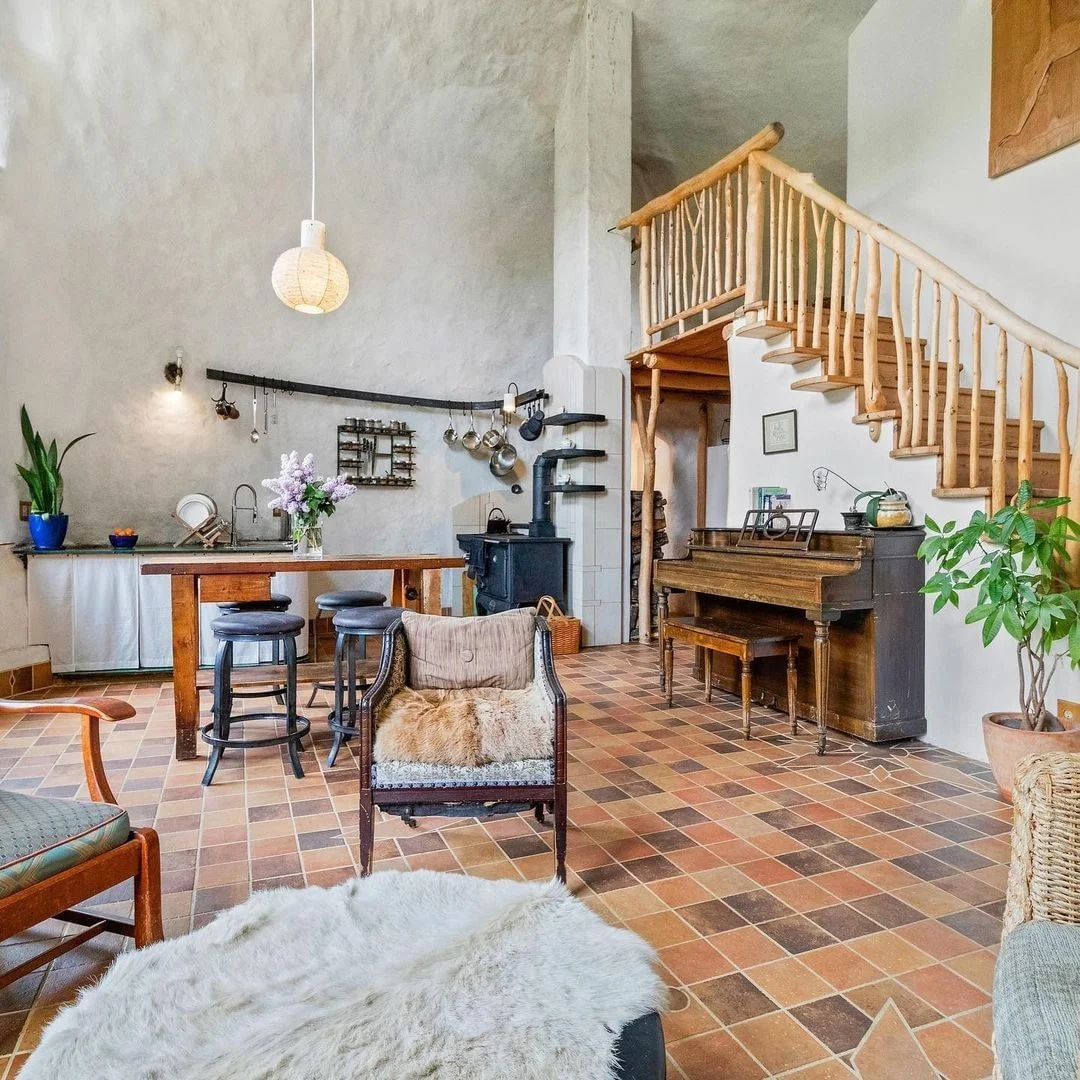
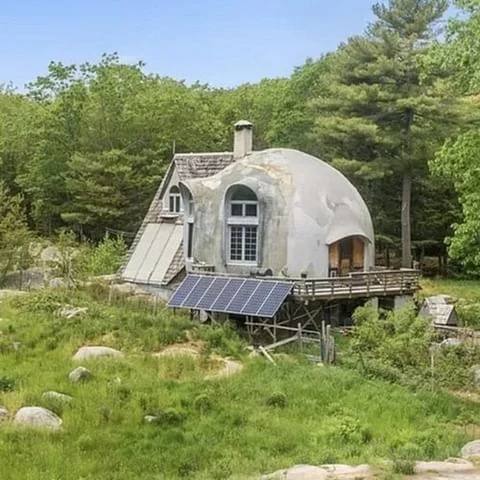
This handcrafted dome among the woods of coastal Maine, has been home to an artist since 2003. This architectural craft was hand-built by sculptor Daphne Pulsifer and her partner Daniel Bates and it hybridizes the typical New England cottage with an earthen monolith, celebrating pastoral tradition in a contemporary manner.

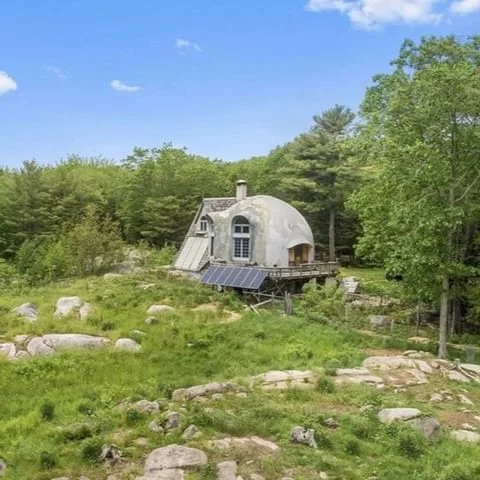
In addition to being a literal art work, a sculpture, this home has an exemplary energetic performance, giving it the ability of working off-grid. Once the house began to take shape, the sculptors asked for consultation from the Monolithic Dome Institute and achieved this construction that can work off-grid. Despite its traditional looks, modern technologies such as photovoltaic panels and a gas water heater, allows the occupants to take one step forward towards a more sustainable way of living.

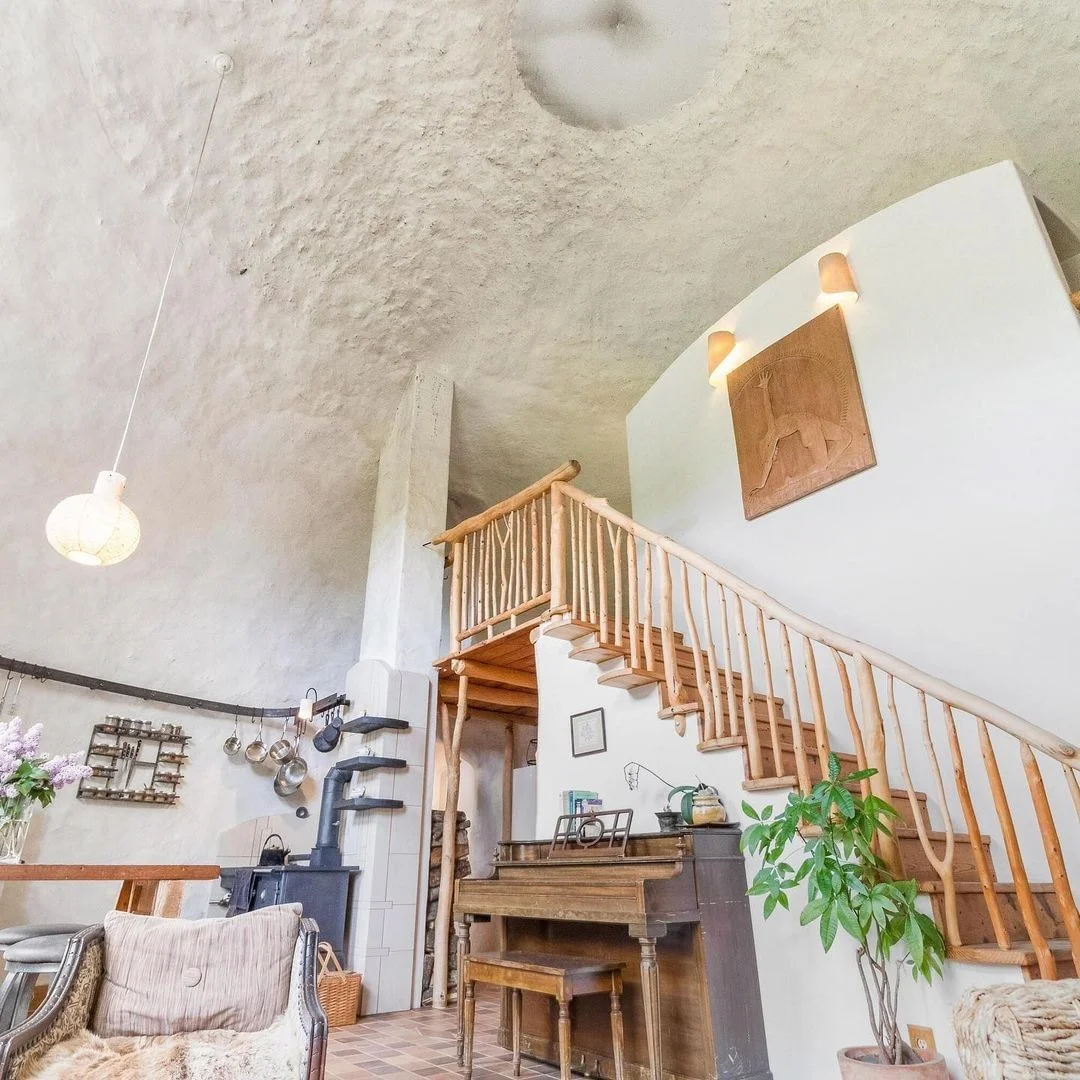
This eco-haven is an idyllic place for a serene retreat. The 43 acres of forest are filled with vegetation and wildlife, such as birds and deer. The interiors count with high ceilings and large openings to the outside that keep the home connected to the site’s privileged heritage. The timber visible structure that prompts warmth inside was built from on-site trees, integrating the dome a more to its environment.

You may also like

""

Could craftsmanship be the mother of industrialization?

In the age of super-technified materials, digital architecture and industrialized construction, what room is there for craftsmanship in a technological world? The sustainability trend – or should I call it inherent professional responsibility – of the global building stock advocates for buildings that are more connected to their context and that contribute to environmental, social and economic well-being (AKA complying with the 3Ps). Vernacular techniques and local materials have gained relevance along the path to meet this goal, but is it really feasible to apply these concepts to

Read More »
""

Springing Up Like Mushrooms

he biggest innovations don’t always call for fancy technologic developments, sometimes the solutions we’re looking for can be closer to us than we realize. I’m talking about funghi and its recent appearance as a construction biomaterial. Mycelium are the thin root-like fibers from fungi which run underneath the ground. Combined with a substrate made from agricultural waste, these roots grow into it binding the whole mixture together and allowing us to shape it in any way we like. Although it is still in a very early stage as

Read More »

Leave a Comment

Your email address will not be published. Required fields are marked *

Scroll to Top