A Sculpted, Off-Grid Home in Coastal Maine

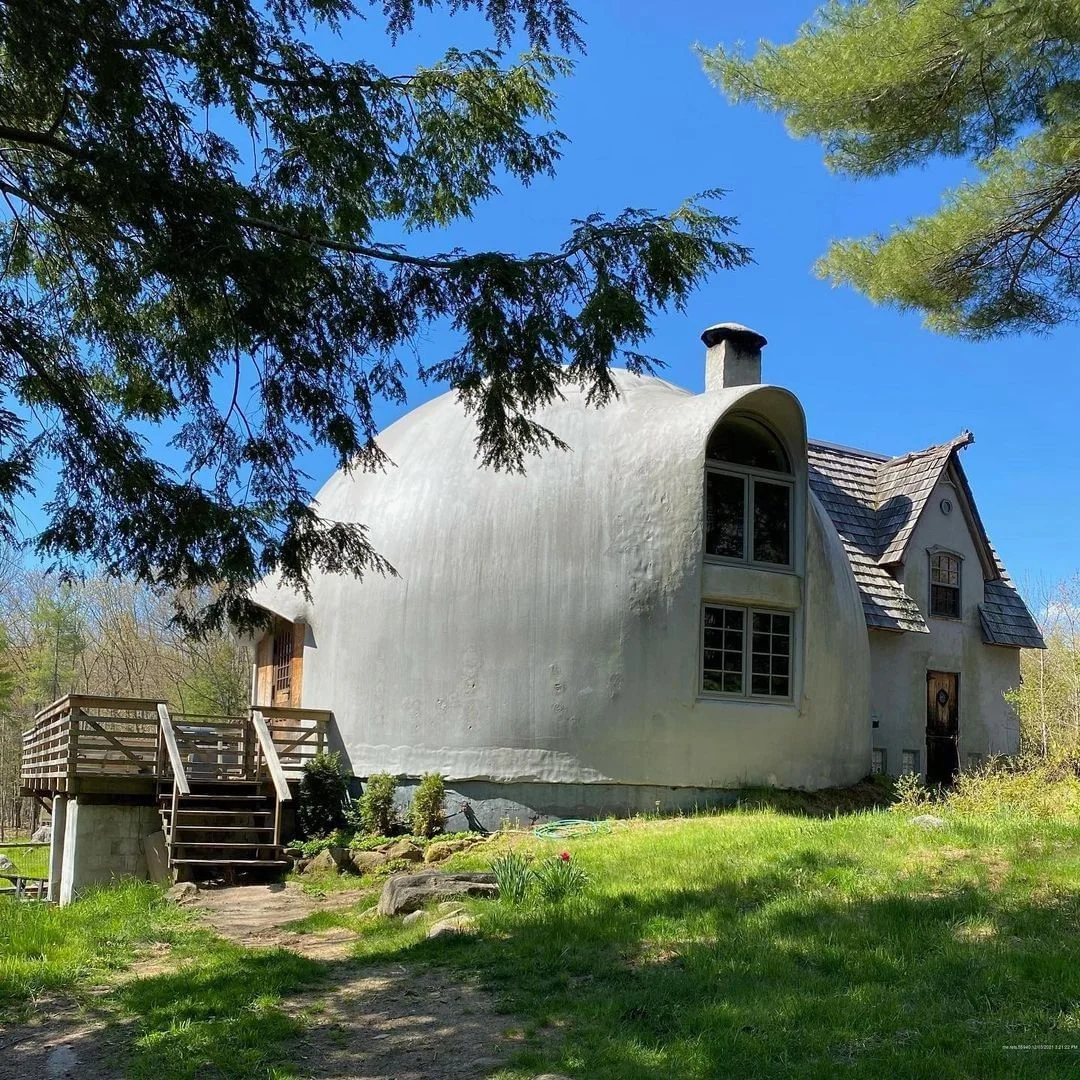
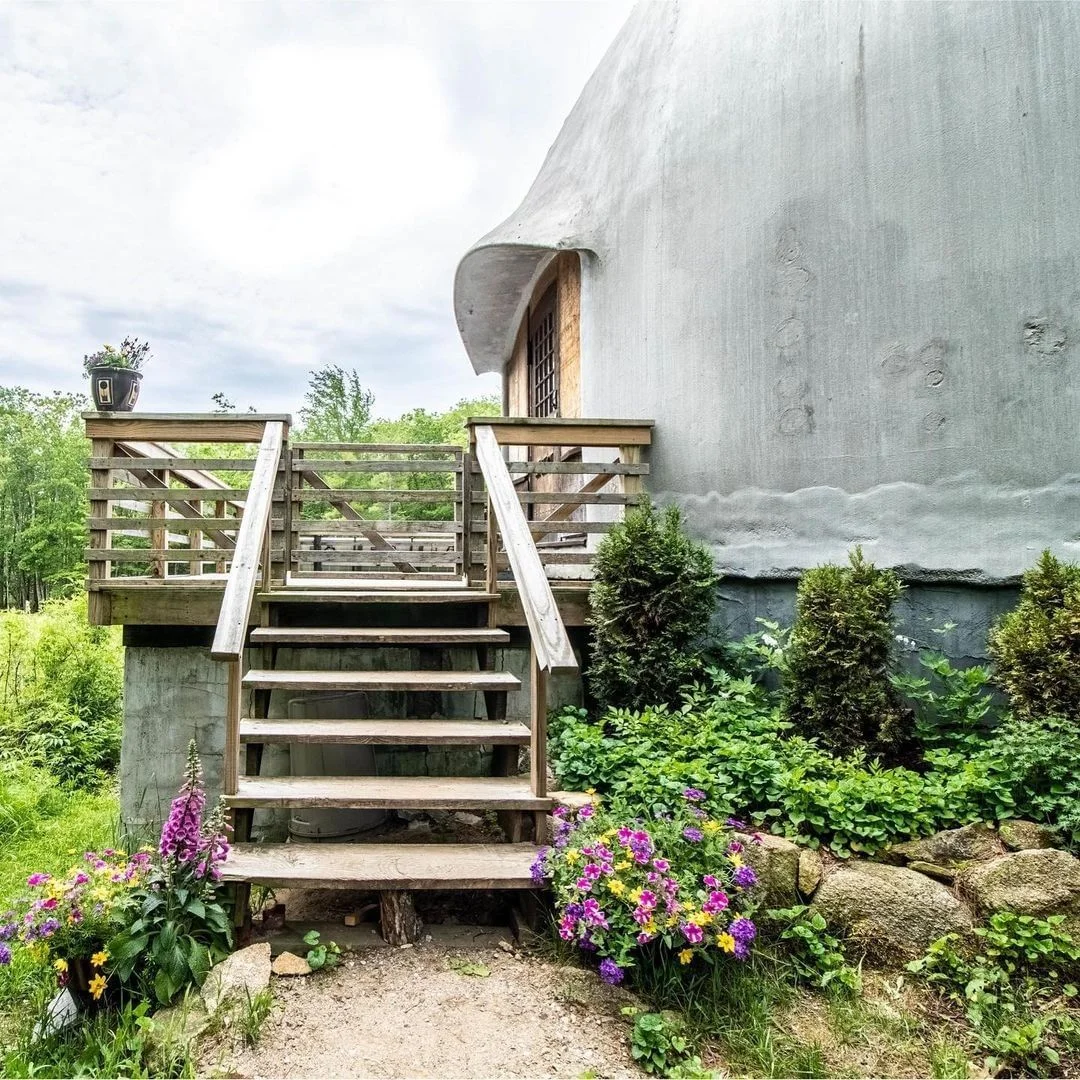
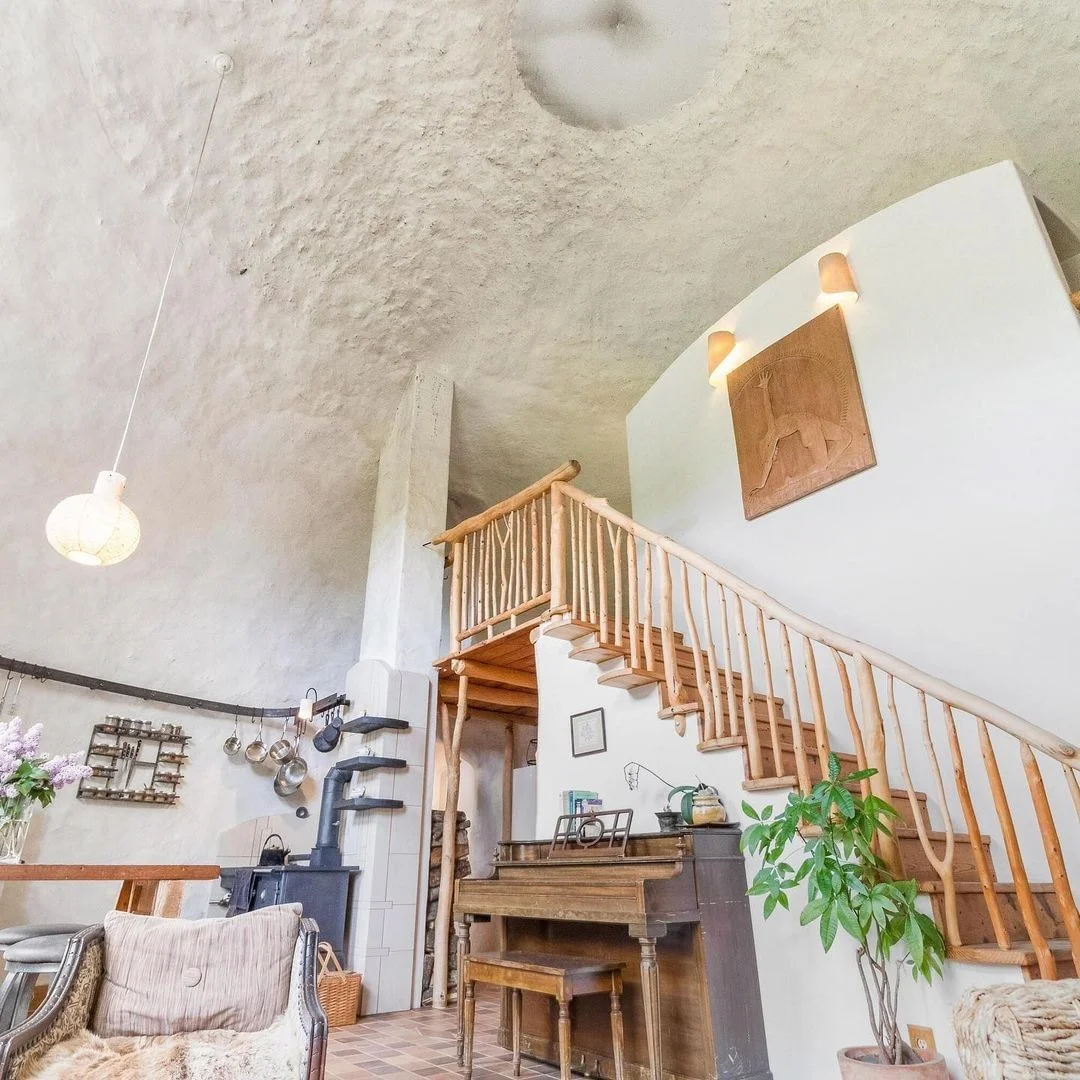
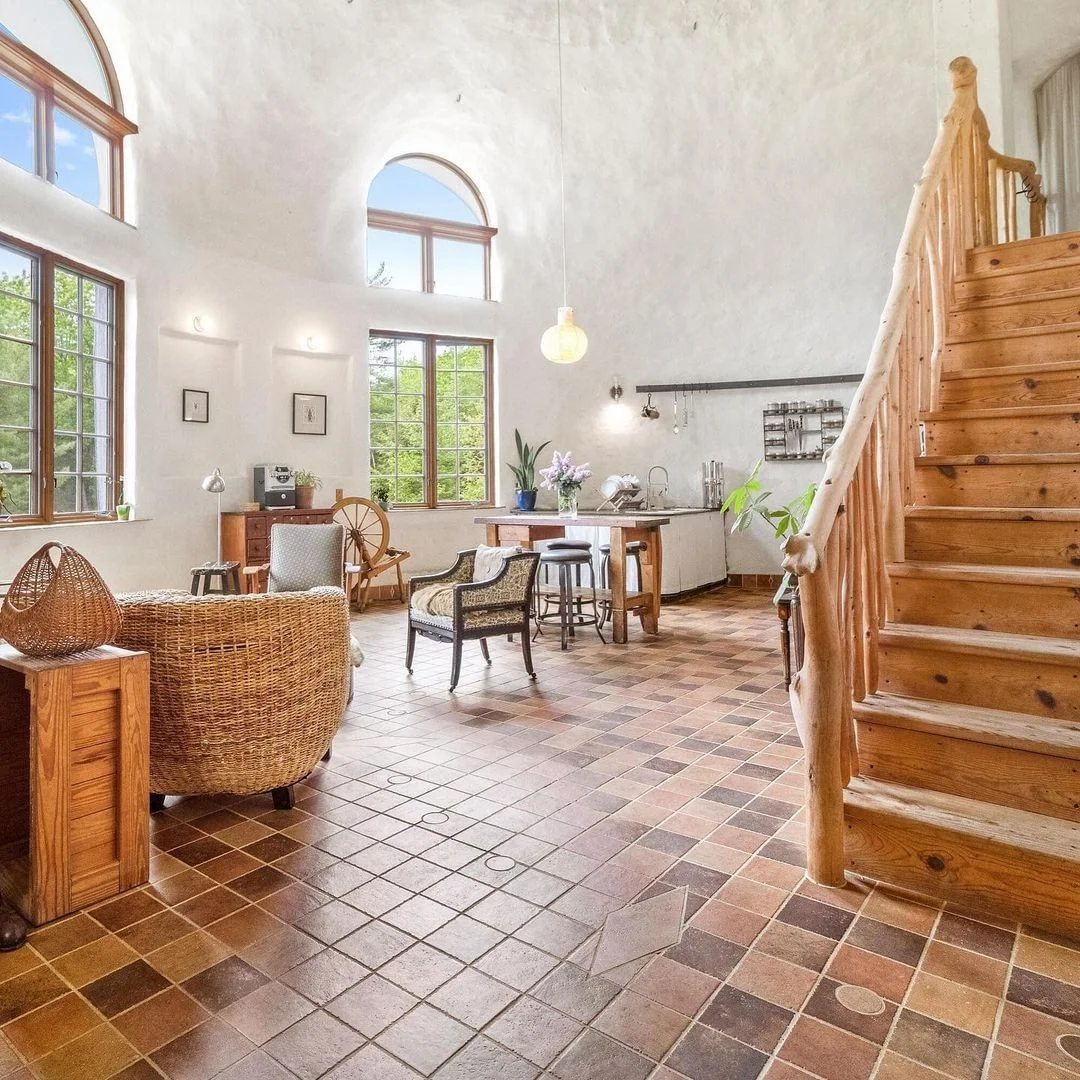
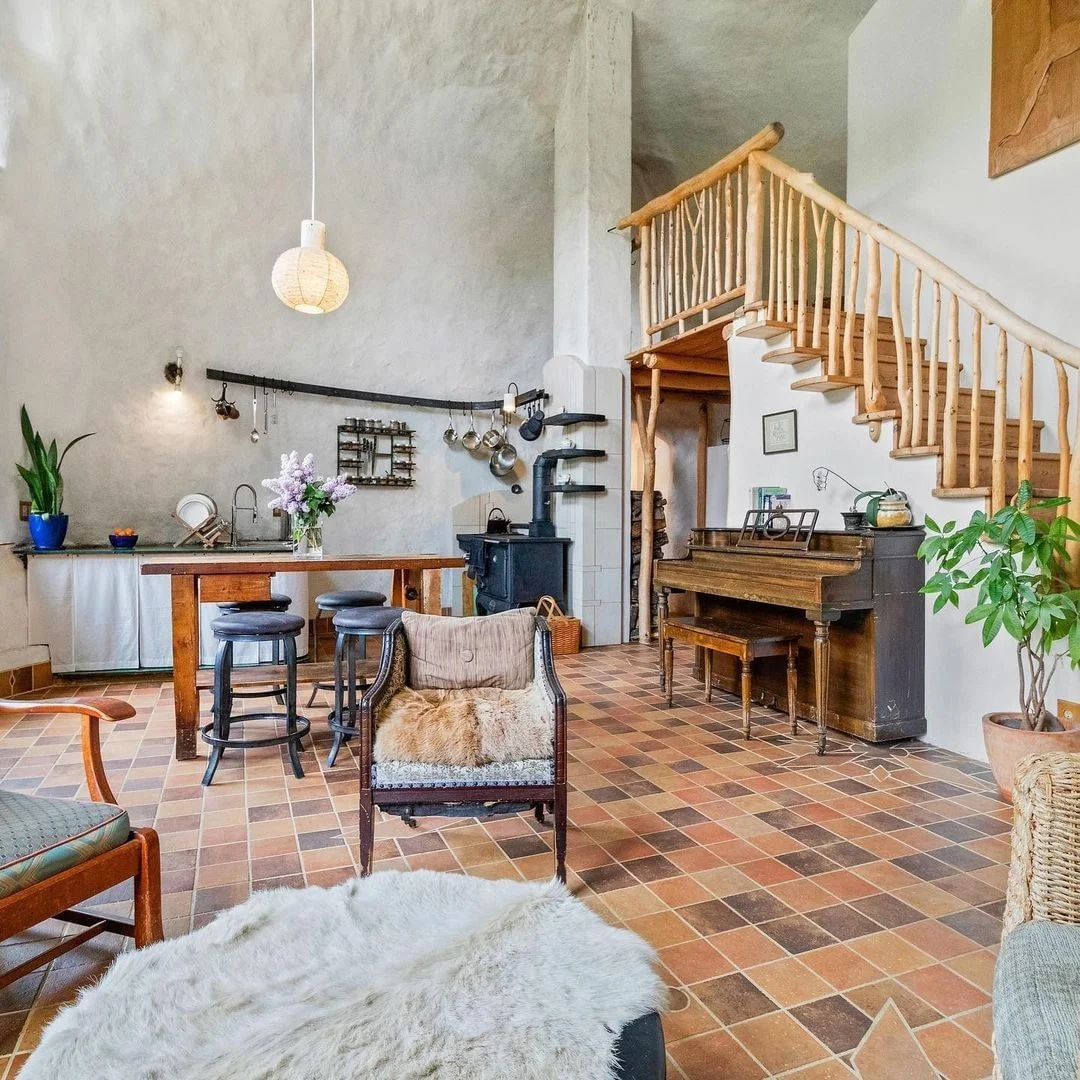
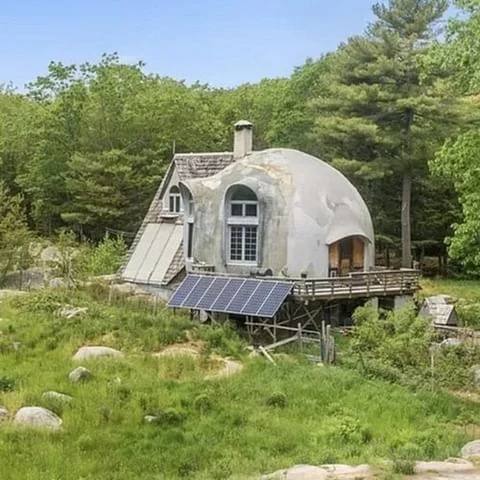
This handcrafted dome among the woods of coastal Maine, has been home to an artist since 2003. This architectural craft was hand-built by sculptor Daphne Pulsifer and her partner Daniel Bates and it hybridizes the typical New England cottage with an earthen monolith, celebrating pastoral tradition in a contemporary manner.

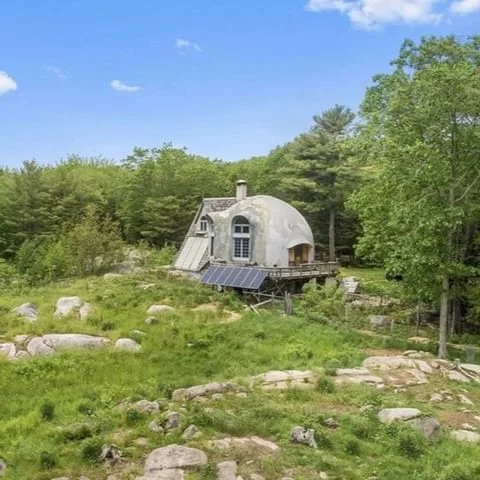
In addition to being a literal art work, a sculpture, this home has an exemplary energetic performance, giving it the ability of working off-grid. Once the house began to take shape, the sculptors asked for consultation from the Monolithic Dome Institute and achieved this construction that can work off-grid. Despite its traditional looks, modern technologies such as photovoltaic panels and a gas water heater, allows the occupants to take one step forward towards a more sustainable way of living.

This eco-haven is an idyllic place for a serene retreat. The 43 acres of forest are filled with vegetation and wildlife, such as birds and deer. The interiors count with high ceilings and large openings to the outside that keep the home connected to the site’s privileged heritage. The timber visible structure that prompts warmth inside was built from on-site trees, integrating the dome a more to its environment.

You may also like

""

Portland Cement: the Scapegoat for Construction Excesses

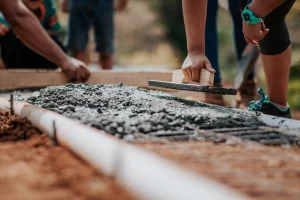
Ordinary Portland cement is available worldwide and has become the most widely used material in construction. Engineers have been educated in its use not only for civil engineering but also for building and construction, and guidance for its use is widely available. During the past years, with society’s developing conscience on sustainability, lots of fingers have been pointed towards Portland cement because of its tremendous environmental footprint. Despite this, one must admit that the popularity of this material is one that has been well earned because of many

Read More »
""

A Living Urban Stock

When thinking of becoming more sustainable, a few recurrent concepts pop into our heads like ecological impact or CO2 footprint. I suggest the reader to go one step further. What if instead of minimizing our impact on nature we tried to blend into it? Biology is the world’s greatest technology and that’s what it makes it such a resourceful inspiration for scientific researchers. What if I told you we could substitute lamps with bioluminescent plants, or build houses with self-growing and eadible walls? This is no Hansel and Gretel story;

Read More »

Biophilic vs Green – What’s Different?

In recent years, there’s been a significant push towards creating built environments that respect and integrate with the natural world. Two prominent approaches within this movement are Biophilic Design and Green Design. While they both share a commitment to nature, they differ in their core focuses and approaches. Green Design, also known as eco-design, prioritizes sustainability. It aims to minimize the environmental impact of buildings and infrastructure by using renewable resources, improving energy efficiency, reducing waste, and avoiding pollution. The movement has made substantial strides, making technologies like

Read More »

Leave a Comment

Your email address will not be published. Required fields are marked *

Scroll to Top