We can all agree that the first step towards a healthy diet is choosing quality ingredients but what about kitchen utensils? Even if you make the effort to buy your groceries in specialized organic shops, you’ll be throwing most of that effort away if you’re cooking in a teflon pan or a casserole that may release lead.
The same way we’re careful with the materials that enter our home so that indoor air stays nice and clean, we should also watch out for the composition of the kitchen containers and utensils, which will be in such intimate contact with our food, to ensure toxics aren’t transferred from one place to another. This article is meant to serve as a cheat sheet to choose the ideal material repertoire for your kitchen, starting with the friendliest and advancing towards those you’ll want to replace more urgently.
Glass
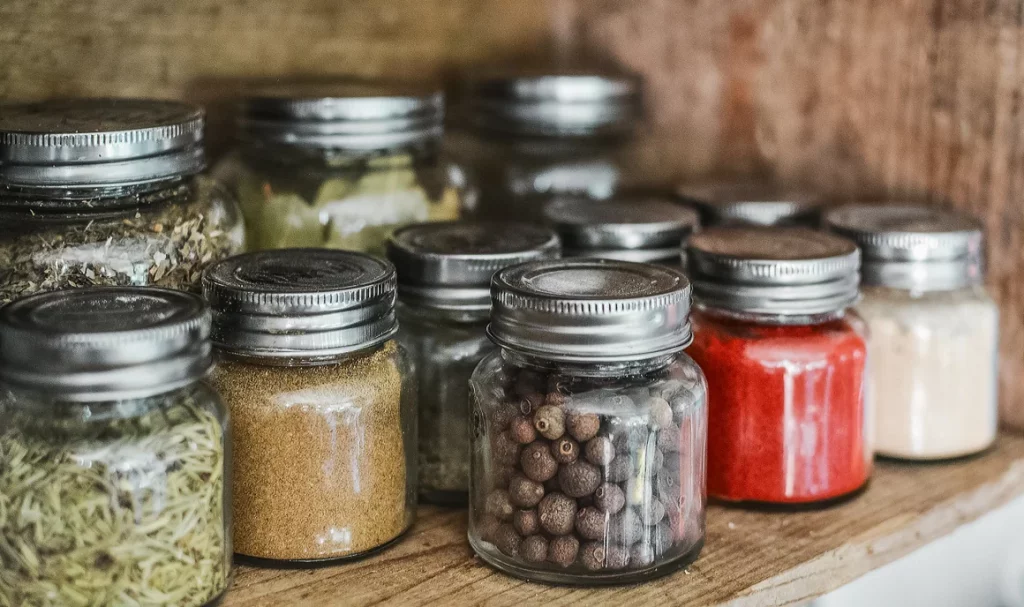
Glass is probably the healthiest option for food and beverage containers. It’s mainly composed by silica and lime, and in the case of fine glassware it can sometimes contain lead. Despite this, the crystallization process that takes place when manufactured gives it an outstanding chemical stability keeps molecules from interacting with the food.
Ceramics
Ceramics are also well-known innocuous materials. They are prepared to endure notably high temperatures and are tremendously stable, therefore even when used for cooking you can be sure that the recipient won’t interact with the food. When shopping for utensils, these can either be fully made from ceramic or only finished with a ceramic coating; both options will do the trick. The only thing you’ll want to watch out for is chipping, which is why you’ll want to lean towards higher quality products.
For those interested in traditional earthenware utensils, such as traditional casseroles, you should know they typically contain lead in the varnishes and finishes. If you’re buying a product of that sort, choose those that certify they’re lead-free. An interesting option to look into is ceramic cookware models, which take advantage of ceramic’s high temperature conductivity, and allows to cook using less energy. You can also find frying pans with ceramic coating or nanocomposites, which are an ecological option for anti-adherent cookware (great alternative to teflon). One of these ceramic composites is Thermalon, and it can be found in utensils of the brand GreenPan.
Wood and bamboo

As healthy as wood and bamboo are, both for our own and the planet’s health, they are great options for bowls, trays, cutting boards, spatulas or cutlery. They incorporate no odors or flavors, and help keep pans in good condition. As these materials don’t scratch the utensils while cooking, they prevent materials from migrating to the food. The only thing to watch out for with wood or bamboo utensils is to ensure good washing to prevent the appearance of microorganisms.
Titanium
Titanium stands out for being anti-adherent, very stable at high temperatures, resistant, light and non-allergenic (as opposed to nickel, for example). High-density aluminum pans with titanium finishes are an excellent option for cooking, although you’ll want to watch out for chipping.
Cast Iron

This metal has been used sin ancient times and is usually not coated with any other anti-adherent substances. It isn’t a very stable material, especially when cooking acidic foods like soups or sauces, but in the case of cast iron, this isn’t problematic. If any iron molecules are to be transferred to the food, it can help prevent iron deficiency anemias -with exception to people who may be sensible to this metal, of course-. For those who have cast iron utensils, it is recommended to wipe them with oil after washing to prevent rust.
Steatite
Although this material has been widely used in countries like Brazil, it might be pretty unknown to many of the readers. Steatite is a natural anti-adherent, non-toxic, good thermal conductor and doesn’t add odors or flavors. Just in case you find kitchen utensils with steatite coatings, know that it is a safe option.
Stainless steel
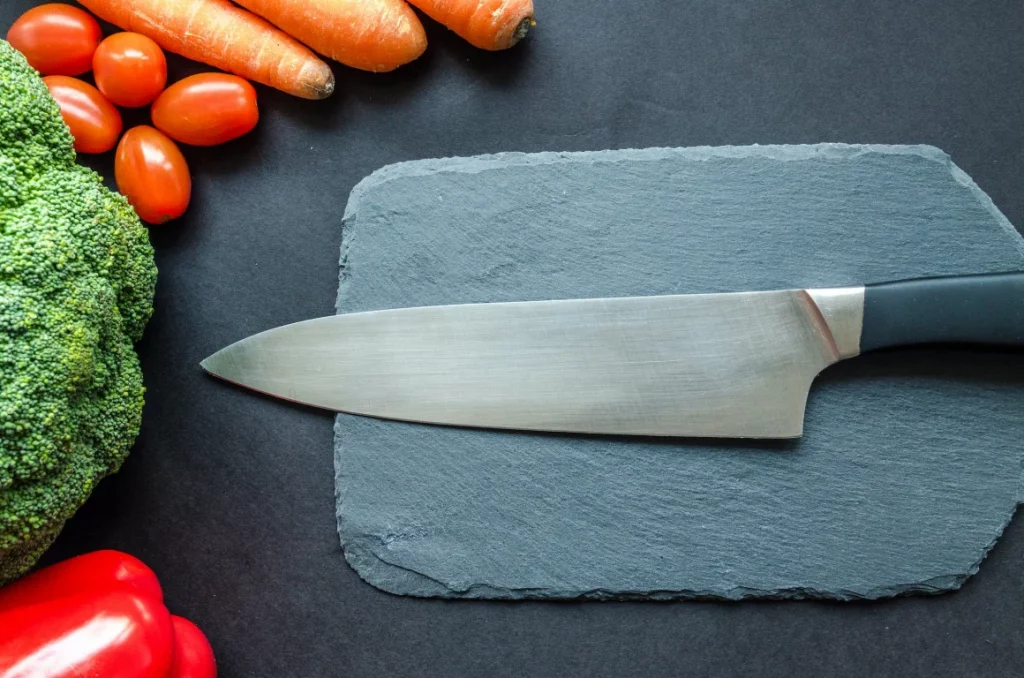
Metal alloys, such as stainless steel, may contain other heavy metals -such as nickel, cadmium or chromium- that can end up in our food. In fact, cookware labeled as “18/10 steel” indicates it contains 18% nickel and 10% chromium. If you want to have steel utensils in your kitchen, some healthier alternatives can be surgical steel (T-304), which is non-porous, non-toxic and stable, or Japanese steel, which is light, resistant, stable, and chromium and nickel-free.
Aluminum
Aluminum is an unstable material, that’s why food containers, utensils or even foil can allow for some molecules to pass into the food, especially if it’s of acidic nature. Studies link this metal to neuronal problems, which is why countries such as France, Germany, Belgium, Great Britain and Brazil have banned its use in cooking utensils. An alternative is to use anodized aluminum, as its manufacturing process leaves it “sealed” and ready to be used around food.
Copper
Copper utensils can only be used for cooking if coated with stainless steel, otherwise they can be highly toxic. Because of its high thermal conductivity, copper is typically used in the bases of cooking pots but direct contact with food should be avoided, especially that of acidic nature. Although it’s usually not a problem in low concentrations, it can cause poisoning in certain cases.
Teflon
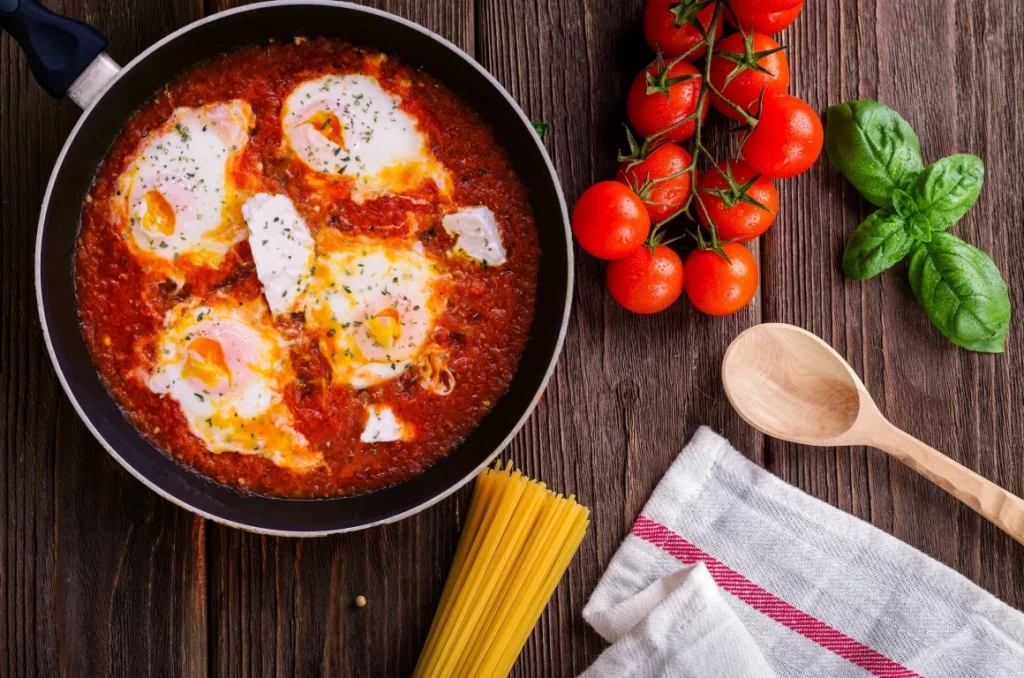
Teflon has become a widely spread kitchen material because of its practical anti-adherent properties. However, there should be no place for this material in a healthy kitchen. Teflon contains a well-known toxic substance (PFOA) that, in addition to being highly pollutant, it bioaccumulates in our body and acts as an endocrine disruptor. It has been tested to be harmful for animals -lethal in some cases- and it is associated with some serious health problems such as immune disorders or kidney disfunction. At only 160ºC (320ºF) some of the chemicals in Teflon can volatilize and pass into the food or the air, so its definitely not a safe enough material to have in our kitchens.
Silicone
Silicone has started to spread into our kitchens only recently. It’s a light, flexible, non-adherent material with high resistance to both high (200ºC/390ºF) and low (-50ºC/-60ºF) temperatures. It transmits heat uniformly and also facilitates demolding, which is why it is commonly used for baking. Molecules in silicone (polysiloxanes) have a low capacity to migrate into the food, which is why it was considered a stable enough material to be uses in the kitchen. However, recent studies have demonstrated that silicone doesn’t behave the same way with all foods. In the presence of fatty foods -such as pizza or meat- and high temperatures, molecules do show a higher tendency to migrate. On the other hand, it remains pretty stable in the presence of liquids or acidic food. Another fact to point out is that silicone molds that emanate a rancid smell, usually because they’ve been out of use for some time, is due to oxidized fat that the mold has absorbed during use. In these cases, it is recommendable to throw the utensil out. Although silicone seems to be safe to use with cold food or pastry (even when heated), it is still recommendable to switch to glass molds when possible.
Plastic
This is probably the most abundant material in your kitchen: food packaging, containers, tin cans, trays, containers, cups, plastic wrap, cups, bottles and a really long etcetera. Beyond the great environmental impact plastic has, they can also interfere in our wellbeing. While there are no innocuous plastics, truth is not all plastics are equally toxic. As shown in the next picture, all plastic containers come labeled with the Möbius loop.

The number in the middle gives us information about the type of plastic we’re dealing with. The only plastic recommended by the WHO (World Health Organisation) is polypropylene, identified with the number 5 (abbreviated as PP), which together with 4 (LDPE) is considered to be the least problematic for health. As for the meaning of the rest of numbers:
- 1 – PET or PETE. These should never be reused, as they can contain different levels of phthalates and antimony.
- 2 – HDPE. These release benzophenones, which are potential hormonal pollutants.
- 3 – PVC. Because it’s a relatively unstable form of plastic, it can release a considerable amount of phthalates to our food.
- 6 – PS. These are known for releasing endocrine disruptors.
- 7 – Other. The last typology is a sort of “disaster drawer” where all the rest of plastics are dumped. In this category you’ll find some like Bisphenol A (BPA), which is forbidden for certain uses because of its high toxicity.
You’ll also want to avoid heating up plastic containers and using them to contain oily and fatty food, since most plastics are fat-soluble and heat could help transfer some of the molecules into the oils and fats. Also avoid storing beverages in plastic bottles if they’re going to be exposed to the sun or higher room temperatures because that will favor the transference of toxics into the liquid. Although you probably won’t be able to get rid of all the plastic in your kitchen, my overall recommendation is to minimize it and stick to typology 5.
As you can see, you have quite a few healthy options to choose from to healthen up your kitchen, which makes it quite easy to take action. I know this article might have been a little dense so I won’t extend myself much further. I’ll just point out that once again, all of the mentioned measure to take care of our health, inextricably also take care of the planet’s health.